What Are Sexually Transmitted Diseases (STDs)? Causes, Symptoms, and Prevention
Sexually transmitted diseases (STDs) are among the most significant public health challenges due to their rapid spread and their potential impact on fertility and overall health. However, with increased health awareness, sexually transmitted infections have become more detectable and treatable—especially when safe practices are followed and regular testing is performed.
Prevention and education remain the cornerstone of maintaining sexual health and avoiding long-term complications. In this article, we explain what sexually transmitted diseases are, their causes, symptoms, and the most effective methods of prevention and screening.
What Are Sexually Transmitted Diseases?
Sexually transmitted diseases are infections that spread from one person to another through direct sexual contact, such as vaginal, anal, or oral intercourse.
Some STDs can also be transmitted through blood exposure or contaminated instruments, such as non-sterile needles. In certain cases, infections may be transmitted from an infected mother to her baby during childbirth.
STDs are caused by a variety of pathogens, including viruses, bacteria, and parasites. If not detected and treated early, these infections can lead to serious health complications.
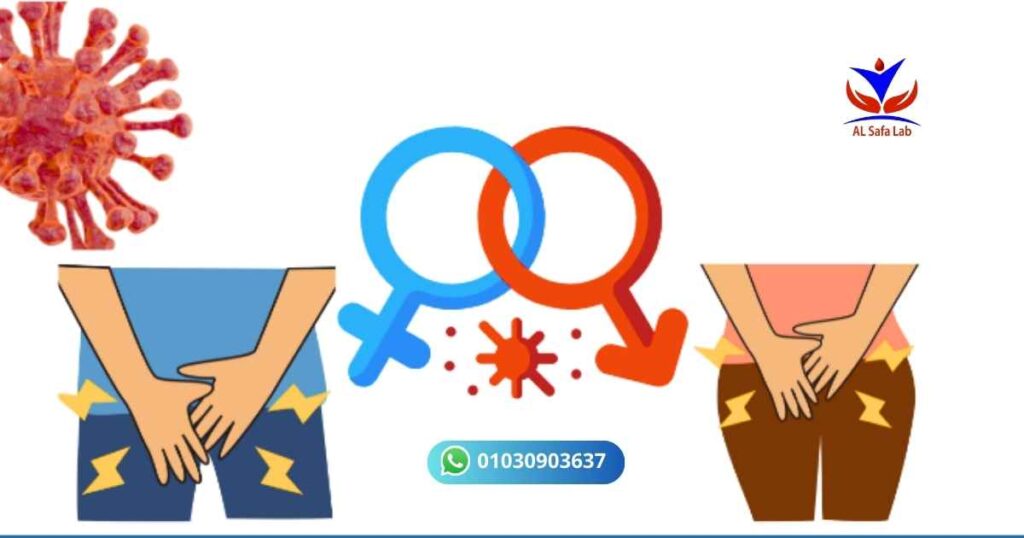
Common Sexually Transmitted Diseases
The most common sexually transmitted diseases include:
- Human Immunodeficiency Virus (HIV/AIDS)
- Syphilis
- Gonorrhea
- Chlamydia
- Human Papillomavirus (HPV)
- Genital Herpes (Herpes Simplex Virus)
- Trichomoniasis
- Hepatitis B and C
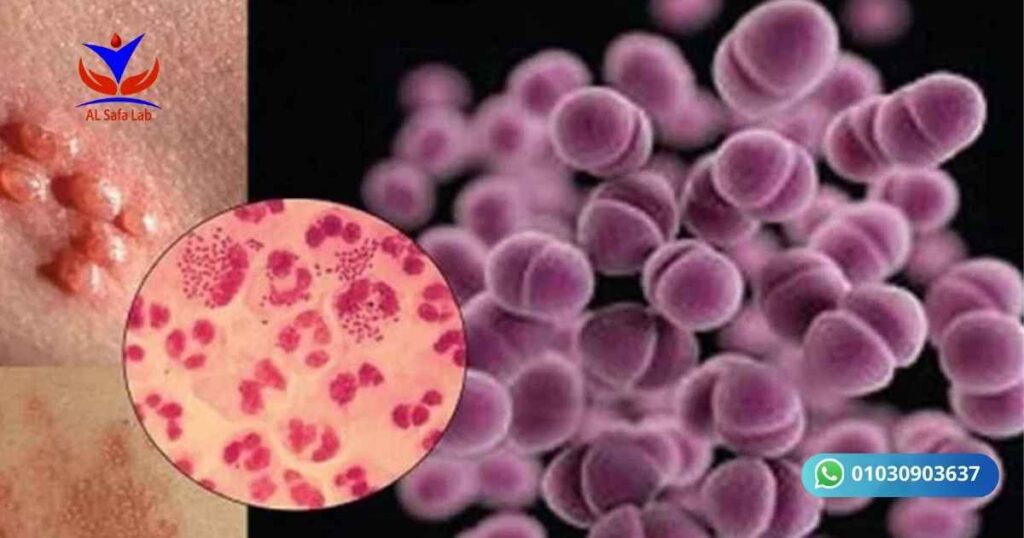
Causes of Sexually Transmitted Diseases (STDs)
Sexually transmitted diseases can occur due to several risk factors, including:
- Sexual contact with an infected partner
- Use of contaminated needles or blood transfusions from infected individuals
- Having multiple sexual partners
- Being unaware that a sexual partner is infected
- Sharing personal items such as razors or sharp tools
- Transmission from mother to child during childbirth (in some cases)
- Weakened immune system or chronic medical conditions
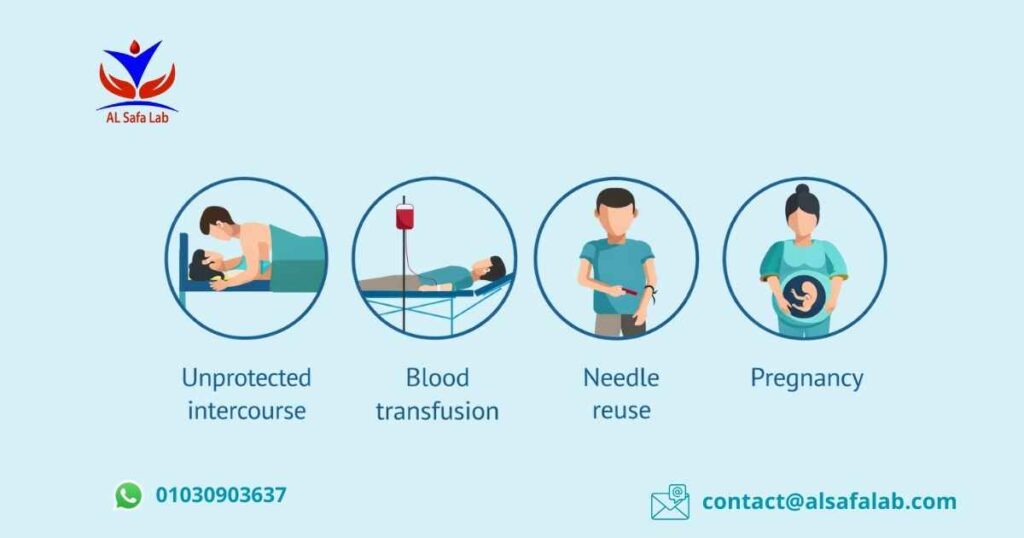
Symptoms of Sexually Transmitted Diseases
Symptoms vary depending on the type of infection and may remain unnoticed for long periods. Common symptoms include:
- Abnormal genital discharge
- Pain or burning sensation during urination
- Skin rashes, sores, or blisters around the genital area or mouth
- Pelvic or lower abdominal pain
- Abnormal vaginal bleeding (outside menstrual periods)
- Swollen lymph nodes
- General fatigue or fever
Some STDs may not present noticeable symptoms, which is why regular STD screening is essential—especially for individuals with risk factors.
Read More About: Chlamydia Trachomatis PCR Test | Accuracy, Sample & Results
How to Prevent Sexually Transmitted Diseases
Prevention is the first line of defense against STDs. The most effective preventive measures include:
- Avoiding high-risk sexual behaviors, especially when one partner is known to be infected
- Using condoms correctly and consistently during sexual activity, or consulting a specialist for guidance
- Undergoing regular health screenings, particularly before marriage or when changing sexual partners
- Open and honest communication with partners about sexual health and medical history
- Vaccination against Human Papillomavirus (HPV) for both males and females before sexual activity
- Avoiding the sharing of sharp tools or medical equipment
- Maintaining proper hygiene and avoiding contact with bodily fluids or contaminated instruments
Sexually Transmitted Disease Screening
STD screening is a crucial step for early detection and prompt treatment. Testing is recommended in the following situations:
- Presence of suspicious symptoms
- After unprotected sexual contact
- Before marriage or during pregnancy
- When there is concern that a partner may be infected
Laboratory Tests for Sexually Transmitted Diseases (STDs)
STD testing includes a range of laboratory investigations based on the suspected infection, such as:
- Blood tests: To detect HIV, syphilis, and hepatitis
- Urine tests: To diagnose chlamydia and gonorrhea
- Swab tests: Vaginal, cervical, or urethral swabs
- HPV testing: Especially recommended for women
These tests should be performed in accredited laboratories under medical supervision to ensure accuracy and reliability.
👉 View Health Checkup Packages
Who Is at Higher Risk of Sexually Transmitted Diseases (STDs)?
The groups most vulnerable to STDs include:
- Individuals who inject drugs using contaminated needles
- People who do not consistently use male or female condoms during sexual activity
- Those who share contaminated needles, increasing the risk of HIV and hepatitis B and C
- Individuals who do not undergo regular screening due to lack of awareness about the importance of routine testing, particularly before marriage or after potential high-risk exposure
Treatment of Sexually Transmitted Diseases (STDs)
Treatment varies depending on the type of infection, its severity, and the stage at which it is diagnosed. The golden rule is: the earlier the diagnosis, the better the treatment outcomes.
1. Bacterial Infections
Examples: Gonorrhea, chlamydia, syphilis
Treatment:
- Treated effectively with antibiotics when taken as prescribed
- In some cases, treatment is recommended for both partners, even if one has no symptoms
- Sexual activity should be avoided until treatment is completed
2. Viral Infections
Examples: HIV, genital herpes, HPV, hepatitis B and C
Treatment:
- Most viral STDs cannot be completely cured, but they can be effectively managed
- HIV: Treated with antiretroviral therapy (ART) to reduce viral load and prevent disease progression
- Herpes: Antiviral medications (such as acyclovir) help reduce symptoms and recurrence
- Hepatitis: Some types, particularly hepatitis C, can be treated with antiviral medications
- HPV: No direct cure for the virus, but genital warts can be treated and cervical monitoring helps prevent cancer
3. Symptom and Complication Management
Supportive treatment may be required to relieve pain, itching, ulcers, or discharge, as well as to manage complications such as infertility or pelvic inflammatory disease.
Frequently Asked Questions About STDs
How do you know if you have an STD?
The only reliable way to know is through appropriate STI testing. Many infections cause no symptoms or only mild symptoms, so symptoms alone cannot confirm or rule out an STD.
Can STDs be cured?
Some STDs are curable, including chlamydia, gonorrhea, syphilis, and trichomoniasis. Viral infections such as HIV, herpes, hepatitis B, and HPV are not currently curable, but treatment can control them.
How are STDs transmitted?
STDs are mainly transmitted through vaginal, anal, or oral sex. Some can also spread through intimate skin contact, infected blood, or from mother to child during pregnancy, childbirth, or breastfeeding.
What are 5 signs of an STI?
Five possible signs are unusual vaginal or penile discharge, burning during urination, genital sores or lumps, lower abdominal pain, and genital itching or pain during sex. However, many STIs cause no symptoms.