
The NAAT gonorrhea test is currently the most accurate and widely recommended method for diagnosing gonorrhea, a common sexually transmitted infection (STI) caused by Neisseria gonorrhoeae. If you are searching for information about how the test works, how accurate it is, whether you need preparation, or when to get tested, this comprehensive guide will walk you through everything you need to know.
What Is the NAAT Gonorrhea Test?
The NAAT (Nucleic Acid Amplification Test) is a molecular diagnostic test that detects the genetic material (DNA or RNA) of Neisseria gonorrhoeae. Instead of trying to grow the bacteria in a lab culture, NAAT identifies small fragments of the organism’s genetic code, making it significantly more sensitive and specific than older testing methods.
Because of its high accuracy, the NAAT gonorrhea test is considered the gold standard for gonorrhea screening in the United States, Egypt, and many other countries.
Healthcare providers commonly use NAAT to test for:
- Gonorrhea infection
- Chlamydia infection (often tested at the same time)
- Urogenital infections
- Rectal and throat (pharyngeal) infections
Why Is NAAT the Preferred Gonorrhea Test?
The NAAT gonorrhea test has largely replaced traditional culture testing for routine screening because of several advantages:
1. High Sensitivity and Specificity
NAAT detects even small amounts of bacterial DNA, reducing false negatives. It also has excellent specificity, minimizing false positives.
2. Non-Invasive Sample Options
Unlike older methods, NAAT can be performed using:
- Urine samples
- Vaginal swabs (self-collected or clinician-collected)
- Cervical swabs
- Urethral swabs
- Rectal swabs
- Throat swabs
This flexibility makes screening more accessible and comfortable.
3. Faster Results
Results are often available within 24–72 hours, depending on the laboratory.
4. Suitable for Screening Asymptomatic Individuals
Many gonorrhea infections cause no symptoms, especially in women. NAAT allows for effective routine STI screening.

Who Should Get a NAAT Gonorrhea Test?
testing is advised for:
- Sexually active women under 25
- Women 25 and older with risk factors (new or multiple partners)
- Men who have sex with men (MSM)
- Individuals with a new sexual partner
- People with symptoms of gonorrhea
- Anyone whose partner tested positive for an STI
Routine STI screening is a key part of preventive healthcare, especially for high-risk groups.
Read More About: What Are Sexually Transmitted Diseases (STDs)? Causes, Symptoms, and Prevention
Symptoms That May Prompt Testing
Although gonorrhea can be asymptomatic, some individuals may experience:
In Men:
- Burning sensation during urination
- White, yellow, or green penile discharge
- Testicular pain or swelling
In Women:
- Increased vaginal discharge
- Pelvic or lower abdominal pain
- Pain during intercourse
- Abnormal vaginal bleeding
In Rectal or Throat Infections:
- Rectal pain or discharge
- Sore throat (often mild or unnoticed)
Even in the absence of symptoms, testing is recommended after potential exposure.
You Might Also Be Interested In: VDRL Lab Test: Purpose, Procedure, Results & Cost Guide
How Is the NAAT Gonorrhea Test Performed?
The procedure depends on the type of sample collected.
1- Gonorrhea Test Urine (Most Common in Men)
You will provide a first-catch urine sample. This means you should not urinate for at least one hour before testing, and the first part of the urine stream is collected.
A gonorrhea test urine is one of the most common and convenient ways to diagnose gonorrhea, especially in men. This method uses a first-catch urine sample to detect the presence of Neisseria gonorrhoeae through NAAT (Nucleic Acid Amplification Testing).
Patients are usually instructed not to urinate for at least one hour before providing the sample, as the first part of the urine stream contains the highest concentration of bacteria from the urethra. The urine test is non-invasive, painless, and highly accurate, making it ideal for routine STI screening. While urine testing works very well for detecting urethral infections, it may not identify infections in the throat or rectum.
In cases where oral or anal exposure has occurred, additional swab testing may be required to ensure comprehensive screening. For many patients, the gonorrhea urine test offers a discreet and efficient option for early detection and treatment.
2- Vaginal or Cervical Swab (Common in Women)
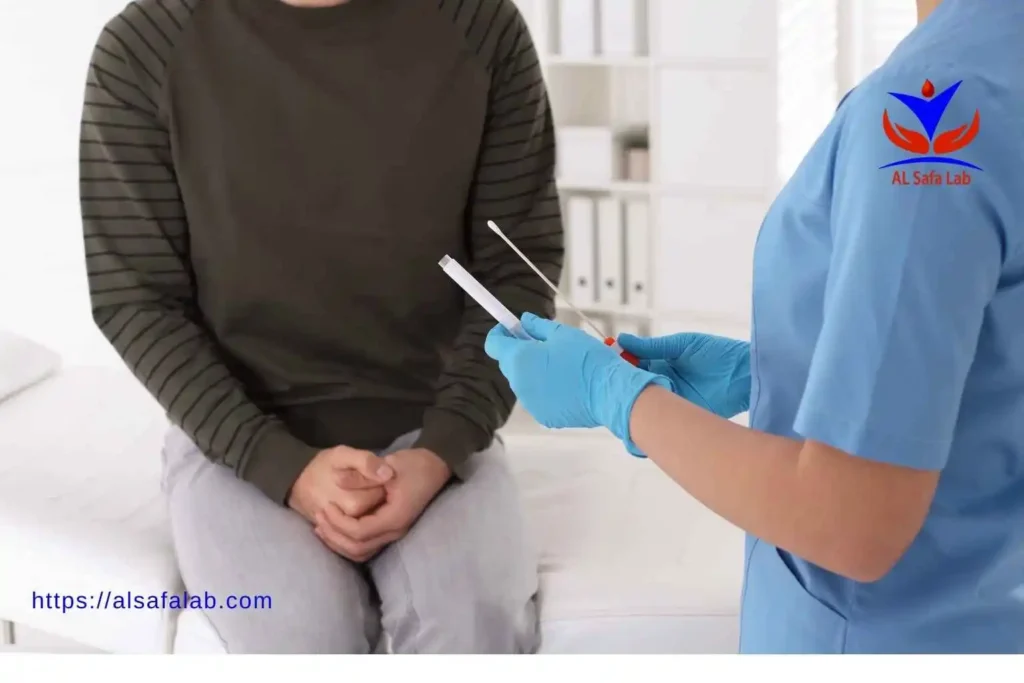
A clinician may collect a swab from the cervix, or patients may be instructed on how to self-collect a vaginal swab. Self-collected swabs are highly reliable when done correctly.
3- Rectal or Throat Swab
If you have engaged in receptive anal or oral sex, your provider may collect swabs from those areas to detect extragenital infections.
The process is quick and typically causes minimal discomfort.
How Accurate Is the NAAT Gonorrhea Test?
The NAAT gonorrhea test is highly accurate, with sensitivity and specificity often exceeding 95% depending on the site tested and the laboratory method used.
However, a few factors can affect accuracy:
- Testing too soon after exposure (before bacteria multiply)
- Improper sample collection
- Contamination during handling
If testing occurs very soon after potential exposure (within a few days), your provider may recommend repeat testing after 1–2 weeks.
How Soon After Exposure Should You Get Tested?
Gonorrhea has a short incubation period. Most infections can be detected by NAAT within:
- 2 to 7 days after exposure
However, for maximum accuracy, many clinicians recommend waiting about one week after possible exposure before testing.
If symptoms appear earlier, testing should be done immediately.
What Do NAAT Gonorrhea Test Results Mean?
Negative Result
No genetic material from Neisseria gonorrhoeae was detected. If testing occurred too early, repeat testing may be advised.
Positive Result
The bacteria were detected. Treatment should begin promptly.
In the U.S., the recommended treatment typically involves:
- An intramuscular injection of ceftriaxone
Your healthcare provider may also test for other STIs, including chlamydia, HIV, and syphilis.
What Happens After a Positive Result?
If you test positive:
- Begin treatment immediately.
- Inform recent sexual partners.
- Avoid sexual activity for at least 7 days after treatment.
- Complete any additional STI testing.
- Consider retesting in three months (reinfection is common).
Untreated gonorrhea can lead to serious complications, including pelvic inflammatory disease (PID), infertility, and increased HIV transmission risk.
NAAT vs. Culture Test: What’s the Difference?
While NAAT is preferred for routine diagnosis, culture testing still has a role.
NAAT:
- Detects genetic material
- Highly sensitive
- Faster results
- Does not provide antibiotic resistance data
Culture:
- Grows bacteria in a lab
- Slower
- Can determine antibiotic resistance
- Used in suspected treatment failure cases
With rising antibiotic resistance, culture testing may be necessary if symptoms persist after treatment.
Can You Take a NAAT Gonorrhea Test at Home?
Yes. Many reputable labs and telehealth platforms in the U.S. offer at-home STI testing kits that use NAAT technology. These kits typically include:
- Urine collection containers
- Swabs for vaginal, rectal, or throat testing
- Prepaid shipping materials
Always choose FDA-cleared or CLIA-certified laboratories to ensure reliable results.
Where to Get Tested for Gonorrhea
If you are looking for a reliable and accurate place to book your NAAT gonorrhea test, choosing a trusted laboratory is essential for your peace of mind and your health.
You can confidently book your test at Al Safa Lab, one of the leading medical laboratories known for advanced diagnostic technology and strict quality standards. The lab provides accurate NAAT-based STI testing with fast turnaround times, professional sample collection, and complete confidentiality.
Whether you prefer a urine gonorrhea test or require additional screening, the medical team ensures precise results using modern molecular testing methods. Early detection protects your health and prevents complications, so scheduling your gonorrhea test at Al Safa Lab is a proactive and responsible step toward maintaining your sexual health.
