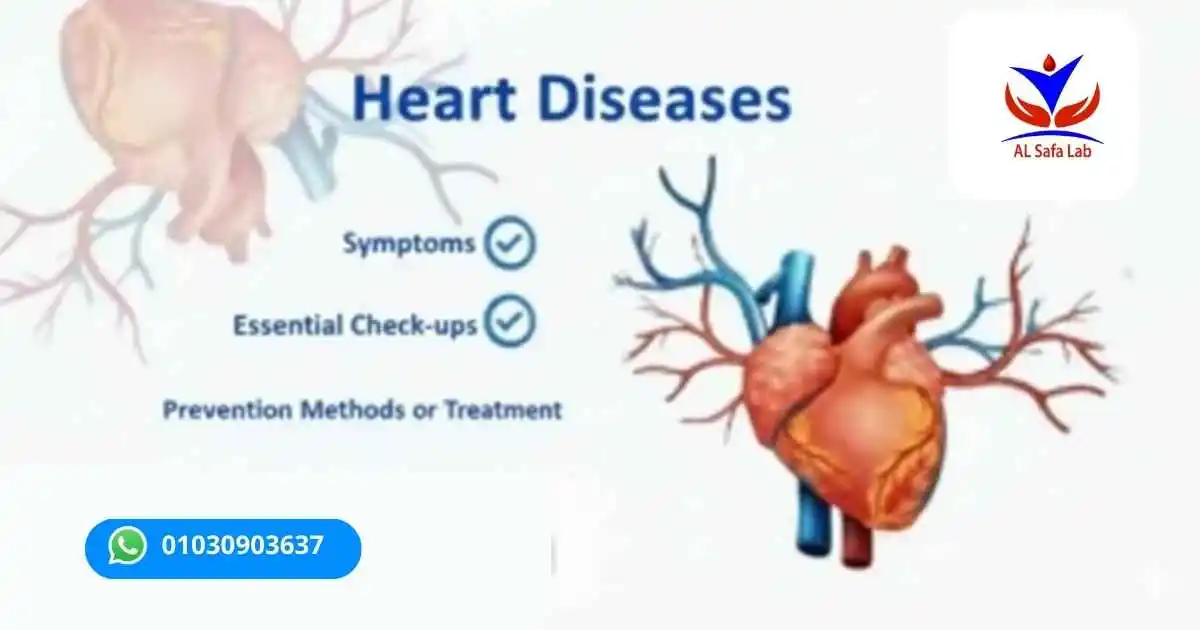
Heart Diseases | A Comprehensive Guide to Screening, Prevention, and Treatment
Heart diseases are among the most common and serious health conditions and often begin without clear symptoms before progressing suddenly. Therefore, early detection and careful follow-up are indispensable for maintaining heart health. At Al Safa Laboratory, we provide advanced tests that help accurately assess cardiac health, offering reassurance and a proactive step toward prevention and treatment. Continue reading to learn the most important information to protect your heart and your life.
What Are Heart Diseases? Common Types and Causes
Heart diseases are among the leading health problems affecting millions of people worldwide. These conditions range from mild disorders that can be controlled to life-threatening diseases if not detected early. A clear understanding of the common types and underlying causes supports prevention and early diagnosis, making routine checkups essential for maintaining cardiovascular health. The most important types and causes include:
- Coronary Artery Disease (CAD): Occurs due to blockage of the arteries supplying the heart with blood, most commonly from cholesterol buildup.
- Heart Failure: A condition in which the heart is unable to pump sufficient blood to meet the body’s needs.
- Cardiac Arrhythmias: Abnormal heart rhythms, including abnormally fast or slow heartbeats, often caused by electrical disturbances in the heart.
- Heart Valve Diseases: Dysfunction in the opening or closing of heart valves, affecting blood flow and increasing cardiac workload.
- Multiple Causes and Risk Factors: Such as hypertension, smoking, obesity, psychological stress, and an unhealthy lifestyle.

Book Your Test
At Al Safa Laboratory, we offer precise testing and a comprehensive cardiac health screening package that helps evaluate your heart health and detect any problems early, providing reassurance and enabling effective steps toward maintaining a healthy, active heart.
Symptoms of Heart Disease That Should Not Be Ignored
Heart diseases are serious conditions that may initially present without obvious symptoms, making awareness of early warning signs critically important. Recognizing these symptoms allows for early intervention and prevention of serious complications. Accurate medical testing is a decisive step toward ensuring heart health. Key symptoms to monitor include:
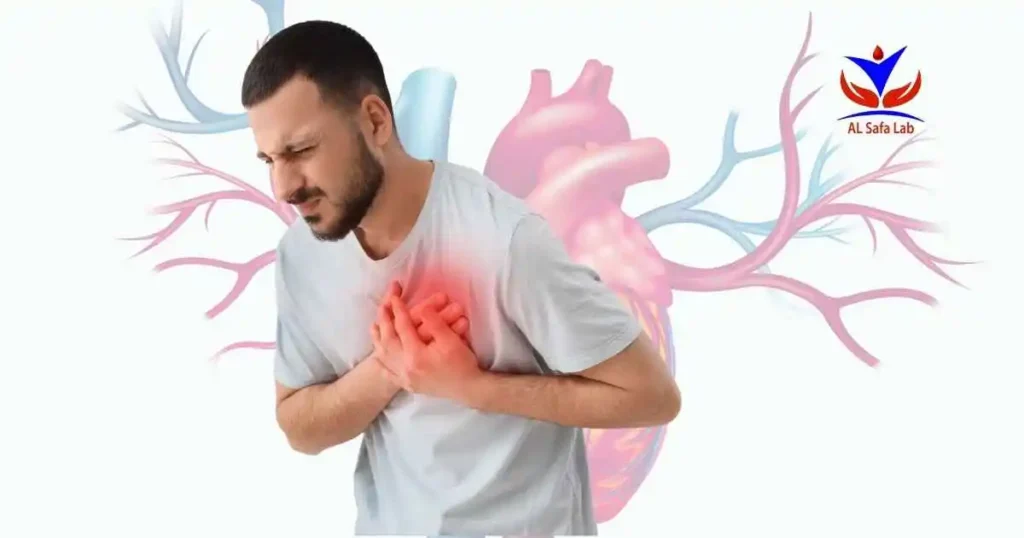
- Chest pain or tightness: A sensation of pressure or heaviness in the chest may indicate arterial blockage.
- Shortness of breath: Difficulty breathing during daily activities or at night may be a sign of heart failure.
- Palpitations or irregular heartbeat: A sensation of rapid or slow heartbeats may indicate cardiac arrhythmias.
- Persistent fatigue and exhaustion: Unexplained fatigue can result from reduced cardiac output.
- Swelling of the legs and ankles: Fluid retention may indicate heart failure or valvular heart disease.
At Al Safa Laboratory, we provide essential tests for the early detection of heart conditions, enabling accurate health monitoring and appropriate preventive measures to keep your heart strong and active throughout your life.
Book now and get reassurance about your heart health.
When Should You See a Doctor for Heart-Related Symptoms?
Heart diseases can worsen rapidly if not managed appropriately. Therefore, early diagnosis and regular medical follow-up are vital. Timely medical consultation helps determine the exact cause of symptoms and establish an effective treatment plan before complications arise. The following situations require immediate medical attention:
- Sudden or severe chest pain: Even if mild at first, it may indicate coronary artery blockage.
- Persistent shortness of breath: Difficulty breathing during exertion or at rest requires prompt evaluation.
- Unusual palpitations or irregular heartbeats: May indicate arrhythmias that need thorough assessment.
- Sudden swelling of the feet or ankles: Could be a sign of heart failure or valve disorders.
- Recurrent dizziness or fainting: Any partial or complete loss of consciousness necessitates immediate cardiovascular evaluation.
Risk Factors That Increase the Likelihood of Heart Disease
Heart diseases are among the most common and dangerous health problems, and risk factors play a major role in increasing susceptibility. Early identification of these factors and adherence to preventive measures help protect the heart and reduce future risks. Key risk factors include:
- High blood pressure: Increases stress on arterial walls and leads to serious cardiac complications.
- Elevated cholesterol and blood lipid levels: Cause arterial blockage and atherosclerosis, increasing the risk of heart attacks.
- Smoking: Nicotine directly affects the heart and blood vessels and significantly raises the risk of heart disease.
- Obesity and a sedentary lifestyle: Physical inactivity and excess weight negatively impact heart health.
- Diabetes and psychological stress: High blood glucose levels and chronic stress increase cardiac strain and weaken the body’s ability to cope with disease.
At Al Safa Laboratory, we provide accurate tests to help monitor your heart health and detect early risk indicators, offering reassurance and supporting effective steps toward maintaining a healthy, active heart.
Methods for Preventing Heart Disease and the Role of Al Safa Laboratory Tests
Heart diseases are among the most preventable health conditions through a healthy lifestyle and regular screening. Caring for the heart and blood vessels helps reduce risks and maintain normal cardiac function over the long term. Key preventive measures include:
- Adopting a healthy diet: Consuming fruits, vegetables, and whole grains while reducing saturated fats supports heart health.
- Regular physical activity: Exercise improves blood flow and strengthens the heart muscle.
- Monitoring blood pressure and cholesterol: Periodic tests help detect early elevations and enable timely management.
- Smoking cessation and avoiding alcohol: Harmful substances damage arteries and increase heart disease risk.
- Managing stress and maintaining a healthy weight: Psychological stress and obesity negatively affect cardiovascular health.
Accordingly, at one of the leading medical laboratories in Egypt, we offer comprehensive screening for early detection of cardiovascular risk indicators, providing reassurance and supporting your efforts to maintain healthy, active heart and blood vessels.
Heart disease complications can be prevented through early detection and regular monitoring of cardiac health. Routine testing helps identify abnormalities in a timely manner and supports correct therapeutic decision-making. At Al Safa Laboratory, we are committed to providing accurate and reliable tests to ensure your heart health. Caring today is a step toward a healthier life tomorrow.
You can view: The List of Al Safa Laboratory Tests
Frequently Asked Questions
What are the most common symptoms of heart disease?
They include chest pain, shortness of breath, palpitations, persistent fatigue, and swelling of the extremities.
Can heart disease be prevented?
Yes, through a healthy lifestyle, regular exercise, balanced nutrition, and periodic testing.
When should I see a doctor?
When noticing any unusual symptoms or in the presence of risk factors such as hypertension or diabetes.
What is the role of laboratory tests and screenings?
Accurate tests help detect problems early, facilitating effective medical intervention.
How can heart health be monitored continuously?
Through regular checkups, controlling risk factors, and ongoing follow-up with healthcare specialists.
References