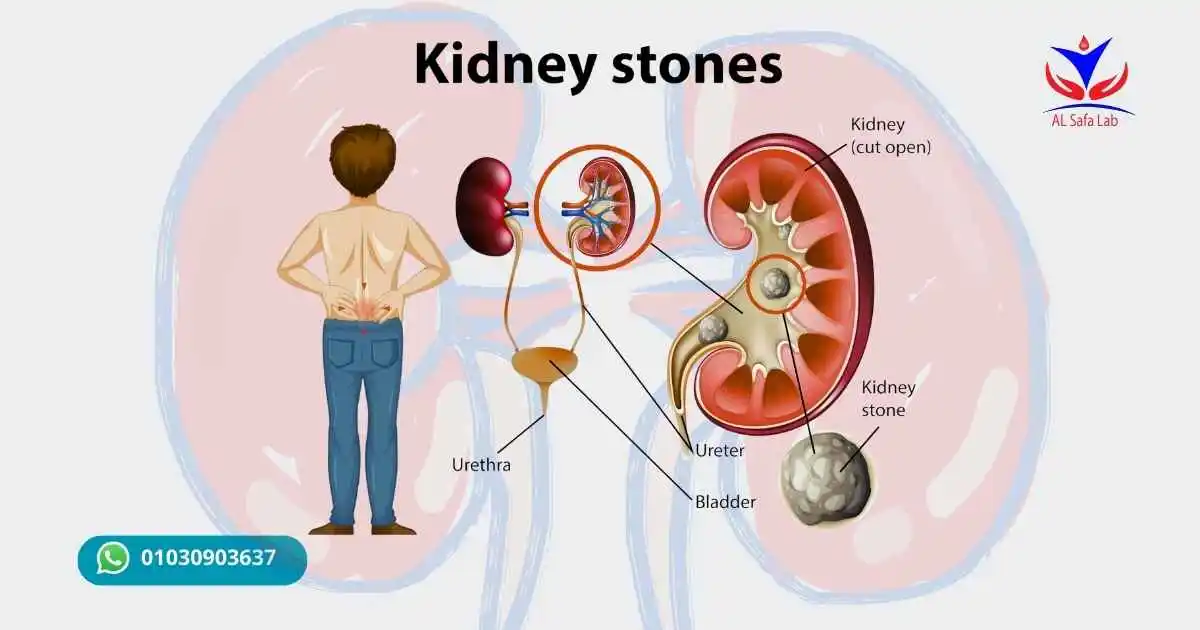
Kidney Stones: Symptoms, Causes & Best Treatments
Kidney stones are a common health problem that can cause severe pain if not detected early and managed appropriately. Accurate diagnosis depends on medical tests and laboratory investigations that identify the causes of stone formation and determine their type. At Al Safa Laboratory, we provide precise diagnostic tests that help evaluate kidney health and support the development of an appropriate treatment plan. Continue reading to learn about the causes, symptoms, prevention strategies, and effective treatment options for kidney stones.
What Are Kidney Stones? Types and Key Differences
Kidney stones are a prevalent medical condition that may lead to severe pain and complications if not properly managed. Understanding the different types of kidney stones and the differences between them is essential for selecting the right treatment and preventing recurrence. Accurate laboratory testing plays a crucial role in identifying the underlying cause and stone composition. The most common types of kidney stones include:
- Calcium Stones: The most common type, usually composed of calcium oxalate, formed when minerals accumulate in the urine.
- Uric Acid Stones: Result from elevated uric acid levels, often associated with dehydration or gout.
- Struvite Stones: Commonly caused by urinary tract infections; they tend to be larger and pose a higher risk.
- Cystine Stones: Rare stones caused by inherited disorders that increase cystine excretion in the urine.
- Mixed Stones: Contain more than one type of mineral and require detailed analysis to determine optimal treatment.

The Appearance of Kidney Stones
Kidney stones are solid masses resembling small pebbles or crystals. Their size can range from tiny, sand-like particles to larger stones comparable to a chickpea or more. They are typically yellowish-brown, white, or gray in color, and their surface may be rough and sharp-edged or relatively smooth, depending on the stone type.
The shape and texture of a kidney stone vary according to its chemical composition. Calcium oxalate stones are usually rough, whereas uric acid stones tend to be smoother. Some stones may grow large and branch within the kidney. However, stone type cannot be accurately identified by appearance alone and requires medical imaging and laboratory analysis.
Kidney Stone Symptoms That Should Not Be Ignored
Kidney stones require careful attention, as they may cause severe pain and serious complications if not treated promptly. Recognizing early warning signs enables timely medical intervention and helps prevent complications. Key symptoms include:
- Severe back or flank pain: One of the most common signs of stone movement through the urinary tract.
- Blood in the urine: Indicates irritation or injury to the urinary tract caused by the stone.
- Frequent urination or difficulty urinating: Stones may obstruct normal urine flow.
- Nausea and vomiting: Severe pain can trigger gastrointestinal symptoms.
- Fever and chills: Suggest an associated infection and require immediate medical attention.
At Al Safa Laboratory, we offer comprehensive kidney function tests and diagnostic packages to detect kidney stones, determine their size and type, and support the development of an effective treatment plan—providing reassurance about kidney and urinary tract health.
Risk Factors That Increase the Likelihood of Kidney Stones
Kidney stones are common and may lead to complications if preventive measures and early treatment are not implemented. Identifying risk factors helps patients take proactive steps to reduce recurrence. The most significant risk factors include:
- Insufficient fluid intake: Dehydration concentrates urine and increases mineral accumulation.
- High-salt and high–animal protein diets: Elevate urinary calcium and oxalate levels.
- Obesity and physical inactivity: Excess weight increases the risk of stone formation.
- Genetic factors and family history: A family history of kidney stones raises individual risk.
- Chronic conditions such as diabetes and bowel disorders: Affect mineral balance and urine composition.
At Al Safa Laboratory, we provide accurate kidney tests to identify risk factors and diagnose kidney stones early, supporting prevention and long-term kidney and urinary tract health.
Symptoms of Right Kidney Stones
Symptoms of right and left kidney stones are similar in nature; the primary difference is the location of pain. Symptoms of right kidney stones include:
- Sharp or severe cramping pain in the right lower back
- Pain radiating to the abdomen, lower right abdomen, or right thigh
- Pain that may be mistaken for appendicitis
- Nausea or vomiting with burning or difficulty during urination
- Blood in the urine or changes in urine color
Symptoms of Left Kidney Stones
- Sharp or cramping pain in the left lower back
- Pain spreading to the lower left abdomen or left thigh
- Pain sometimes mistaken for colon or splenic pain
- Similar urinary symptoms: burning, frequent urination, or blood in the urine
- Nausea and vomiting

When Do Kidney Stones Become a Medical Emergency?
Kidney stones may progress rapidly and become a medical emergency if not managed properly. Recognizing warning signs allows patients to seek timely care and avoid serious complications. Seek immediate medical attention if you experience:
- Sudden, severe back or flank pain that does not respond to pain relievers
- Large amounts of blood in the urine, indicating significant injury or obstruction
- Persistent nausea and vomiting, which can worsen dehydration
- Fever and chills, suggesting a concurrent infection
- Inability to urinate or complete توقف urine flow, a serious condition threatening kidney function
Reassure Your Kidney Health with Al Safa Laboratory Tests
The kidneys play a vital role in maintaining internal balance and removing toxins from the body. Early detection of kidney stones is essential for preventing complications. Routine testing helps monitor kidney health and identify problems at an early stage:
- Complete urinalysis: Detects blood or crystals associated with stone formation
- Blood tests for kidney function: Assess the kidneys’ ability to eliminate waste
- Imaging of the kidneys and urinary tract: Determines stone size and location
- Mineral and electrolyte analysis in urine: Identifies causes of stone formation and recurrence risk
- Specialist medical consultation: Ensures accurate, individualized treatment planning
At Al Safa Laboratory, we provide comprehensive testing to monitor kidney stones and overall kidney health, giving you confidence and supporting sound medical decisions to prevent complications.

The Role of Diet and Hydration in Reducing Stone Formation
Kidney stones can often be prevented by adopting a healthy lifestyle that includes proper nutrition and adequate hydration. These habits reduce stone formation and help the kidneys function efficiently. Five essential preventive tips include:
- Drink sufficient water daily: Dilutes minerals and prevents crystal formation in urine
- Reduce salt intake: Excess salt increases urinary calcium levels
- Moderate animal protein consumption: Excess intake raises uric acid levels
- Consume citrate-rich foods: Such as lemons and oranges, which inhibit stone formation
- Avoid excessive sugary and carbonated beverages: These may increase mineral buildup
Kidney stones can be effectively managed and their complications prevented through early diagnosis and close follow-up. Appropriate testing identifies stone type and underlying causes, facilitating optimal treatment selection. At Al Safa Laboratory, we provide advanced diagnostic services to support kidney health and effective treatment planning. Protecting your kidneys today helps prevent future pain and complications.
Are Kidney Stones Dangerous?
Kidney stones are not dangerous in all cases; however, neglect can turn them into a serious health problem. Small stones may pass naturally without complications, while larger or mobile stones can cause severe pain and ureteral obstruction.
The risk increases with persistent urinary obstruction or infection of the kidneys or urinary tract, which may lead to impaired kidney function or, in severe cases, sepsis. Therefore, early diagnosis and regular follow-up are strongly recommended to prevent complications and select appropriate treatment based on stone size and location.
✅ View All Tests and Examinations
Frequently Asked Questions
What are the main symptoms of kidney stones?
Severe back or flank pain, blood in the urine, and nausea are common symptoms.
How are kidney stones diagnosed?
Through urine and blood tests, along with imaging studies of the kidneys and urinary tract to determine size and location.
Can kidney stones be prevented?
Yes. Adequate hydration, a balanced diet, and regular laboratory monitoring reduce the risk.
How does Al Safa Laboratory help in managing kidney stones?
By providing accurate diagnostic tests to determine stone type and comprehensively monitor kidney health.
References:
Source