Homocysteine Test: Levels, Results & Book in Cairo
A Homocysteine Test is a blood test that measures the level of homocysteine in your blood. The test may be requested to investigate possible vitamin B12, folate, or vitamin B6 deficiency and, in selected patients, to provide additional information when assessing cardiovascular or blood-vessel health.
At Al Safa Lab in Cairo, you can take a Homocysteine Blood Test as part of your medical assessment or follow-up, with convenient booking and professional laboratory support.
Homocysteine Test Overview
| Detail | Value |
|---|---|
| Test Included | Homocysteine |
| Sample Type | Blood |
| Preparation | No Special Preparation |
| Home Collection | Available |
| Results Delivery | WhatsApp / Email / Branch |
| Results Time | Same Day |
What Is Homocysteine?
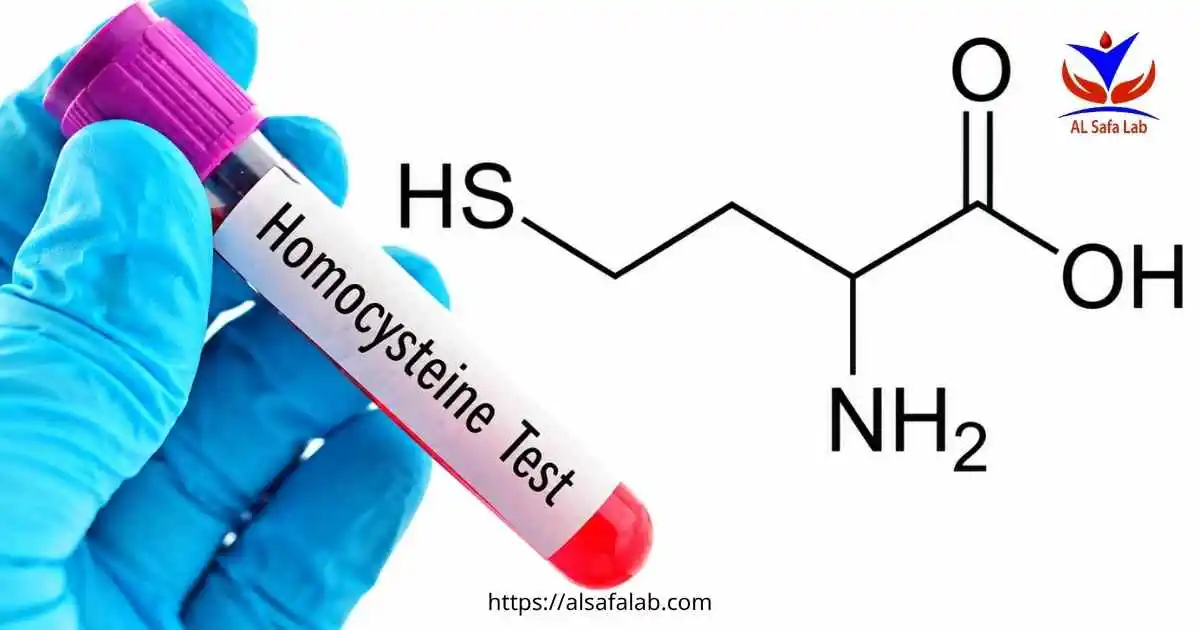
Homocysteine is a sulfur-containing amino acid produced during the breakdown of methionine, an amino acid found in protein-rich foods such as meat, eggs, and dairy products.
Under normal conditions, homocysteine is converted into other harmless compounds using:
- Vitamin B12
- Vitamin B6
- Folate (Vitamin B9)
When these vitamins are deficient — or when genetic enzyme defects are present — homocysteine accumulates in the blood and begins damaging the inner lining of blood vessels.
What Is a Homocysteine Test?
A Homocysteine test is a blood test that measures the amount of homocysteine in plasma or serum. It is commonly used to evaluate:
- Cardiovascular risk
- Stroke risk
- Blood clotting disorders
- Vitamin B12 and folate deficiency
- Recurrent miscarriage
What Does the Homocysteine Blood Test Measure?
The Homocysteine Blood Test measures the concentration of homocysteine in your blood, usually reported in micromoles per liter (µmol/L).
The result does not diagnose a specific condition on its own. Your doctor interprets it together with your medical history, symptoms, medications, vitamin status, and other laboratory results.
Why Do Doctors Order a Homocysteine Test?
Your doctor may request a Homocysteine Test when investigating:
- Possible vitamin B12 or folate deficiency
- Unexplained elevated cardiovascular risk
- A history of premature cardiovascular disease
- Recurrent or unusual blood clots
- Certain inherited metabolic disorders such as homocystinuria
- Kidney disease
- Hypothyroidism
- Selected cases of recurrent pregnancy loss
- An unexplained elevated homocysteine result that requires follow-up
Homocysteine testing is not generally used as a routine heart-disease screening test for everyone. Your doctor will determine whether it is useful in your individual case.
How Does the Homocysteine Test Work?
The test is simple and requires only a blood sample.
1. Blood Sample Collection
A small amount of blood is collected from a vein in your arm.
2. Laboratory Testing
The sample is analyzed to measure the concentration of homocysteine in your blood.
3. Same-Day Results
At Al Safa Lab, your Homocysteine Test result is available on the same day.
You can receive your result through WhatsApp or email, or collect a printed copy from the laboratory.
How to Prepare for a Homocysteine Test
- At Al Safa Lab, no special preparation is required before the Homocysteine Test.
- The test requires only a simple blood sample.
- You should, however, tell your doctor or laboratory team about any medicines, vitamins, or supplements you are taking, particularly B-vitamin supplements, because they may affect homocysteine levels.
- Do not stop any medication or supplement unless your doctor specifically advises you to do so.
Do You Need to Fast for a Homocysteine Test?
No. Fasting is not required for the Homocysteine Test at Al Safa Lab.
If your doctor has requested the test together with other blood tests that do require fasting, follow the preparation instructions provided for those tests.
When Will I Get My Homocysteine Test Results?
At Al Safa Lab, Homocysteine Test results are available on the same day.
Results can be delivered through:
- Printed report from the branch
This allows you to continue your medical follow-up without unnecessary waiting.
Normal Homocysteine Levels
Homocysteine is usually reported in µmol/L.
A commonly used general classification is:
| Homocysteine Level | General Interpretation |
| Approximately 5–15 µmol/L | Common adult reference range |
| 15–30 µmol/L | Mild elevation |
| 30–100 µmol/L | Moderate elevation |
| Above 100 µmol/L | Severe elevation |
Important: Reference ranges can vary between laboratories, testing methods, age groups, and individual circumstances. Always use the reference range printed on your laboratory report when interpreting your result.
What Do My Homocysteine Test Results Mean?
A Homocysteine Test result needs to be interpreted in context.
If Your Homocysteine Level Is Within the Reference Range
A result within your laboratory’s reference interval generally indicates that homocysteine is not elevated at the time of testing.
If Your Homocysteine Level Is High
An elevated result may be associated with:
- Vitamin B12 deficiency
- Folate deficiency
- Vitamin B6 deficiency
- Chronic kidney disease
- Hypothyroidism
- Certain medications
- Smoking
- Increasing age
- Some inherited metabolic conditions
A high result does not identify the cause by itself.
Your doctor may recommend additional investigations such as vitamin B12, folate, kidney function, thyroid testing, or other tests depending on your clinical history.
What Causes High Homocysteine?
Several factors may contribute to elevated homocysteine levels.
Vitamin Deficiencies
Low levels of:
- Vitamin B12
- Folate (Vitamin B9)
- Vitamin B6
can interfere with the body’s normal processing of homocysteine.
Kidney Function
Homocysteine levels may increase in people with chronic kidney disease.
Learn more about Kidney Function Tests
Thyroid Disorders
Hypothyroidism may be associated with higher homocysteine levels.
Learn more about Thyroid Tests for Hypothyroidism
Medications and Supplements
Certain medicines can affect homocysteine metabolism or vitamin levels.
Genetic Factors
Rare inherited conditions, including homocystinuria, can cause marked elevations in homocysteine.
Other Factors
Age, smoking, nutritional status, and other health conditions can also influence the result.
Does High Homocysteine Cause Symptoms?
High homocysteine itself usually does not cause specific symptoms.
When symptoms are present, they may be related to the underlying cause, such as a vitamin deficiency or another medical condition, rather than to homocysteine itself.
For example, vitamin B12 or folate deficiency may be associated with symptoms such as:
- Fatigue
- Weakness
- Tingling or numbness
- Memory or concentration problems
- Changes related to anemia
Testing is therefore more reliable than trying to identify elevated homocysteine based on symptoms alone.
Is High Homocysteine Dangerous?
Higher homocysteine levels have been associated with an increased risk of blood-vessel disease, blood clots, heart disease, and stroke.
However, a Homocysteine Test should not be used alone to predict cardiovascular risk.
Your doctor will consider the result together with other important factors such as:
- Blood pressure
- Cholesterol levels
- Diabetes
- Kidney function
- Smoking
- Age
- Family history
- Previous cardiovascular disease
An elevated result should therefore be interpreted as one part of your overall clinical assessment.
Can High Homocysteine Be Lowered?
Treatment depends on why the homocysteine level is elevated.
If testing identifies a deficiency in vitamin B12, folate, or vitamin B6, your doctor may recommend appropriate treatment.
Management may also involve treating an underlying condition such as thyroid or kidney disease and addressing relevant lifestyle factors.
You should not start high-dose vitamin supplementation based only on a Homocysteine Test result without discussing it with your doctor.
Importantly, lowering homocysteine levels does not automatically mean that cardiovascular risk is reduced, so treatment should focus on the underlying cause and your overall health profile.
Homocysteine vs Cholesterol Test
A Homocysteine Test and a cholesterol test measure different things and are not substitutes for each other.
| Homocysteine Test | Cholesterol / Lipid Profile |
| Measures homocysteine concentration | Measures cholesterol and triglycerides |
| May help investigate vitamin-related or metabolic causes | Helps assess lipid-related cardiovascular risk |
| May be requested selectively | Commonly used in cardiovascular risk assessment |
| Result is influenced by vitamins, kidney function and other factors | Result is influenced by genetics, diet, metabolism and other factors |
Your doctor may request one or both depending on your medical history and reason for testing.
Homocysteine Test Price in Egypt
Looking for the current Homocysteine Test price in Egypt?
Test prices may change over time, so contact Al Safa Lab for the latest price before booking.
Our team can also confirm:
- Current Homocysteine Test price
- Home Collection availability
- Sample collection options
- Result delivery options
The Homocysteine Test may also be included as part of our: Cardiac Health Profile Panel
Homocysteine Test Home Collection in Cairo
You do not have to visit the laboratory to complete your test.
Al Safa Lab offers Home Collection for the Homocysteine Test in Cairo, allowing your blood sample to be collected at your home or preferred location.
A member of our sample collection team will visit you, collect the required blood sample, and send it to the laboratory for testing.
Where Can I Get a Homocysteine Test in Cairo?
You can take your Homocysteine Test at Al Safa Lab in Nasr City, Cairo, or request Home Collection.
Contact Al Safa Lab
WhatsApp / Phone:
+201030903637
Address:
End of Mostafa El-Nahas Street, above Carrefour Market,
6 Mehdi Arafa Street, Nasr City, Cairo, Egypt.
Frequently Asked Questions
Does the Homocysteine Test require fasting?
No. At Al Safa Lab, fasting is not required for the Homocysteine Test. If you are having other tests at the same time, follow the preparation instructions for those tests.
Does the Homocysteine Test require special preparation?
No special preparation is required. Tell your doctor or laboratory team about medicines and supplements you are taking, particularly B vitamins.
How long does the Homocysteine Test result take?
At Al Safa Lab, the result is available on the same day.
What is considered a high homocysteine level?
Many laboratories consider levels above approximately 15 µmol/L elevated in adults, but reference ranges vary. Always interpret your result using the range printed on your laboratory report.
What are the symptoms of high homocysteine?
High homocysteine usually does not cause specific symptoms. Symptoms, when present, are more often related to an underlying condition such as vitamin B12 or folate deficiency.
Can high homocysteine cause blood clots?
Elevated homocysteine has been associated with an increased risk of blood clots and vascular disease, but the result alone cannot determine your individual clotting risk.
Can high homocysteine be related to recurrent miscarriage?
Elevated homocysteine has been investigated in relation to pregnancy complications and recurrent pregnancy loss. However, it is not a standalone diagnostic test for miscarriage, and your doctor should determine whether testing is appropriate.
Is a Homocysteine Test important for heart patients?
It may be useful in selected patients, especially when a doctor is investigating additional cardiovascular risk factors or an unexplained elevated homocysteine level. It is not recommended as a routine cardiovascular screening test for everyone.
Can I take the Homocysteine Test at home?
Yes. Home Collection is available through Al Safa Lab.
What is the Homocysteine Test price?
Contact Al Safa Lab for the current Homocysteine Test price in Egypt and available Home Collection options.