High Cholesterol and Triglycerides Symptoms| The Silent Cardiovascular Risk
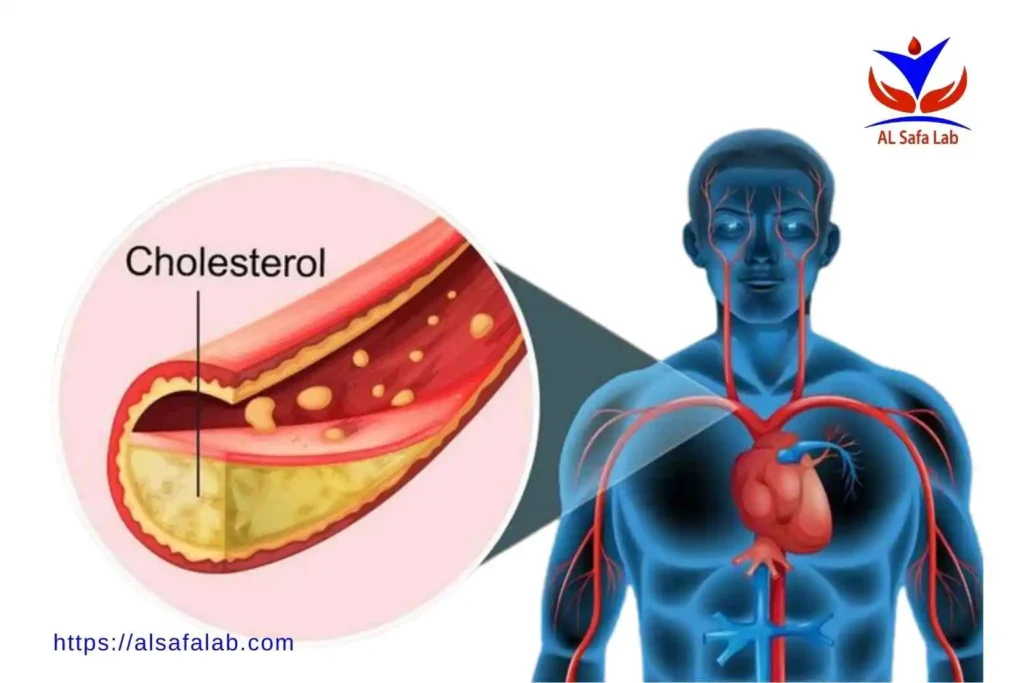
High Cholesterol and Triglycerides Symptoms often develop without noticeable symptoms. Despite the absence of early warning signs, these lipid abnormalities pose a significant threat to cardiovascular health over time. Many individuals discover elevated levels incidentally during routine blood testing — sometimes after arterial damage has already begun.
Understanding the warning signs, risk factors, and importance of early screening is essential to preventing serious complications such as heart attack and stroke.
What Are the Symptoms of High Cholesterol and Triglycerides?
In most cases, high cholesterol and triglycerides are asymptomatic in their early stages. However, as lipid accumulation progresses, the body may exhibit warning signs:
1. Fatty Skin Deposits (Xanthomas or Xanthelasma)
Small yellowish nodules may appear under the skin, especially around the eyelids or joints, indicating excess lipid buildup.
2. Persistent Fatigue
Narrowed arteries reduce oxygen delivery to muscles, leading to early exhaustion even with mild physical activity.
3. Chest Pain and Shortness of Breath
These may indicate coronary artery involvement and require immediate medical attention.
4. Cold or Numb Extremities
Reduced peripheral circulation can cause tingling or cold sensations in the hands and feet.
5. Headache and Dizziness
In advanced cases, impaired cerebral blood flow may result in balance disturbances.
Because symptoms typically appear late, laboratory testing remains the only reliable method for accurate diagnosis.
High Cholesterol and Triglycerides Symptoms in Women
High cholesterol is often referred to as a “silent killer,” particularly in women, who may remain symptom-free for years.
Possible symptoms include:
- Sudden severe fatigue
- Nausea
- Back or neck pain instead of classic chest pain
- Cold sweats
- Chest pressure (angina)
- Shortness of breath
- Arm or shoulder discomfort
High Cholesterol and Triglycerides Symptoms in Men
Men may develop cardiovascular disease at an earlier age, especially with elevated LDL cholesterol.
Common symptoms include:
- Chest pain or tightness
- Pain radiating to the left arm or jaw
- Shortness of breath
- Cold sweating or sudden dizziness
- Sudden weakness on one side of the body
- Difficulty speaking or seeing
- Sudden severe headache
Who Is at Higher Risk?
Screening is particularly important if you:
- Are over 20 years old (lipid profile every 4–6 years recommended)
- Have a family history of early heart disease
- Have diabetes or hypertension
- Smoke
- Are overweight or physically inactive
- Consume a diet high in saturated fats
When Should You Get a Lipid Profile Test?
Do not wait for symptoms to appear. Early blood lipid testing is a preventive strategy against cardiovascular disease.
You should consider testing if you experience:
- Persistent fatigue
- Shortness of breath with mild effort
- Unexplained physical changes
- Family history of heart disease
Why Regular Lipid Testing Is Essential
Routine cholesterol and triglyceride testing helps:
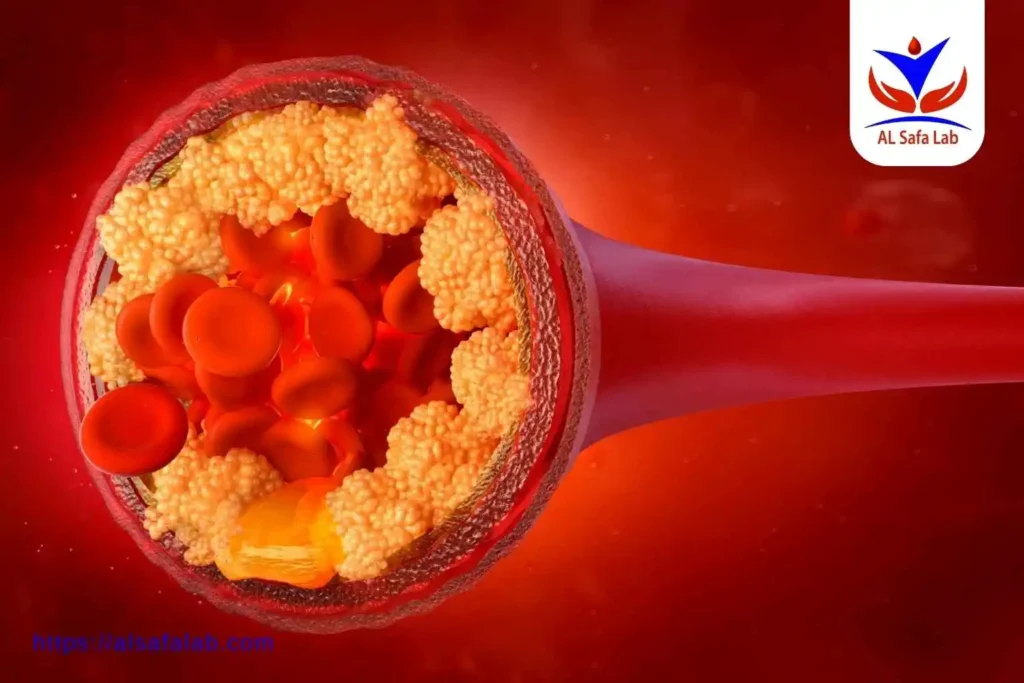
- Prevent atherosclerosis (arterial plaque buildup)
- Evaluate blood circulation efficiency
- Reduce risk of sudden blood clots
- Detect silent abnormalities early
- Guide dietary and lifestyle improvements
Benefits of Early Cholesterol Testing
Regular screening:
- Identifies hidden lipid elevations
- Monitors response to dietary changes
- Reduces risk of heart attack and stroke
- Assesses metabolic and liver function
- Provides long-term health tracking data
To book a cholesterol and triglyceride test, contact us via WhatsApp: +201030903637
For inquiries via email to Al Safa Lab: contact@alsafalab.com

How to Prevent High Cholesterol and Triglycerides
Preventive measures include:
- Reducing refined carbohydrates and saturated fats
- Increasing fiber-rich foods and omega-3 fatty acids
- Exercising at least 30 minutes most days
- Losing 5–10% of body weight if overweight
- Avoiding excessive alcohol
- Controlling diabetes and blood pressure
- Quitting smoking and improving sleep
Frequently Asked Questions
What is the fastest way to lower cholesterol and triglycerides?
Immediate dietary modification, daily physical activity, weight reduction, and physician-prescribed medications when necessary.
What does high cholesterol feel like?
Most people feel no symptoms unless complications develop.
Does smoking affect triglycerides?
Yes. Smoking raises triglycerides and lowers HDL cholesterol.
What is the difference between cholesterol and triglycerides?
Cholesterol is a structural lipid used in cells and hormones; triglycerides store excess energy from calories.
What are normal cholesterol levels in children?
- Total cholesterol: <170 mg/dL
- LDL: <110 mg/dL
- HDL: >45 mg/dL
Sources:
High cholesterol: Symptoms, causes and treatment