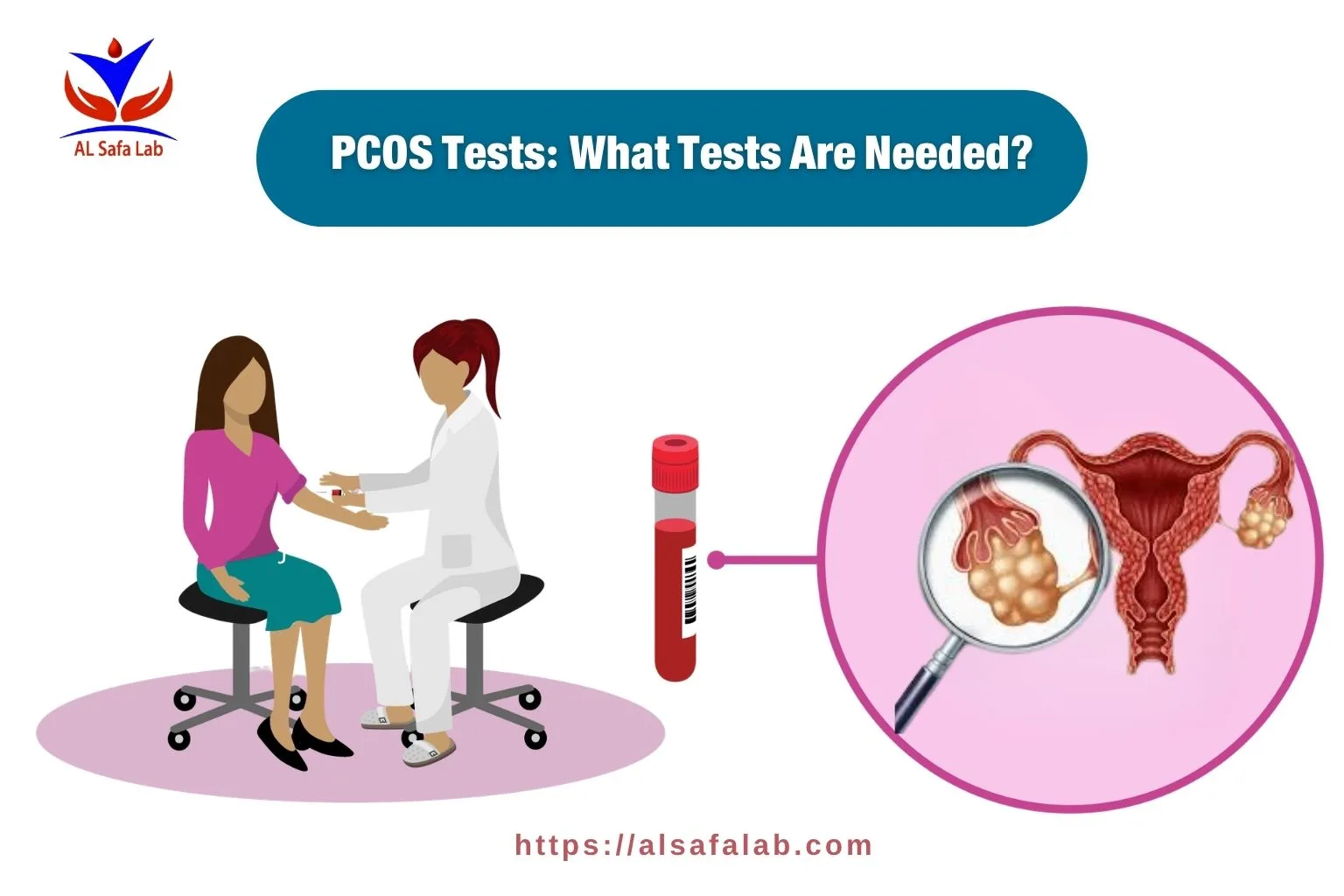
PCOS Tests | What Tests Are Needed?
PCOS tests or the required lab tests for diagnosing polycystic ovary syndrome are the first essential step in confirming the condition and creating the right treatment plan. PCOS is one of the most common hormonal disorders in women, but diagnosis does not depend on symptoms alone. It usually requires a group of specific laboratory tests, along with medical evaluation and ultrasound.
If you are experiencing irregular periods, weight gain, acne, or excess hair growth, your doctor may recommend certain tests to confirm the diagnosis.
What is PCOS?
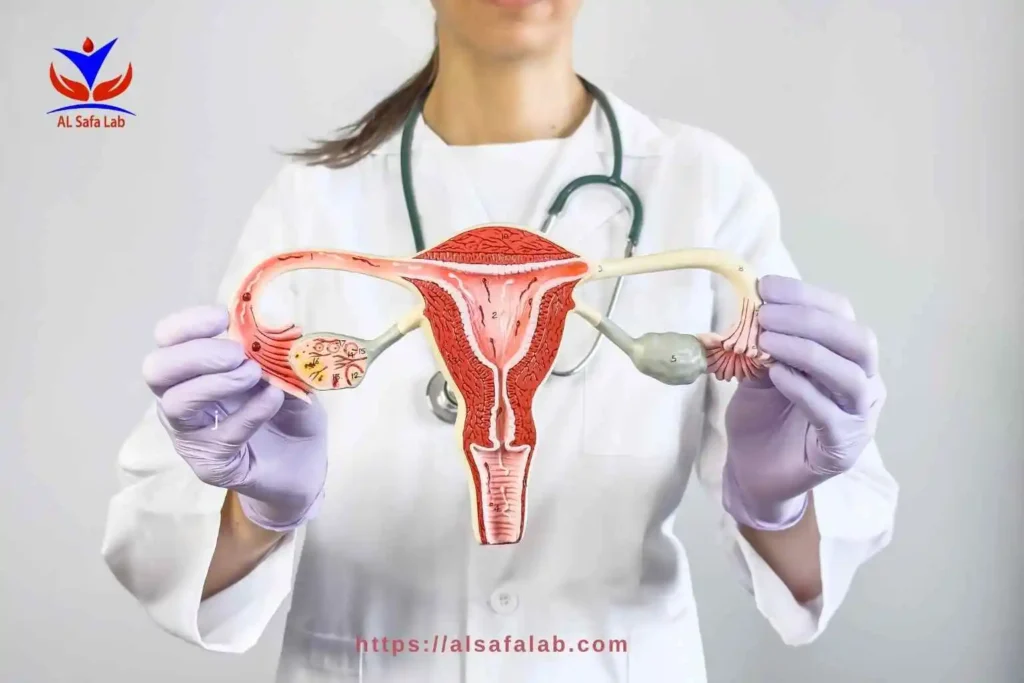
Polycystic ovary syndrome, or PCOS, is a hormonal disorder that affects how the ovaries work. It may lead to:
- Irregular ovulation or lack of ovulation
- Higher-than-normal androgen levels, including testosterone
- Multiple small follicles appearing on the ovaries
Because of this, PCOS diagnosis usually depends on lab tests, symptoms, physical examination, and pelvic ultrasound.
What causes PCOS?
The exact cause of PCOS is not always clear, but several factors may contribute to it. These include hormonal imbalance, especially increased androgen levels, insulin resistance that affects ovulation, genetic factors, and excess weight. Ovulation disorders also play a major role, and in many cases PCOS develops due to a combination of these factors.
What tests are required to diagnose PCOS?
1. Basic hormone tests
LH and FSH
These tests measure the balance of hormones involved in ovulation. A higher LH-to-FSH ratio may suggest PCOS.
Read More: Hormonal Imbalance Symptoms in Women | 9 Key Signs
Testosterone
This test measures androgen levels. High testosterone may explain symptoms such as acne, excess facial or body hair, and irregular periods.
Prolactin
High prolactin levels can also cause menstrual irregularities, so this test is important to rule out other conditions.
TSH
A thyroid function test is often needed because thyroid disorders can cause symptoms similar to PCOS.
2. Insulin resistance tests
Fasting Glucose
This test helps assess blood sugar levels.
Fasting Insulin
This test helps evaluate insulin resistance, which is commonly associated with PCOS.
3. Additional tests depending on the case
Some women may also need:
- Estradiol
- Progesterone
- DHEA-S
- Lipid Profile
These tests provide a broader picture of hormonal and metabolic health.
When should PCOS tests be done?
Most hormone tests for PCOS are best done on the second or third day of the menstrual cycle. However, some tests can be done at other times. Timing matters because hormone levels change throughout the cycle, so proper timing helps improve result accuracy.
Do PCOS tests require fasting?
Some PCOS-related tests do require fasting, while others usually do not.
- Fasting glucose and fasting insulin usually require fasting for 8 to 12 hours
- Most hormone tests generally do not require fasting unless your doctor advises otherwise
Are lab tests alone enough to diagnose PCOS?
No. PCOS cannot usually be diagnosed through one test alone. Diagnosis is typically based on:
- Lab test results
- Symptoms
- Pelvic ultrasound findings
That is why a full clinical evaluation is important.
When should you get tested for PCOS?
Testing is usually recommended if you have symptoms such as:
- Irregular menstrual cycles
- Delayed pregnancy or fertility problems
- Excess facial or body hair
- Persistent acne
- Weight gain
Why is early PCOS diagnosis important?
Early diagnosis can make a big difference. It may help:
- Improve menstrual cycle regulation
- Support fertility and ovulation management
- Reduce the risk of complications such as diabetes, heart problems, and further weight gain
PCOS test panel
For a more accurate diagnosis, it is often better to perform a PCOS test panel rather than relying on one test only. A complete panel can provide:
- More accurate results
- A wider evaluation of the condition
- Better follow-up with your doctor