
The VDRL lab test is a common blood test used to screen for syphilis, a sexually transmitted bacterial infection. If you’re searching for “vdrl lab test,” you’re likely looking to understand what it is, how it works, whether it detects HIV, what the results mean, or how much it costs.
In this comprehensive guide, we’ll explain everything clearly and professionally — including how the VDRL test works, when it’s recommended, how to interpret results, and how it compares to other syphilis tests like RPR.
What Is the VDRL Lab Test?
The VDRL (Venereal Disease Research Laboratory) test is a blood screening test used to detect antibodies associated with syphilis infection.
Important clarification:
The VDRL lab test does not detect the syphilis bacteria directly. Instead, it detects non-treponemal antibodies that the body produces in response to cellular damage caused by the infection.
Because of this, VDRL is considered a screening test, not a definitive diagnostic test.
Why Is the VDRL Test Performed?
Doctors may recommend a VDRL lab test for several reasons:
- Symptoms suggestive of syphilis
- Routine STD screening
- Prenatal screening during pregnancy
- Pre-marital or employment health checkups (in some regions)
- High-risk sexual exposure
- Monitoring treatment response in confirmed syphilis cases
Early detection is critical because untreated syphilis can progress to serious complications affecting the heart, brain, and nervous system.
How Does the VDRL Lab Test Work?
The VDRL test works through a process called flocculation.
Here’s how it works in simple terms:
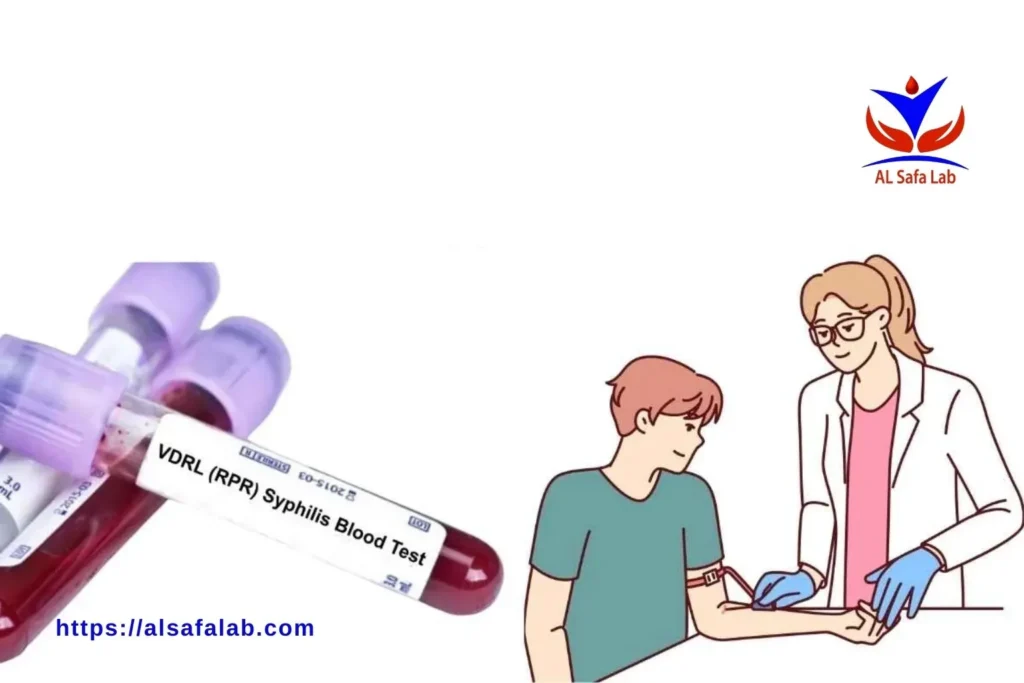
- A blood sample is drawn.
- The laboratory separates the serum.
- A reagent containing cardiolipin, cholesterol, and lecithin is added.
- If antibodies are present, they react with the reagent.
- A visible clumping (flocculation) occurs under the microscope.
If clumping appears → Reactive (Positive)
If no clumping appears → Non-reactive (Negative)
Does the VDRL Lab Test Detect HIV?
No. The VDRL lab test only screens for syphilis.
It does not detect HIV or AIDS.
To test for HIV, specific tests such as:
- HIV antibody test
- HIV antigen/antibody combination test
- HIV PCR test
are required.
Do You Need to Fast Before a VDRL Test?
No fasting is required.
The VDRL lab test can be done at any time of the day unless your doctor orders additional tests that require fasting.
Understanding VDRL Test Results
1. Non-Reactive (Negative)
- No antibodies detected.
- Usually indicates no infection.
- However, very early infection may not yet be detectable.
2. Reactive (Positive)
- Antibodies detected.
- Suggests possible syphilis infection.
- Requires confirmation with a treponemal-specific test such as:
- TPHA
- FTA-ABS
Can VDRL Give False-Positive Results?
Yes. The VDRL lab test can produce false-positive results in certain conditions such as:
- Pregnancy
- Autoimmune diseases (e.g., lupus)
- Viral infections
- Chronic liver disease
- Recent vaccinations
- Malaria
That’s why confirmatory testing is always recommended.
VDRL vs RPR: What’s the Difference?
Both VDRL and RPR are non-treponemal screening tests for syphilis.
| Feature | VDRL | RPR |
| Test Type | Non-treponemal | Non-treponemal |
| Reading Method | Microscope required | Visible to naked eye |
| Speed | Traditional method | Faster and simpler |
| Monitoring Treatment | Yes | Yes |
In practice, RPR is often preferred because it is quicker and easier to perform, but both tests serve similar purposes.
What Happens If the VDRL Test Is Positive?
If your VDRL lab test result is reactive:
- Your doctor will order a confirmatory treponemal test.
- If confirmed, treatment usually involves penicillin antibiotics.
- The dosage depends on the stage of infection.
- Follow-up testing is required to monitor antibody titers.
Syphilis is completely curable when treated early.
VDRL Test During Pregnancy
The VDRL lab test is routinely performed during pregnancy because untreated syphilis can lead to:
- Miscarriage
- Stillbirth
- Congenital syphilis
- Severe newborn complications
If detected early, treatment during pregnancy is highly effective and safe.
Read More About: What Are Sexually Transmitted Diseases (STDs)? Causes, Symptoms, and Prevention
How Long Does It Take to Get Results?
Results are typically available within:
- 24 to 48 hours
Some laboratories may provide same-day results.
How Much Does the VDRL Lab Test Cost?
The cost varies by country and laboratory.
In general:
- Standalone VDRL test: affordable and low-cost
- STD panel packages: higher cost depending on included tests
For exact pricing, contact Al Safa Medical Analysis Laboratory via: 201030903637
Is the VDRL Test Painful?
No. It involves a routine blood draw, similar to any standard laboratory test.
Can VDRL Be Used to Monitor Treatment?
Yes. One major advantage of the VDRL lab test is that it can measure antibody titers.
After treatment:
- Titers should decrease.
- A fourfold reduction usually indicates successful therapy.
- Persistent high titers may require further evaluation.
Accuracy of the VDRL Lab Test
Accuracy depends on the stage of infection:
- High sensitivity in secondary syphilis.
- Lower sensitivity in very early or late stages.
- Not sufficient alone for diagnosis.
That’s why clinical evaluation and confirmatory testing are essential.
Who Should Get a VDRL Lab Test?
You should consider testing if you:
- Have symptoms of syphilis
- Have multiple sexual partners
- Had unprotected sex
- Are pregnant
- Were exposed to an STD
- Are starting a new sexual relationship
Regular screening helps prevent complications and transmission.
Key Takeaways
The VDRL lab test is a widely used screening blood test for syphilis. It detects antibodies produced in response to infection rather than the bacteria itself. While reliable for screening and monitoring treatment, it requires confirmatory testing if positive.
It is:
- Simple
- Affordable
- Non-fasting
- Effective for monitoring therapy
If you suspect exposure or have symptoms, consult a healthcare provider for proper evaluation and testing.
FAQ
What is a VDRL blood test?
A VDRL blood test is a screening test used to detect syphilis. It identifies antibodies produced by the body in response to the infection, not the bacteria itself.
Is a VDRL or RPR test for syphilis?
Yes. Both VDRL and RPR are screening tests used to detect syphilis. They are non-treponemal tests that measure antibodies related to the infection.
What is the VDRL normal range?
The normal result for a VDRL test is non-reactive (negative). There is no numeric “normal range” unless titers are reported in reactive cases.
What blood test confirms a positive VDRL?
A positive VDRL is confirmed using a treponemal-specific test such as TPHA (Treponema pallidum Hemagglutination Assay) or FTA-ABS (Fluorescent Treponemal Antibody
References:
