
TSH Blood Test: What You Need to Know
Thyroid-stimulating hormone (TSH) is one of the most important markers used to evaluate thyroid function. A TSH blood test is commonly performed by healthcare providers to assess how well your thyroid is working. Understanding this test, why it’s important, and what the results mean can provide crucial insights into your overall health. In this article, we will cover what the TSH test measures, when it’s necessary, how it’s conducted, and how to interpret the results.
What is TSH?
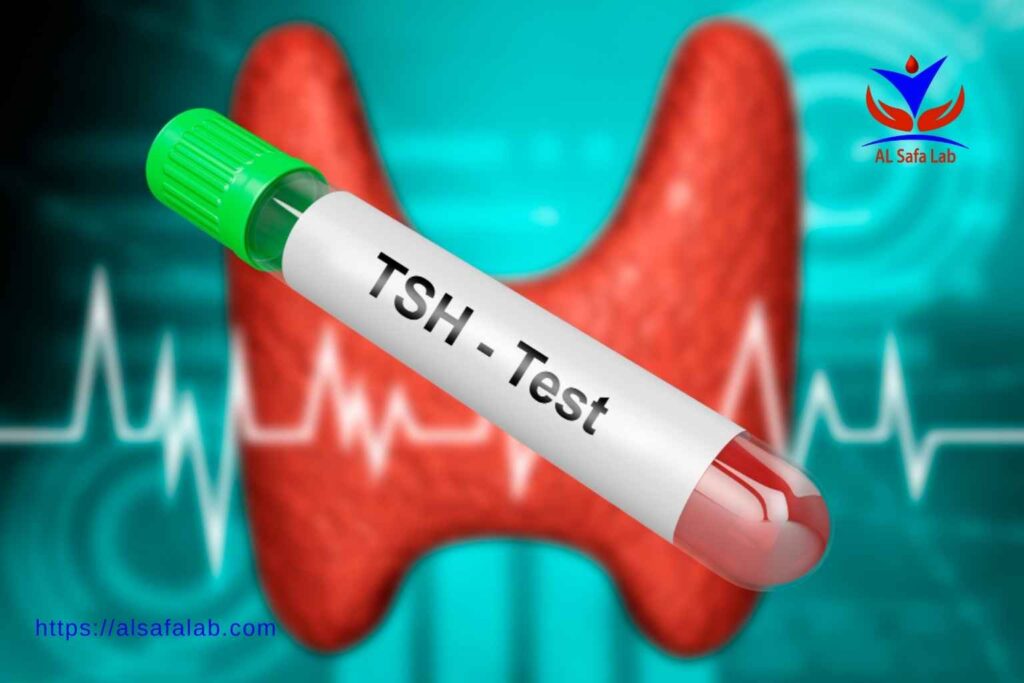
Thyroid-stimulating hormone (TSH) is produced by the pituitary gland, a small pea-sized organ located at the base of the brain.
TSH plays a key role in regulating the thyroid gland, which is responsible for producing hormones that control metabolism, energy production, and overall body function. The two main hormones produced by the thyroid are thyroxine (T4) and triiodothyronine (T3).
TSH prompts the thyroid to produce and release these hormones. If the thyroid is producing too much or too little thyroid hormone, TSH levels will be affected. This imbalance can result in a variety of symptoms, from fatigue and weight gain to rapid heartbeat and anxiety.
Why is the TSH Blood Test Important?
The TSH blood test is essential for diagnosing thyroid disorders, such as:
- Hypothyroidism: A condition where the thyroid is underactive and produces insufficient hormones.
- Hyperthyroidism: A condition where the thyroid is overactive and produces too much hormone.
- Thyroiditis: Inflammation of the thyroid gland, which can affect hormone production.
Doctors often use the TSH test as a first-line screening tool for these thyroid conditions. It provides valuable information to help guide further testing and treatment.
Read More About: Thyroid function Panel
When is the TSH Blood Test Recommended?
Your doctor may recommend a TSH blood test in the following scenarios:
- Thyroid Disorder Symptoms: If you exhibit symptoms of thyroid dysfunction such as fatigue, unexplained weight changes, constipation, rapid heartbeat, or hair loss, a TSH test can help determine whether a thyroid issue is the cause.
- Routine Health Screenings: TSH testing is often included in routine health check-ups, especially for people over the age of 35. Early detection of thyroid problems is crucial for preventing long-term complications.
- Monitoring Existing Conditions: For patients already diagnosed with thyroid disorders, TSH tests are used to monitor the effectiveness of treatment and ensure that thyroid hormone levels are within a normal range.
- Pregnancy: Thyroid function can change during pregnancy. A TSH test is often done to ensure that thyroid levels remain normal during this time, as thyroid imbalance can lead to complications such as preterm birth, low birth weight, and developmental issues.
How is the TSH Blood Test Performed?
The TSH blood test is simple and quick. It involves drawing a small sample of blood, usually from a vein in the arm. Here’s a step-by-step breakdown of the process:
- Preparation: No special preparation is usually required for the TSH test. However, if you’re taking medications such as thyroid hormone replacement therapy, inform your doctor beforehand as these can affect the test results.
- Blood Draw: A healthcare professional will clean the area where the blood will be drawn and use a needle to collect the sample.
- Lab Testing: The blood sample is sent to a laboratory where it is analyzed for the levels of TSH present.
- Results: Results typically come back within a few days, and your doctor will review them with you.
Booking Your TSH Blood Test at Al Safa Lab
- If you’re considering getting a TSH blood test, booking an appointment at a reliable laboratory is a crucial step in ensuring accurate results. At Al Safa Lab, you can easily schedule your test online or by contacting their customer service team.
- Al Safa Lab offers a wide range of diagnostic services, including thyroid function tests, ensuring that you receive high-quality care in a timely manner.
- The lab is equipped with state-of-the-art technology and experienced medical professionals who can guide you through the process.
- To book your test, simply visit their website, select the TSH test option, and choose your preferred time slot.You can also book your test via WhatsApp.
- With Al Safa Lab, you can trust that your test results will be handled with care and confidentiality.
TSH Blood Test Results: What Do They Mean?
The TSH test results can be categorized into several ranges that reflect thyroid function. Generally, the normal range for TSH is between 0.4 and 4.0 mIU/L (milli-international units per liter), but this can vary slightly depending on the laboratory.
Here’s how to interpret different TSH levels:
1. High TSH Levels
A high TSH level indicates that the thyroid is not producing enough hormones (hypothyroidism). The pituitary gland releases more TSH in an attempt to stimulate the thyroid to produce more hormones.
- Symptoms of Hypothyroidism:
- Fatigue
- Weight gain
- Dry skin
- Depression
- Cold intolerance
- Constipation
2. Low TSH Levels
Low TSH levels typically indicate hyperthyroidism, where the thyroid is producing too much hormone. In this case, the pituitary gland reduces TSH production to prevent over-stimulation of the thyroid.
- Symptoms of Hyperthyroidism:
- Increased heart rate or palpitations
- Anxiety or nervousness
- Tremors (shaking hands)
- Heat intolerance
- Insomnia
- Weight loss
3. Normal TSH Levels
Normal TSH levels suggest that the thyroid is functioning properly and is producing an appropriate amount of thyroid hormones.
However, in some cases, a normal TSH level may not completely rule out thyroid dysfunction, especially if there are still symptoms of thyroid imbalance. Further testing, such as T4 and T3 levels, may be necessary for a complete diagnosis.
Factors That Can Affect TSH Test Results
Several factors can influence TSH test results, including:
- Medications: Certain medications, such as birth control pills, steroids, and lithium, can affect TSH levels.
- Pregnancy: Pregnancy, particularly during the first trimester, can alter TSH levels. Pregnant women often have lower TSH levels due to changes in thyroid function.
- Age: TSH levels can fluctuate with age, and older adults may naturally have higher levels.
- Underlying Health Conditions: Conditions like pituitary disorders, diabetes, and chronic illnesses can affect TSH levels.
- Diet and Lifestyle: Iodine deficiency or excessive iodine intake can also influence thyroid function.
Treatment for Abnormal TSH Levels
Treatment for abnormal TSH levels depends on the underlying cause of the thyroid dysfunction:
- Hypothyroidism: Treatment typically involves synthetic thyroid hormone replacement, such as levothyroxine, which normalizes TSH levels and restores thyroid function.
- Hyperthyroidism: Treatment options include antithyroid medications, radioactive iodine therapy, or, in some cases, surgery to remove part of the thyroid gland.
- Monitoring: For mild cases of thyroid imbalance, doctors may recommend monitoring TSH levels regularly to ensure that the thyroid is functioning properly.
Frequently Asked Questions
1. What is a normal level for TSH?
A normal TSH level typically ranges from 0.4 to 4.0 mIU/L, though this can vary slightly depending on the laboratory. Levels within this range suggest normal thyroid function.
2. What happens when your TSH level is high?
High TSH levels usually indicate hypothyroidism, where the thyroid is underactive and not producing enough thyroid hormones. This can lead to symptoms like fatigue, weight gain, and dry skin.
3. What does a TSH blood test tell you?
A TSH blood test helps assess thyroid function by measuring the level of thyroid-stimulating hormone in your blood. It can detect thyroid imbalances like hypothyroidism or hyperthyroidism.
4. What if TSH is high or low?
- High TSH: Suggests an underactive thyroid (hypothyroidism).
- Low TSH: Indicates an overactive thyroid (hyperthyroidism). Both conditions may require further testing and treatment based on the cause.
References: