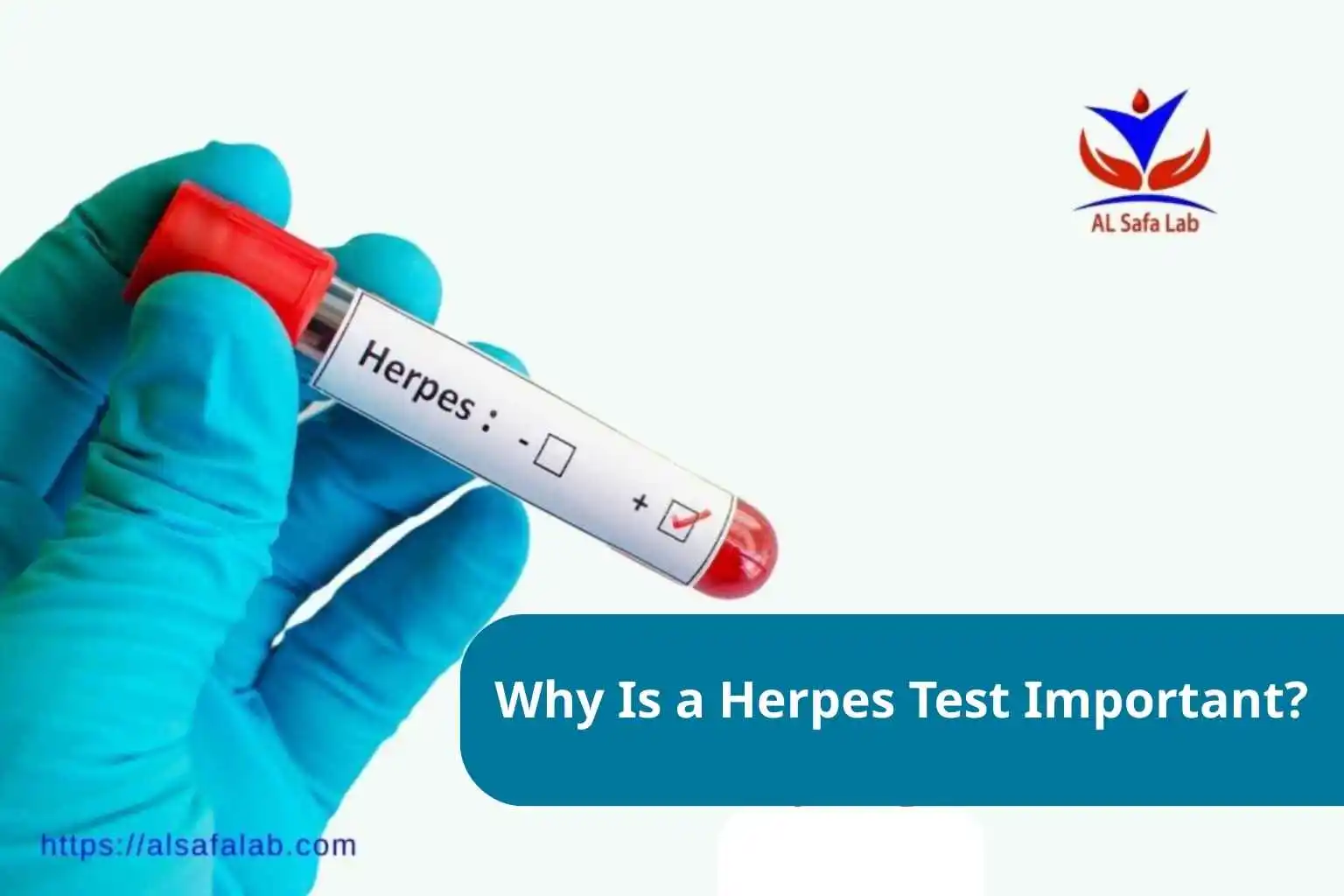
Why Is a Herpes Test Important?
Herpes is one of the most common viral infections worldwide. If not properly managed, it can have both short-term and long-term health implications. This is where a herpes test becomes essential.
A herpes test helps detect the presence of the virus, whether it is oral herpes (HSV-1) or genital herpes (HSV-2). Early diagnosis allows patients to take appropriate medical measures to reduce transmission risk and control symptoms effectively.
What Is Herpes?
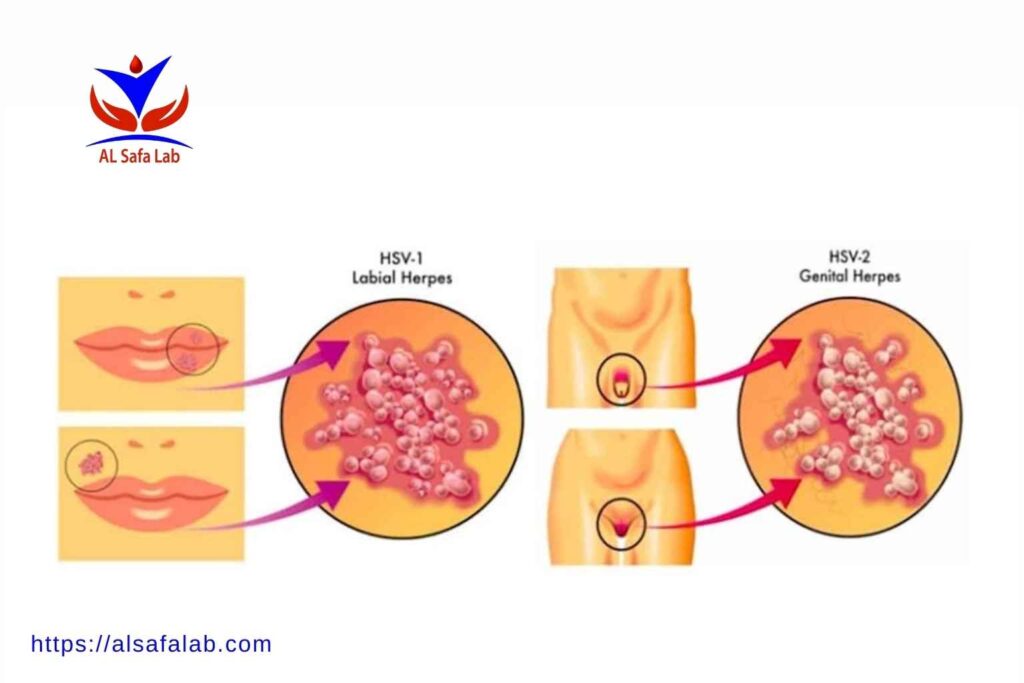
Herpes is a viral infection caused by the Herpes Simplex Virus (HSV). There are two primary types:
- HSV-1 (Herpes Simplex Virus Type 1): Commonly affects the lips and face, causing cold sores.
- HSV-2 (Herpes Simplex Virus Type 2): Typically causes genital herpes affecting the genital area.
Herpes is highly contagious and spreads through direct skin contact or exposure to infected bodily fluids.
What Is a Herpes Test?
A herpes test is a medical diagnostic procedure used to detect HSV infection in the body.
Testing may be recommended if:
- Symptoms are present
- There has been sexual exposure
- There is a family history of herpes
- There is suspicion of infection without symptoms
Herpes testing may involve:
- Blood tests
- Swab samples from cold sores or genital lesions
Early testing is one of the most important steps in preventing complications and limiting transmission.
Read More About: Sexually Transmitted Diseases (STD) Tests
Types of Herpes Tests Available
Several methods are used to perform an HSV test:
1. Herpes Blood Test (Antibody Test)
A herpes blood test detects antibodies against HSV.
- Identifies past exposure
- Detects infection even without symptoms
- Useful for asymptomatic individuals
This test measures:
- HSV IgG antibodies
- HSV IgM antibodies
2. Swab Test from Sores or Lesions
If visible sores or blisters are present, a swab sample can be taken directly from the affected area.
- Highly accurate for active infections
- Detects the virus at the infection site
3. PCR Test (Polymerase Chain Reaction)
PCR is one of the most accurate HSV testing methods.
- Detects viral DNA
- Can be performed on blood or lesion fluid
- Ideal for precise diagnosis
When Should You Get a Herpes Test?
A herpes test is recommended in the following situations:
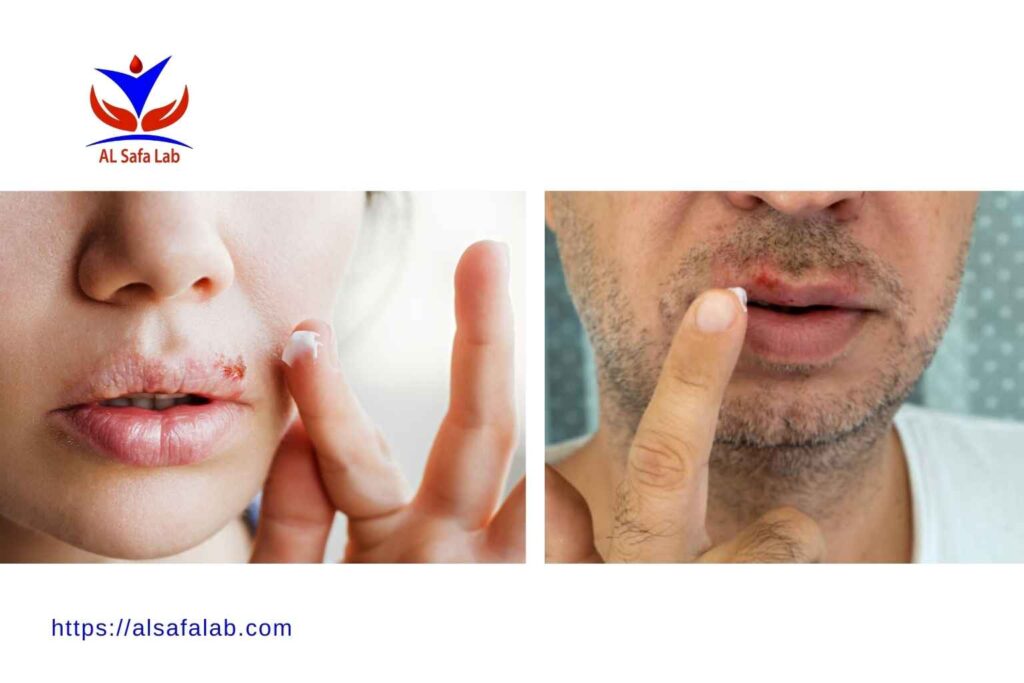
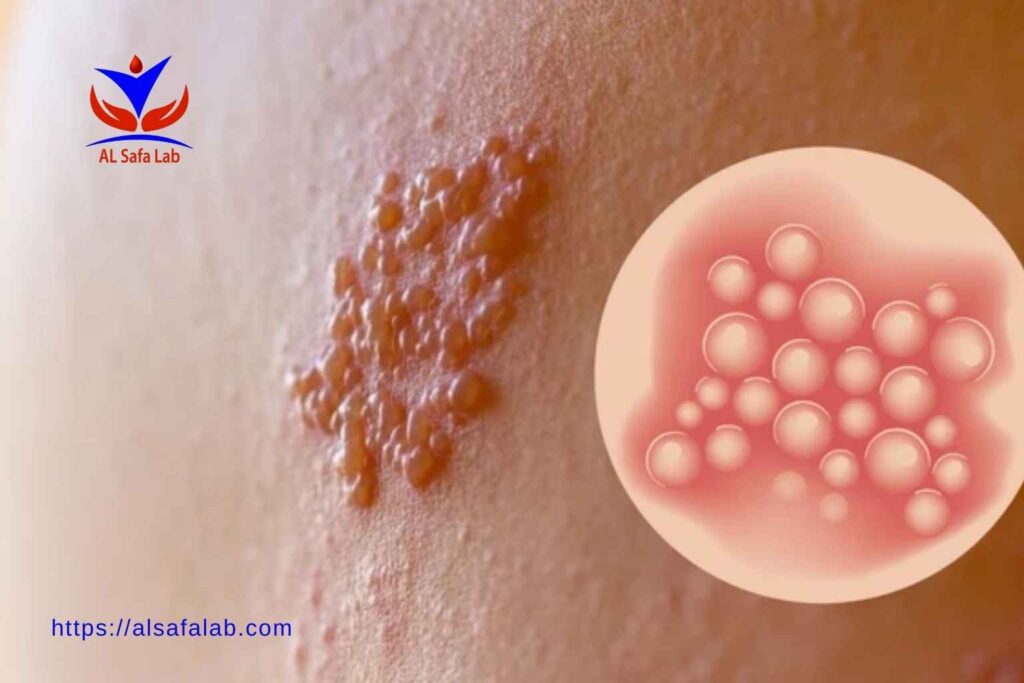
- Appearance of blisters or sores on the lips or genitals
- Pain, itching, or irritation in the genital area
- Direct contact with an infected person
- Family history of HSV infection
- Suspicion of infection without visible symptoms
Read More About: What Are Sexually Transmitted Diseases (STDs)? Causes, Symptoms, and Prevention
How Is a Herpes Test Performed?
The procedure is simple and can be done in clinics or laboratories.
Steps include:
- Clinical examination (if symptoms are visible)
- Collection of a swab sample (if lesions are present)
- Blood sample collection for antibody testing
Results help determine whether the infection is active or past.
Can Herpes Be Cured?
Herpes cannot be completely cured, but it can be effectively managed.
Antiviral medications help:
- Reduce symptom severity
- Shorten outbreak duration
- Lower transmission risk
Common medications include:
- Acyclovir
- Valacyclovir
- Other physician-prescribed antivirals
Book Your Herpes Test Today – Fast & Confidential
Early detection is the safest way to protect your health and prevent transmission.
At Al Safa Lab, we provide accurate herpes testing using advanced laboratory techniques with complete privacy and fast turnaround time.
✔ Same-day sample collection
✔ Confidential results
✔ International standards
✔ Professional medical support
📞 Call or WhatsApp: +20 103 090 3637
📧 Email: contact@alsafalab.com
Book your herpes test today and get reliable results you can trust.
Can Herpes Be Prevented?
Although the virus cannot be eradicated from the body, transmission can be reduced by:
- Using condoms during sexual activity
- Avoiding contact with active sores
- Taking suppressive antiviral therapy regularly
Frequently Asked Questions
What Is the Difference Between Herpes IgG and IgM?
- IgG: Indicates past exposure to HSV. A positive IgG result means previous infection.
- IgM: Appears in early infection stages. A positive IgM may indicate a recent or active infection.
What Does “Herpes” Mean?
Herpes is a viral disease caused by the Herpes Simplex Virus (HSV) that results in blisters or ulcers on the skin or genital area.
Does Herpes Appear in a Blood Test?
Yes. A herpes blood test detects HSV antibodies (IgG and IgM), indicating either past exposure or active infection.
What Is the Medical Code for a Herpes Test?
The herpes test is typically labeled as HSV (Herpes Simplex Virus) with specification of the test type (IgG or IgM), such as:
- HSV-1 IgG
- HSV-2 IgG
- HSV-1/2 IgM
References: