HbA1c Test Fasting
One of the most common questions patients ask before laboratory testing is: Do you need to fast for the HbA1c test? Many people assume that avoiding food is mandatory before any blood sugar test. However, the reality is different when it comes to the HbA1c test fasting requirements.
In this article, we explain whether fasting is necessary, how to prepare properly, and why this test is considered one of the most reliable tools for long-term glucose monitoring.
How Many Hours Should You Fast for an HbA1c Test?
The HbA1c test (glycated hemoglobin test) measures the average blood glucose level over the past 2–3 months. Unlike daily glucose tests, it does not reflect a single moment in time.
Does HbA1c Require Fasting?
No. The HbA1c test does not require fasting.
You can take the test:
- At any time of the day
- After eating or drinking
- Without stopping your regular medications (unless your doctor advises otherwise)
Why Fasting Is Not Required
The HbA1c test measures glucose attached to hemoglobin inside red blood cells. This glycation process happens gradually over approximately 120 days (the lifespan of red blood cells). Because of this cumulative nature:
- Recent meals do not affect the result
- Short-term stress does not distort the reading
- It reflects long-term glucose stability
When Might Fasting Be Required?
Fasting may only be necessary if your doctor orders additional tests at the same time, such as:
- Fasting blood glucose
- Lipid profile (cholesterol panel)
In that case, your laboratory will provide specific HbA1c test preparation instructions.
HbA1c vs Fasting Blood Sugar: Which Is More Accurate?
Many patients wonder whether the HbA1c test or fasting blood sugar is more precise.
HbA1c Test Advantages
- Measures 90-day glucose average
- Not affected by recent meals
- More stable and reliable
- Convenient timing (no fasting required)
Fasting Blood Sugar Advantages
- Detects immediate glucose levels
- Useful for early metabolic changes
- Helps diagnose impaired fasting glucose
Best Approach
In many cases, both tests complement each other. While the HbA1c test fasting requirement is unnecessary, combining it with fasting glucose can provide a comprehensive metabolic evaluation.
Benefits of the HbA1c Test
The glycated hemoglobin test is considered the gold standard for long-term diabetes monitoring.
1. Long-Term Glucose Assessment
It reflects average blood sugar levels over approximately three months.
2. Early Detection of Prediabetes
It helps identify individuals at risk before symptoms appear.
3. Treatment Monitoring
It evaluates how well medications and lifestyle modifications are working.
4. Stability Against Daily Variations
Because it does not depend on momentary glucose spikes, HbA1c test fasting is not required for accurate results.
5. Recommended Monitoring Frequency
Most patients are advised to repeat the test every 3–6 months.
What Does an HbA1c Test Report Look Like?
A typical laboratory report includes:
HbA1c Percentage (%)
Indicates the percentage of hemoglobin bound to glucose.
Estimated Average Glucose (eAG)
Many labs convert HbA1c into an estimated average glucose level (mg/dL or mmol/L) to match home glucometer readings.
Reference Ranges (HbA1c Normal Range)
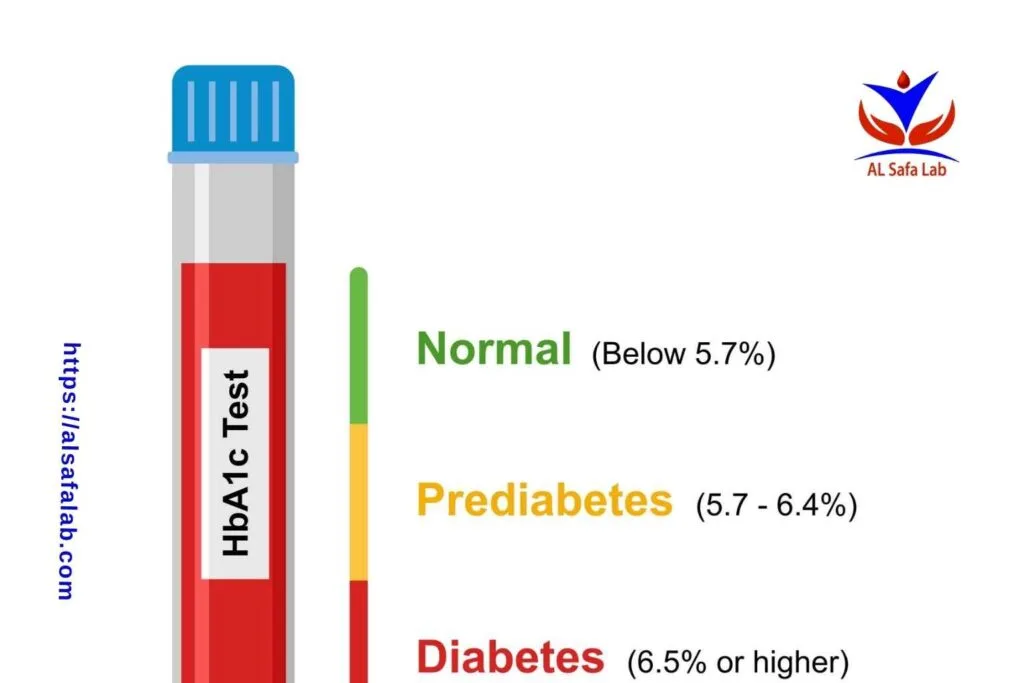
- Below 5.7% → Normal
- 5.7% to 6.4% → Prediabetes
- 6.5% or higher → Diabetes
- ≤ 7% → Common treatment target for many diabetic patients
Higher HbA1c levels increase the risk of complications such as neuropathy, kidney disease, and cardiovascular disorders.
Duration of Fasting for HbA1c Test
To clarify clearly:
- No fasting is required
- You may eat normally
- You may drink water
- You may take prescribed diabetes medications
The HbA1c test fasting duration is zero hours unless combined with other fasting tests.
Frequently Asked Questions
How many hours should I fast before an HbA1c test?
No fasting is required. The test can be performed at any time of day.
Can I drink water before the HbA1c test?
Yes. Drinking water does not affect the result.
Can high HbA1c cause dizziness?
Chronically elevated blood sugar may cause symptoms such as fatigue or dizziness, particularly when glucose levels are poorly controlled.
Does smoking affect HbA1c results?
Smoking may influence glucose metabolism and increase insulin resistance, potentially affecting long-term glycemic control.
references: