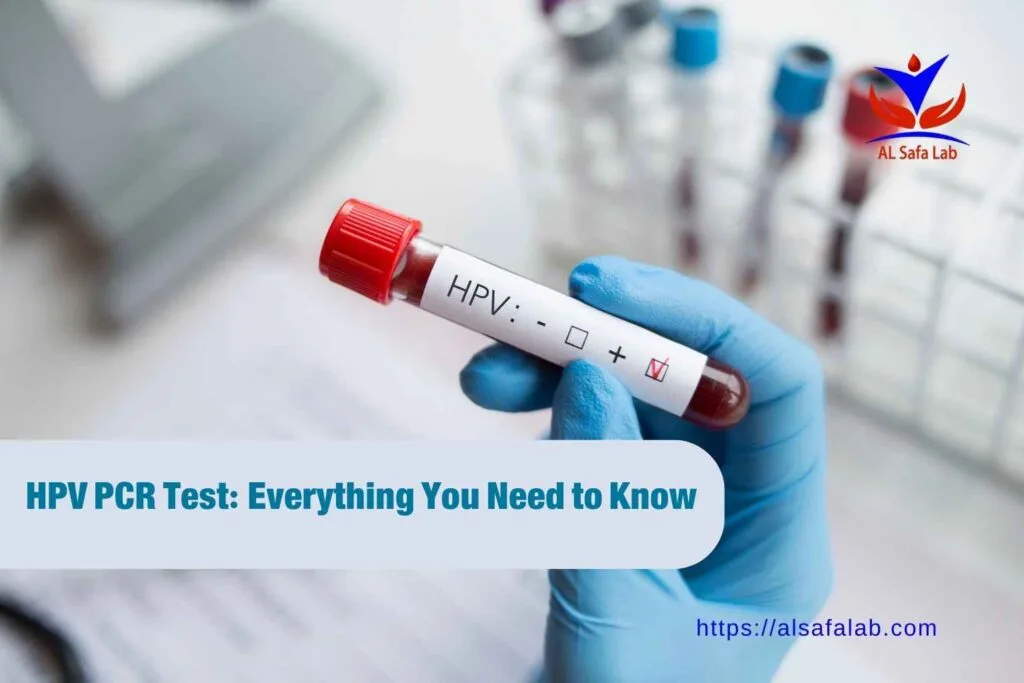
HPV PCR Test: Everything You Need to Know
The HPV PCR test plays a major role in preventing cervical cancer and other HPV-related diseases.
1. Early detection of HPV infection
Most HPV infections do not cause symptoms. The HPV PCR test can detect the virus long before health problems develop.
2. Cervical cancer prevention
Persistent infection with high-risk HPV strains can lead to precancerous cell changes in the cervix.
By identifying high-risk HPV early, doctors can monitor patients and treat abnormal cells before cancer develops.
3. Follow-up after abnormal Pap smear
If a Pap smear test shows abnormal cervical cells, doctors often recommend an HPV PCR test to determine whether HPV infection is responsible.
4. Identifying high-risk HPV strains
PCR testing can identify whether the infection involves high-risk types such as HPV 16 or HPV 18.
Who Should Get an HPV PCR Test?
Doctors may recommend HPV PCR screening for the following individuals:
- Women aged 30 and older as part of cervical cancer screening
- Women with abnormal Pap smear results
- Individuals with symptoms such as genital warts
- Patients being monitored after treatment for cervical cell changes
- People with weakened immune systems
Some doctors also recommend HPV PCR testing for men, especially when HPV-related symptoms appear.
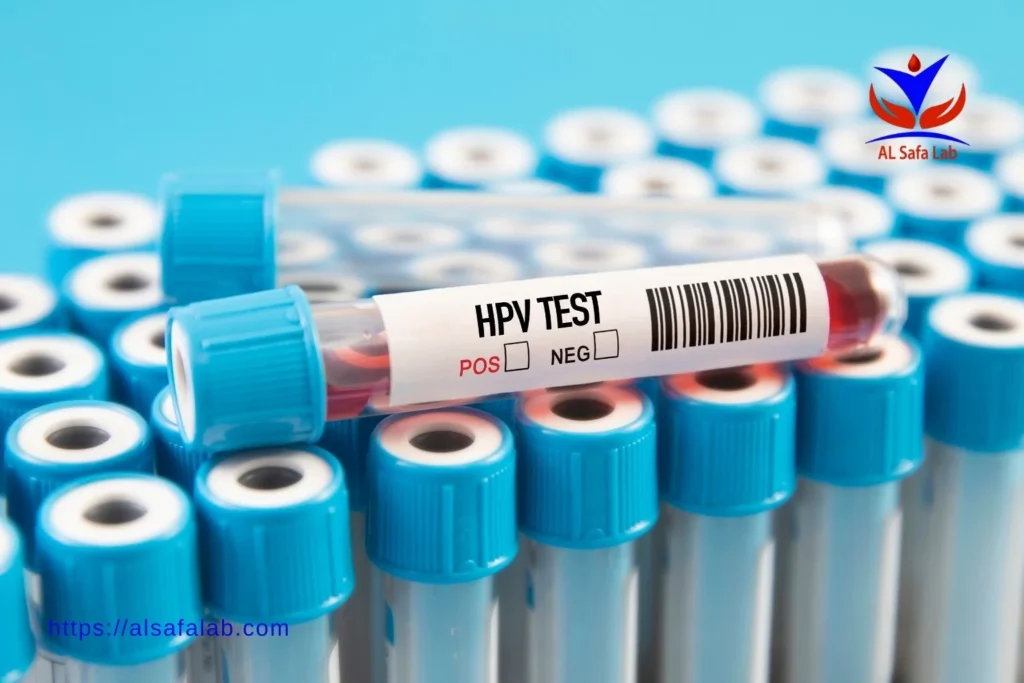
How Is the HPV PCR Test Performed?
The HPV PCR test procedure is simple and usually painless.
Sample collection
For women, the sample is typically collected from the cervix during a pelvic exam using a small swab.
For men, samples may be collected from:
- genital lesions
- throat
- anal region (depending on symptoms)
The collected sample is then sent to a laboratory.
Laboratory analysis
In the lab, scientists use PCR technology to detect HPV DNA and determine whether the virus is present.
Many advanced tests can also identify specific HPV genotypes.
How Accurate Is the HPV PCR Test?
The HPV PCR test is considered one of the most accurate HPV detection methods available.
Because PCR technology amplifies viral DNA, it can detect even very low levels of HPV infection.
Studies show that HPV PCR testing has:
- Very high sensitivity
- High specificity
- Reliable detection of high-risk HPV strains
For this reason, it is widely used in modern cervical cancer screening programs worldwide.
HPV PCR vs Pap Smear: What Is the Difference?
Many people confuse the HPV PCR test with the Pap smear test, but they serve different purposes.
Test | What it detects |
Pap smear | Abnormal cervical cells |
HPV PCR test | HPV DNA infection |
Doctors often recommend both tests together to provide the most accurate screening.
How Long Does It Take to Get HPV PCR Results?
HPV PCR test results are typically available within:
1–3 days, depending on the laboratory.
The result may indicate:
- Negative – no HPV DNA detected
- Positive – HPV infection present
Some reports also specify the exact HPV strain detected.
Can HPV Go Away on Its Own?
One of the most common questions people ask is whether HPV infection can disappear.
The answer is yes in most cases.
Studies show that about 90% of HPV infections clear naturally within two years, thanks to the body’s immune system.
However, some high-risk infections may persist and require medical monitoring.
You Might Also Be Interested In: NAAT Gonorrhea Test Accurate, Fast & Confidential STI Screening
Can HPV Be Treated?
There is currently no medication that directly kills HPV, but doctors can treat the conditions caused by the virus.
Treatment options may include:
- removal of genital warts
- cryotherapy (freezing abnormal tissue)
- laser treatment
- surgical removal of precancerous cells
Regular screening using HPV PCR testing helps detect problems early.
HPV Test Price in Egypt: What Affects the Cost?
The HPV test price in Egypt may vary depending on the type of test, the number of HPV genotypes included, sample collection method, turnaround time, and whether additional tests such as Pap smear or STD screening are required.
Factors that may affect the price include:
- HPV PCR test type
- High-risk HPV genotyping
- Sample type
- Lab technology used
- Result turnaround time
- Home sample collection availability
- Whether the test is booked alone or within a package
For the most accurate price, contact Al Safa Lab and ask about the HPV PCR Test cost, available packages, and whether it can be combined with other sexual health tests.
Book Your HPV PCR Test at Al Safa Lab
If you are searching for an HPV PCR Test in Egypt, Al Safa Lab can help you book a confidential, accurate, and professional HPV test.
Book your test if you:
- Need high-risk HPV screening
- Had an abnormal Pap smear
- Were advised by a doctor to test for HPV
- Have concerns after sexual exposure
- Want a confidential HPV test
- Need clear results from a trusted medical lab
- Want to ask about home sample collection availability
How to Prevent HPV Infection
Preventing HPV infection is possible through several strategies.

HPV vaccination
The HPV vaccine protects against the most dangerous HPV types responsible for cervical cancer.
Regular screening
Routine screening using HPV PCR tests and Pap smears helps detect infection early.
Safe sexual practices
Using protection during sexual activity may reduce the risk of HPV transmission.
Strong immune system
Maintaining a healthy immune system through proper nutrition, exercise, and sleep can help the body clear HPV infections more effectively.
You Might Also Be Interested In: Confidential STD Testing in Egypt – Private STD Tests
Frequently Asked Questions
What does HPV PCR positive mean?
A positive HPV PCR result means that HPV DNA was detected in the sample. Further evaluation may be required to determine the specific type and risk level.
Is HPV PCR testing painful?
No. The test is usually quick and causes minimal discomfort, similar to a Pap smear.
Can men get an HPV PCR test?
Yes. HPV PCR testing can be performed in men when symptoms such as genital warts or HPV-related lesions appear.
How often should you get an HPV PCR test?
Screening frequency depends on age and medical history, but many guidelines recommend HPV testing every 3–5 years for women over 30.