Ureaplasma Parvum PCR | Everything About Testing
Ureaplasma Parvum PCR is a highly accurate laboratory test used to detect Ureaplasma infections in the urinary or reproductive tract. Often asymptomatic, these infections can cause complications if left untreated, especially for individuals planning pregnancy or experiencing reproductive issues. Early detection through PCR testing ensures timely treatment and helps prevent long-term consequences.
Table of Contents
ToggleWhat is Ureaplasma Parvum PCR?
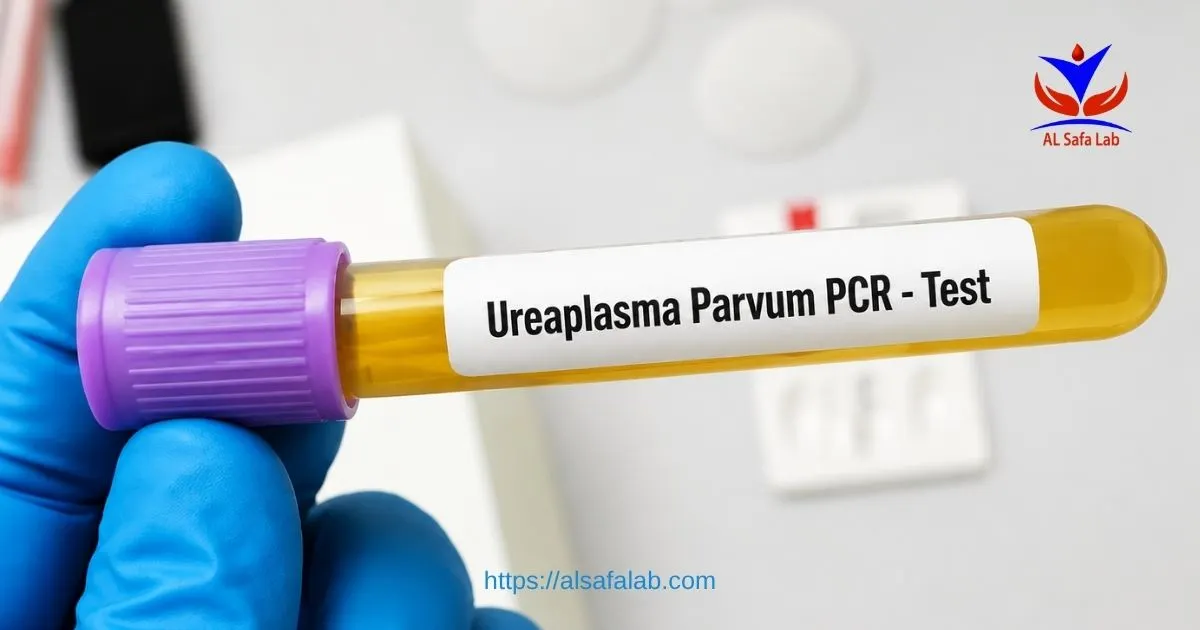
The Ureaplasma Parvum PCR test is a molecular diagnostic procedure that identifies the DNA of Ureaplasma parvum or Ureaplasma urealyticum in urine or swab samples.
Using PCR (polymerase chain reaction) technology, this test is much more sensitive and faster than traditional bacterial cultures.
The test detects infections even in asymptomatic cases, enabling early intervention before complications arise.
This makes it particularly important for individuals planning to conceive or those with unexplained reproductive issues.
Read More About: Sexually Transmitted Diseases (STD) Tests
What Does the Presence of Ureaplasma Parvum Mean?
Detection of Ureaplasma Parvum in urine or swab samples indicates a possible infection of the urinary or genital tract. Common signs can include:
- Burning sensation during urination
- Abnormal discharge from the penis or vagina
- Lower abdominal or pelvic discomfort
However, many patients remain symptom-free, highlighting the importance of PCR testing for early detection.
Can Ureaplasma Parvum Affect Fertility?
Yes, untreated Ureaplasma infections can impact fertility:
- Women: May cause cervicitis, pelvic inflammatory disease, or changes in the uterine environment, affecting conception.
- Men: Can lead to prostatitis, epididymitis, and reduced sperm quality.
Testing and treating Ureaplasma infections before trying to conceive can significantly reduce fertility risks.
Symptoms of Ureaplasma Parvum
Symptoms vary depending on gender and infection severity:
- Women: Vaginal discharge, pelvic discomfort, burning urination, or light bleeding between periods.
- Men: Urethral discharge, burning urination, testicular or epididymal pain/swelling.
- Asymptomatic cases: Common; infection may be unnoticed without testing.
How is Ureaplasma Parvum PCR Performed?
Step-by-step procedure:
- Sample collection:
- Men: First-catch urine (first 10–20 mL)
- Women: Vaginal or cervical swab, or first-catch urine depending on the lab
- Use sterile container: Prevent contamination.
- Sample delivery: Submit to the lab promptly; follow storage instructions.
- PCR testing: Lab amplifies bacterial DNA to detect Ureaplasma parvum or urealyticum.
- Consultation: Review results with your doctor for appropriate treatment if positive.
Interpreting Ureaplasma Parvum PCR Results
Results generally appear as Negative or Positive, with some labs reporting bacterial load:
Load | Interpretation |
< 10³ copies/mL | Low bacterial count; may be asymptomatic or mild infection |
10³–10⁴ copies/mL | Moderate; likely active infection needing evaluation |
>10⁴ copies/mL | High; active infection, treatment recommended |
Consult a healthcare professional to interpret your result in context of symptoms and reproductive goals.
How is Ureaplasma Parvum Transmitted?
Transmission occurs primarily via direct sexual contact:
- Vaginal, anal, or oral sex without protection
- Mother-to-child transmission during childbirth
It does not spread through toilets, swimming pools, or casual contact.
Treatment Duration for Ureaplasma Infections
Treatment typically involves antibiotics for 7–14 days, depending on the drug prescribed:
- Doxycycline
- Azithromycin
- Clarithromycin
Adherence to the full course is crucial to prevent recurrence or antibiotic resistance. Partners should also be tested and treated if necessary.
Potential Effects on Reproductive Health
Untreated Ureaplasma can lead to:
- Pelvic inflammatory disease (PID) in women
- Delayed conception or miscarriage
- Prostatitis or epididymitis in men
Early PCR detection and treatment mitigate these risks.
Read More About: Chlamydia Trachomatis PCR Test
When to Expect Results
PCR results are usually available within 1–3 days, depending on the lab. Rapid turnaround allows timely treatment and reduces the risk of complications.
Booking a STD Panel Package
For complete reassurance and early detection, consider booking a STD Plus Package that includes Ureaplasma Parvum PCR along with tests for Chlamydia, Gonorrhea, Mycoplasma, and other common sexually transmitted infections. This approach ensures comprehensive sexual health screening and faster medical guidance.
Frequently Asked Questions (FAQ)
What is Ureaplasma Parvum PCR?
A molecular test detecting the DNA of Ureaplasma parvum in urine or swab samples for early infection detection.
Does Ureaplasma Parvum affect fertility?
Yes, untreated infections can reduce fertility in men and women; early treatment minimizes risk.
How soon do I get results?
Results typically return within 1–3 days, depending on the laboratory.
How do I read Ureaplasma PCR results?
Negative indicates no infection; Positive indicates presence of bacterial DNA. Some labs report bacterial load for severity assessment.
Do I need to fast for the test?
No, Ureaplasma PCR testing does not require fasting.