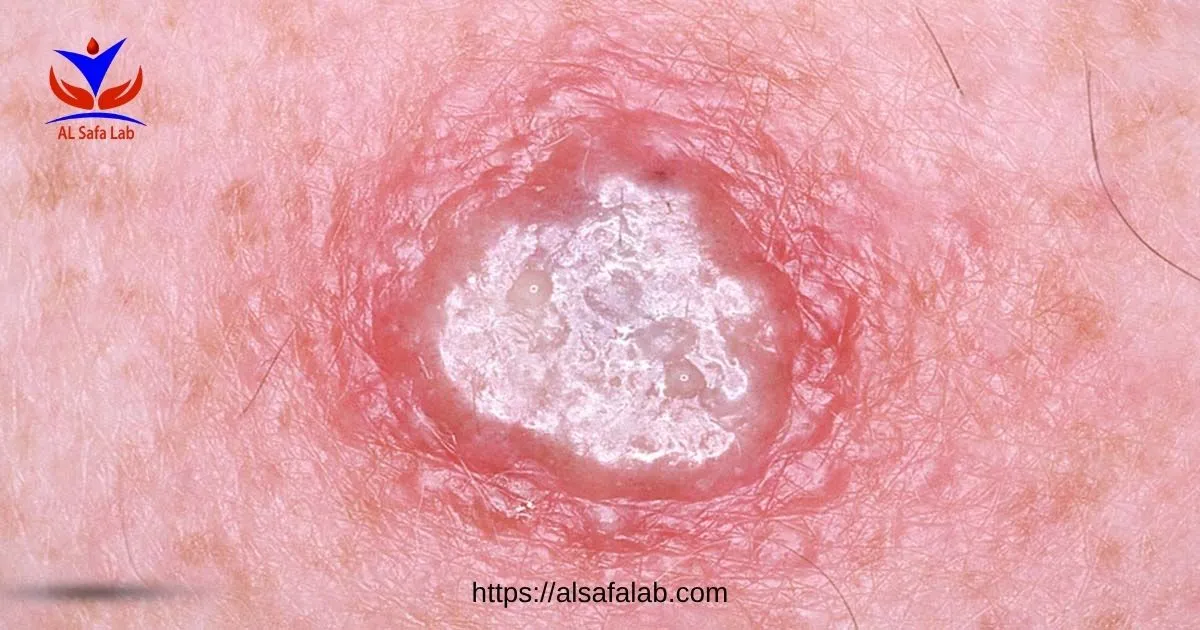
Chancroid | Causes, Symptoms, Diagnosis, and Treatment
Chancroid, also known as a soft chancre, is a sexually transmitted bacterial infection that causes one or more painful ulcers on the genitals or around the anus. It may also be accompanied by painful swelling of the lymph nodes in the groin.
Although the global prevalence of chancroid has declined, the infection is still present in some regions. Accurate medical diagnosis is essential because its symptoms can resemble those of other conditions, including syphilis, genital herpes, and other sexually transmitted infections that cause genital ulcers.
What Is Chancroid?
Chancroid is a bacterial infection caused by Haemophilus ducreyi. It affects the skin or mucous membranes of the genital area. The infection usually begins as a small, painful bump or pimple that rapidly develops into an open ulcer with soft, irregular edges.
Chancroid is entirely different from a stomach ulcer. It is a sexually transmitted infection and is unrelated to stomach acid or Helicobacter pylori. The World Health Organization identifies Haemophilus ducreyi as the bacterium responsible for chancroid.
Causes of Chancroid
Chancroid develops when Haemophilus ducreyi enters the body through tiny cuts or breaks in the skin or mucous membranes that may occur during sexual activity.
The bacterium can be transmitted through:
- Vaginal, anal, or oral sexual contact with an infected person.
- Direct contact with an ulcer or the infectious fluids and discharge it produces.
- Contact with an infected area of skin, particularly when small cuts or abrasions are present.
Some infected individuals may carry the bacterium without developing noticeable symptoms. As a result, they may transmit the infection to another person without knowing the source of the infection.
When Do Chancroid Symptoms Appear?
Symptoms usually develop within 3 to 7 days after exposure to the bacterium. The infection typically begins as a small, painful bump in the genital area, which soon develops into a pustule or open ulcer.
The incubation period may vary from one person to another. Therefore, the timing of infection cannot be determined solely on the basis of when the ulcer first appeared.
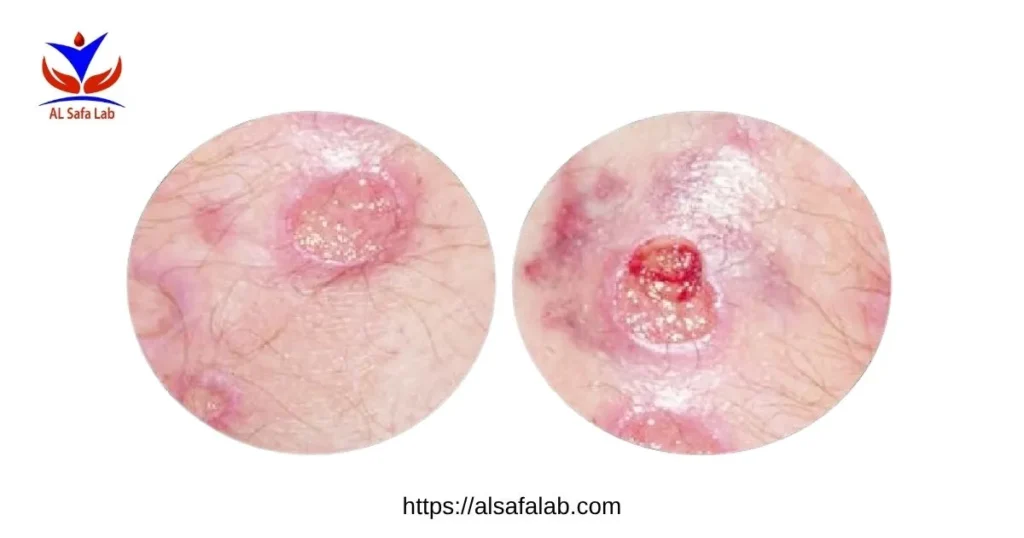
What Are the Symptoms of Chancroid?
The most characteristic sign of chancroid is a painful genital ulcer with soft, ragged edges. However, the appearance of the symptoms and the number of ulcers can vary between individuals.
Early Symptoms
The infection may initially cause:
- A small, red, painful bump or pimple.
- A pus-filled blister or pustule.
- Pain or tenderness when the affected area is touched.
- Rapid progression of the lesion into an open ulcer.
Appearance of a Chancroid Ulcer
Chancroid ulcers typically have the following characteristics:
- They are noticeably painful.
- They have soft, irregular, ragged, or eroded edges.
- They may contain discharge or pus.
- They may bleed easily when touched or rubbed.
- They may increase in size, and several ulcers may merge.
- They may cause deeper tissue damage if treatment is delayed.
A person may develop a single ulcer or several ulcers at the same time.
Swollen Lymph Nodes
The infection may cause painful enlargement of the lymph nodes in the groin. The swollen nodes may join together and form a pus-filled mass known as a bubo or lymph node abscess.
In some cases, the skin over the swelling becomes red and shiny. The abscess may eventually rupture and release pus. However, this symptom does not occur in every patient. According to guidance from the Centers for Disease Control and Prevention, inguinal lymphadenitis occurs in fewer than half of all cases.
Other Possible Symptoms
Additional symptoms of chancroid may include:
- Pain or a burning sensation during urination.
- Pain during sexual intercourse.
- Discharge or pus from the ulcer.
- Minor bleeding when the ulcer is rubbed or irritated.
- Difficulty walking, moving, or sitting because of pain.
- Redness and swelling around the ulcer.
Where Do Chancroid Ulcers Appear?
Chancroid ulcers may appear on any area that has been exposed to the bacterium. The most common sites are the genitals and the area surrounding the anus.
Common Sites in Men
Ulcers may appear on:
- The glans penis.
- The shaft of the penis.
- The foreskin.
- The opening of the urethra.
- The scrotum.
- The area surrounding the anus.
Common Sites in Women
Ulcers may appear on:
- The labia majora or labia minora.
- The area between the vagina and anus.
- Inside the vagina in some cases.
- The inner thighs.
- The area surrounding the anus.
Some ulcers in women may be internal or less visible. As a result, the infection may not be detected until the patient develops pain during urination or sexual intercourse, or undergoes a medical examination.
How Can Chancroid Be Distinguished from Syphilis and Herpes?
The appearance of an ulcer alone cannot provide a definitive diagnosis. Sexually transmitted infections may produce similar symptoms, and a person may have more than one infection at the same time.
However, the following features may help distinguish between chancroid, syphilis, and genital herpes.
1. Chancroid
A chancroid ulcer is usually:
- Painful.
- Soft, with irregular or ragged edges.
- Associated with discharge or pus.
- Accompanied by painful swelling of the lymph nodes in the groin.
2. Syphilitic Chancre
The ulcer that develops during primary syphilis is usually:
- Relatively firm.
- Round.
- Painless in most cases.
- Capable of disappearing without treatment, although the infection remains in the body and progresses to later stages.
3. Genital Herpes Ulcers
Genital herpes usually begins as:
- Small blisters or clusters of fluid-filled vesicles.
- Blisters that rupture and develop into painful ulcers.
- A first outbreak that may be accompanied by flu-like symptoms.
- Recurrent outbreaks, because the herpes virus remains in the body.
These differences may help a healthcare professional form an initial clinical impression. However, they cannot replace appropriate testing for chancroid. Diagnosing genital ulcers solely on the basis of medical history and visual examination may be inaccurate.
How Is Chancroid Diagnosed?
Diagnosis begins with questions about the patient’s symptoms, sexual history, and travel to regions where the infection is more common. The healthcare professional will then examine the ulcer and the lymph nodes in the groin.
The following tests may be requested:
1. Swab of the Chancroid Ulcer
Chancroid Test is a sample of discharge or fluid is collected from the edge of the ulcer and tested for Haemophilus ducreyi.
2. Nucleic Acid Amplification Testing
Nucleic acid amplification tests, including NAAT or PCR tests, may be used to detect the bacterium’s genetic material.
3. Bacterial Culture
A sample from the ulcer may be placed in a specialized culture medium to allow the bacteria to grow. However, the required laboratory media are not available in many laboratories, and the sensitivity of culture testing may be below 80%.
4. Testing for Syphilis
A syphilis test is usually performed. The healthcare professional may need to repeat the test if it was carried out too soon after the ulcer appeared.
5. Testing for Herpes
A swab may be taken from the ulcer to test for herpes simplex virus type 1 or type 2.
6. HIV Testing
World Health Organization guidance recommends HIV testing when chancroid is diagnosed or when a genital ulcer has no clearly identified cause. Open genital ulcers may increase the likelihood of acquiring or transmitting HIV.
Book Easily Your: STD Plus Package (Advanced Sexual Health Screening)
Is There a Home Test for Chancroid?
There is no routine home test that can reliably confirm chancroid. Diagnosis requires a medical examination and, when available, a swab from the ulcer. Additional tests are also needed to rule out syphilis, herpes, and HIV.
For this reason, antibiotics or topical creams should not be used solely on the basis of a photograph of the ulcer or the reported symptoms.
Chancroid Treatment
Chancroid can be treated with antibiotics. Appropriate treatment eliminates the infection, relieves symptoms, and reduces the likelihood of transmission to others.
The healthcare professional will select the appropriate medication and dosage according to the patient’s condition, medication allergies, and the possibility of bacterial resistance to certain antibiotics.
Treatment of a Lymph Node Abscess
If a painful abscess develops in the lymph nodes, the healthcare professional may need to:
- Drain the pus using a sterile needle.
- Make a small incision and drain the abscess.
- Continue antibiotic treatment.
Patients should never attempt to open or drain an abscess at home, as this may spread the infection or cause an additional infection.
When Does Improvement Begin After Chancroid Treatment?
Patients should be re-examined within 3 to 7 days after starting treatment.
When treatment is successful, pain and other symptoms usually begin to improve within approximately three days. A noticeable improvement in the appearance of the ulcer is generally seen within about seven days.
Large chancroid ulcers may take more than two weeks to heal completely. Swollen lymph nodes may require a longer recovery period or medical drainage.
Should Sexual Partners Be Treated?
Yes. Anyone who had sexual contact with the infected person during the 10 days before symptoms appeared should be examined and treated, even if they have no visible ulcers or other symptoms.
All forms of sexual contact should be avoided until:
- Treatment has been completed.
- The ulcers have healed.
- Pain and discharge have resolved.
- Sexual partners have been examined and treated when necessary.
These measures help prevent transmission and reduce the risk of reinfection after treatment.
What Are the Complications of Chancroid?
Some ulcers may heal spontaneously. However, leaving the infection untreated increases the risk of complications, including:
- Painful abscesses in the lymph nodes.
- Scarring of the genital area.
- Tissue destruction in advanced cases.
- Narrowing of the urethra.
- The development of a fistula between the skin and nearby organs or tissues.
- Spread of the infection to other areas of the skin.
- An increased risk of acquiring or transmitting HIV.
Some scars or fistulas may remain even after the bacteria have been eliminated, particularly when treatment begins at an advanced stage.
Chancroid and HIV
Open genital ulcers can make it easier for HIV to enter the body. They may also increase the likelihood of HIV transmission from an infected person to others.
People living with HIV may require closer medical monitoring because their response to treatment may be slower. Their ulcers may take longer to heal, and they may require a longer course of treatment.
Chancroid During Pregnancy
Pregnant or breastfeeding women should not take any antibiotic without consulting a healthcare professional.
The healthcare professional will choose the safest treatment according to the stage of pregnancy and the patient’s overall health, while avoiding medications that are unsuitable during pregnancy or breastfeeding.
Appropriate tests should also be performed to rule out other sexually transmitted infections, particularly syphilis and HIV.
How to Prevent Chancroid
The risk of acquiring or transmitting chancroid can be reduced by:
- Using condoms correctly during every sexual encounter.
- Avoiding sexual contact when an ulcer, rash, or abnormal discharge is present.
- Avoiding direct contact with ulcers or the fluids they produce.
- Undergoing sexually transmitted infection testing when risk factors are present.
- Getting tested before beginning a new sexual relationship.
- Maintaining a mutually monogamous relationship with a partner who has been tested.
- Informing sexual partners when a sexually transmitted infection is diagnosed.
- Completing the prescribed treatment rather than stopping when the pain improves.
Condoms reduce the risk of transmission but may not provide complete protection if the ulcer is located in an area that the condom does not cover.
When Should You See a Healthcare Professional?
Medical assessment should be sought if any of the following symptoms occur:
- A painful ulcer or pimple on the genitals.
- An ulcer around the anus or in the mouth after sexual contact.
- Painful swelling or a lump in the groin.
- Pus or bleeding from a genital ulcer.
- Severe pain during urination or sexual intercourse.
- Symptoms in a sexual partner.
- An ulcer that does not heal or continues to increase in size.
- A genital ulcer that develops during pregnancy.
Frequently Asked Questions
Is Chancroid Dangerous?
Chancroid can be successfully treated when it is detected early. However, delayed treatment may lead to abscesses, scarring, and tissue damage. It can also increase the risk of acquiring or transmitting HIV.
Is Chancroid Contagious?
Yes. Chancroid is usually transmitted through sexual contact or direct contact with infectious discharge from an ulcer.
Can Chancroid Be Completely Cured?
Yes. Appropriate antibiotics can eliminate the bacteria and cure the infection. However, treatment does not provide lasting immunity, which means a person can become infected again after exposure to someone carrying the bacterium.
Can Chancroid Disappear Without Treatment?
Some ulcers may heal spontaneously within several weeks. However, the infection may remain transmissible during this period, and the risk of abscesses and scarring may increase. Therefore, patients should not wait for the ulcer to disappear without medical treatment.
Is Chancroid Painful?
Yes. Pain is one of the most common features of chancroid, unlike a primary syphilitic chancre, which is usually painless.
Can Chancroid Return After Treatment?
A person can become infected again after being re-exposed to the bacterium, particularly if their sexual partner has not been examined or treated.
Does Every Genital Ulcer Mean Chancroid?
No. Genital ulcers may result from herpes, syphilis, skin injuries, inflammatory conditions, or other causes. More than one infection may also be present at the same time. Therefore, a medical examination and appropriate laboratory tests are necessary.