Helicobacter Pylori | Symptoms, Testing, and Treatment
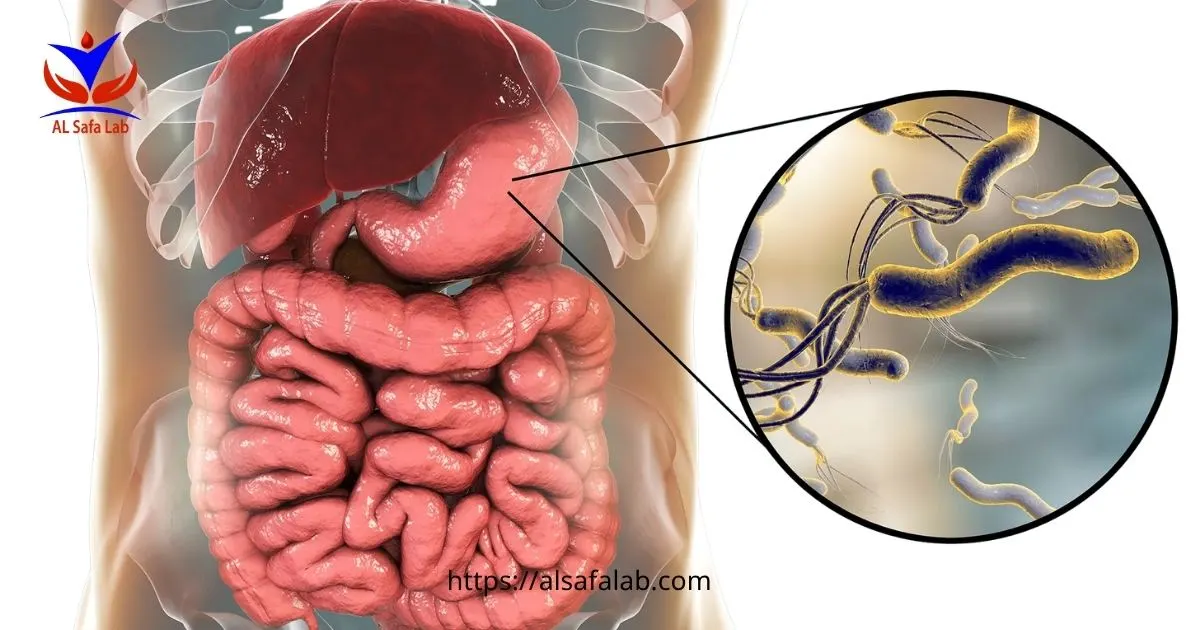
Helicobacter pylori is a common bacterium that infects the stomach lining and can cause chronic gastritis, peptic ulcers, and in rare cases, increase the risk of stomach cancer. Many people with H. pylori infection experience mild or no symptoms, making early detection through proper testing essential.
This guide covers the most accurate diagnostic tests, typical symptoms, preparation for testing, treatment options, and prevention strategies for helicobacter-pylori infection.
What Is Helicobacter Pylori?
Helicobacter pylori (H. pylori) is a spiral-shaped bacterium that colonizes the stomach lining. It is one of the main causes of:
- Gastric and duodenal ulcers
- Chronic gastritis
- Increased risk of gastric cancer
pylori infections may go unnoticed in many cases, but even asymptomatic carriers can transmit the infection to others.
Transmission and Risk Factors
- pylori is primarily transmitted through:
- Contaminated food or water
- Direct contact with saliva or other bodily fluids of an infected person
- Poor hygiene in food handling
It is not typically spread through casual contact, such as sharing utensils or toilets.
Symptoms of Helicobacter Pylori Infection
Symptoms may vary, and some people remain asymptomatic. Common signs include:
- Persistent stomach pain or burning sensation
- Nausea, bloating, or vomiting
- Loss of appetite or unintended weight loss
- Black or tarry stools (possible bleeding ulcers)
- Frequent belching
- Early satiety or discomfort after small meals
When to Get Tested for H. pylori
H. pylori Test is recommended if you experience any of the following:
- Persistent digestive discomfort or stomach pain
- Symptoms suggestive of ulcers or gastritis
- Family history of H. pylori infection
- Before starting treatment for peptic ulcer disease
Types of Helicobacter Pylori Tests
Several tests are available to detect H. pylori infection:
Stool Antigen Test
Detects bacterial antigens in stool and is highly accurate for diagnosing active infections and post-treatment follow-up.
Blood Antibody Test
Detects antibodies to H. pylori, but cannot differentiate between past and current infections.
Urea Breath Test
H. Pylori Breath Test A non-invasive and highly precise test where patients ingest a urea solution; if H. pylori is present, it releases measurable carbon dioxide in the breath.
Endoscopy with Biopsy
Used in complex or treatment-resistant cases. A tissue sample is taken from the stomach lining for microscopic examination or bacterial culture.
Understanding H. pylori Test Results
- Positive Result: Confirms the presence of H. pylori, indicating possible gastritis or ulcer disease.
- Negative Result: No active infection detected; however, retesting may be necessary if symptoms persist.
- Test Type Matters: Blood antibody tests may remain positive after treatment, while stool and breath tests reflect current infection more accurately.
Follow-up: A physician interprets results in the context of overall health and determines whether immediate treatment or further testing is required.
Preparing for the Helicobacter Pylori Test
Proper preparation ensures accurate results:
- Fasting: Avoid food and drinks as instructed for breath tests.
- Medication Restrictions: Stop antibiotics and proton pump inhibitors before testing as advised.
- Inform Your Doctor: Share medications and medical history for test accuracy.
- Avoid Smoking and Caffeine: Particularly before breath tests.
- Follow Specific Instructions: Each test (stool, blood, breath) has unique preparation steps.
Treatment and Prevention
Treatment After a Positive H. pylori Test
- Consult a physician for tailored antibiotic therapy, often triple or quadruple therapy.
- Strictly follow prescribed medications to prevent resistance.
- Monitor symptoms and report any changes.
- Retest after completion of therapy to confirm eradication.
Prevention Tips
- Practice good hygiene and safe food handling.
- Treat all infected family members or partners if needed.
- Follow prescribed treatment completely to prevent recurrence.
Frequently Asked Questions (FAQ)
Is the H. pylori test painful?
Most tests, such as stool or breath tests, are non-invasive and painless. Endoscopy may require mild sedation.
Can H. pylori be cured?
Yes. When diagnosed and treated properly, H. pylori can be completely eradicated.
When will I receive results?
Breath and stool tests: typically 1–2 days. Endoscopic biopsy: longer processing time.
Should the test be repeated after treatment?
Yes. Post-treatment testing confirms successful eradication and prevents reinfection.
References