
Everything You Need to Know About kidney function tests
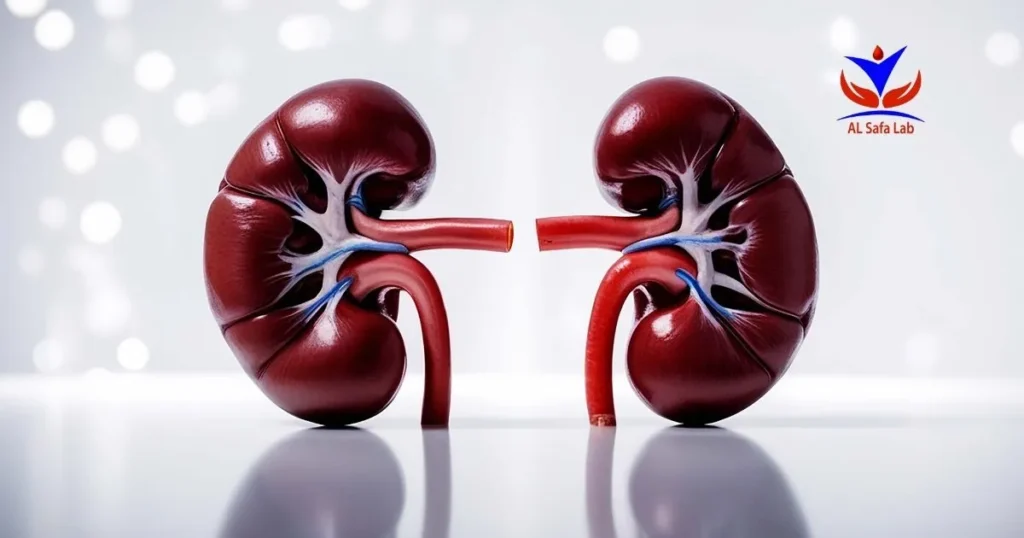
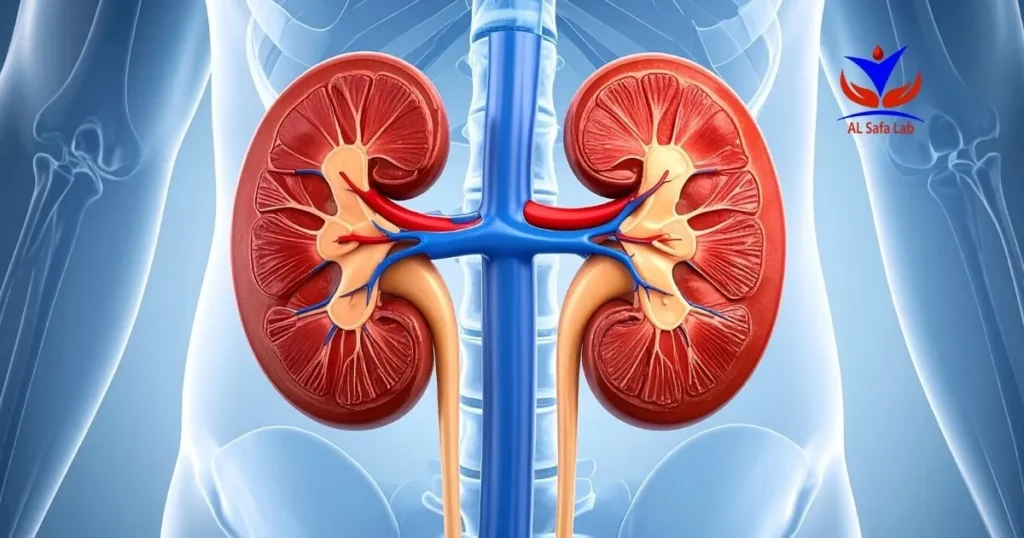
The kidneys are among the most vital organs in the human body. They are responsible for filtering toxins from the blood, regulating fluid and electrolyte balance, and contributing to the production of essential hormones. To ensure kidney health, kidney function tests are considered one of the fundamental medical examinations recommended by physicians on a regular basis, especially for individuals with chronic conditions such as diabetes and hypertension.
What Is a Kidney Function Test?
A kidney function test is a group of laboratory investigations designed to evaluate how efficiently the kidneys perform their vital functions.
These tests typically include several blood and urine analyses that measure specific substances reflecting kidney health and the organ’s ability to eliminate waste products from the body.
Key Tests Included in Kidney Function Assessment
Creatinine Test
Creatinine is a waste product resulting from normal muscle metabolism.
Elevated creatinine levels usually indicate impaired kidney function.
Blood Urea Nitrogen (BUN)
This test measures the amount of urea in the blood, which is produced from protein breakdown.
High BUN levels may indicate kidney dysfunction or dehydration.
Glomerular Filtration Rate (GFR)
GFR is considered the most accurate indicator of kidney function.
It measures the kidneys’ ability to filter waste from the blood.
A decreased GFR suggests reduced kidney function.
Urine Tests
Urinalysis can detect the presence of protein or blood in the urine, which may indicate underlying kidney problems.
Electrolytes Test
This test measures levels of sodium, potassium, calcium, and phosphorus in the blood.
Any imbalance in these electrolytes may reflect kidney dysfunction.
Importance of Kidney Function Tests
Undergoing kidney function testing provides significant health benefits, including:
- Early detection of kidney disease: Many kidney disorders remain asymptomatic in their early stages.
- Monitoring treatment effectiveness: For patients with diabetes or hypertension, these tests help assess how treatments are affecting kidney health.
- Prevention of complications: Delayed diagnosis may lead to kidney failure or the need for dialysis.
When Is a Kidney Function Test Recommended?
Physicians typically recommend kidney function testing in the following situations:
- A family history of kidney disease
- Diagnosis of hypertension or diabetes
- Symptoms such as leg swelling, severe fatigue, or changes in urine color
- As part of routine health checkups for adults, especially after the age of 40
How to Prepare for a Kidney Function Test
- Fasting: Some tests require fasting for 8–12 hours before blood collection.
- Medication adjustment: Your doctor may advise stopping certain medications that could affect test results.
- Hydration: Adequate fluid intake is important unless otherwise instructed by your physician.
Understanding Kidney Function Test Results
Interpreting test results helps assess kidney health; however, results should always be reviewed by a healthcare professional. In general:
| Test | Normal Range | Notes |
| Creatinine (Men) | 0.7–1.3 mg/dL | Elevated levels suggest kidney impairment |
| Creatinine (Women) | 0.6–1.1 mg/dL | Elevated levels suggest kidney impairment |
| Urea (BUN) | 7–20 mg/dL | May increase due to kidney issues or dehydration |
| GFR | >90 mL/min/1.73m² | Lower values indicate kidney dysfunction |
| Urine Protein | <150 mg/24h | Increased levels suggest kidney damage |
Booking and Performing Kidney Function Tests
You can easily undergo kidney function testing at Al Safa Medical Laboratories, one of the most trusted laboratories in Egypt. The lab offers advance booking via phone or online to save time and ensure fast, accurate results. Home visit services and result delivery via WhatsApp are also available.
What Are the Names of Kidney Function Tests?
Kidney function tests include a range of laboratory investigations used to assess the kidneys’ ability to filter blood and regulate fluids and electrolytes.
Blood Tests
- Creatinine
- Urea / Blood Urea Nitrogen (BUN)
- Glomerular Filtration Rate (GFR or eGFR)
- Uric Acid
- Sodium (Na)
- Potassium (K)
- Chloride
- Bicarbonate (CO₂ / HCO₃)
Urine Tests
- Complete Urinalysis
- Albumin-to-Creatinine Ratio (ACR)
- Urine Albumin
- Urine Protein
- 24-hour urine collection for protein or creatinine measurement
Additional Tests (When Needed)
- Calcium and phosphorus levels
- Cystatin C test
- Urinary sodium and potassium levels
How Do I Know If My Kidney Function Test Is Normal?
Kidney function is considered normal when the following criteria are met:
- Creatinine levels within the normal range for age and sex
- Estimated GFR (eGFR) greater than 90 mL/min
- Blood urea nitrogen (BUN) within normal limits
- Normal urinalysis with no protein or blood
- Electrolytes (sodium and potassium) within normal ranges
Important Note: Persistent abnormalities in these values require early evaluation and consultation with a specialist to determine the underlying cause.
What Is the Cost of a Kidney Function Test?
The cost varies depending on the required tests. Therefore, the laboratory offers a comprehensive kidney function test package that includes multiple investigations to ensure reassurance, accuracy, and cost-effectiveness.
How Long Does a Kidney Function Test Take?
Kidney function testing does not take long. Blood sample collection usually takes 5–10 minutes, while result turnaround times depend on the test type:
- Blood tests (Creatinine, Urea, eGFR): 2–6 hours
- Urine analysis: 1–2 hours
- Results are often available the same day or within 24 hours
- Advanced tests, such as 24-hour urine collection, may require additional time for accuracy
Tips for Maintaining Kidney Health
- Drink adequate amounts of water daily to help flush toxins from the blood
- Follow a healthy diet low in sodium and unhealthy fats
- Exercise regularly to improve blood circulation
- Avoid smoking and alcohol, as they increase kidney strain
- Undergo regular medical follow-up, especially if risk factors are present
Frequently Asked Questions About Kidney Function Tests
What are the main tests used to check kidney function?
The main tests are serum creatinine with estimated glomerular filtration rate (eGFR) and the urine albumin-to-creatinine ratio (uACR). Together, they assess kidney filtration and detect kidney damage.
What is a good eGFR for my age?
An eGFR of 90 or higher is generally considered normal, although eGFR naturally decreases with age. A result below 60 for three months or longer may indicate chronic kidney disease.
What are LFT and RFT tests?
LFT stands for liver function tests and measures markers such as liver enzymes, bilirubin, and proteins. RFT stands for renal function tests and commonly includes creatinine, eGFR, urea or BUN, electrolytes, and urine testing; the exact panel may vary by laboratory.
Do kidney function tests require fasting?
Fasting is usually unnecessary for an isolated BUN or urine test. However, fasting may be required when kidney tests are included in a basic or comprehensive metabolic panel, so follow the laboratory’s instructions.
References