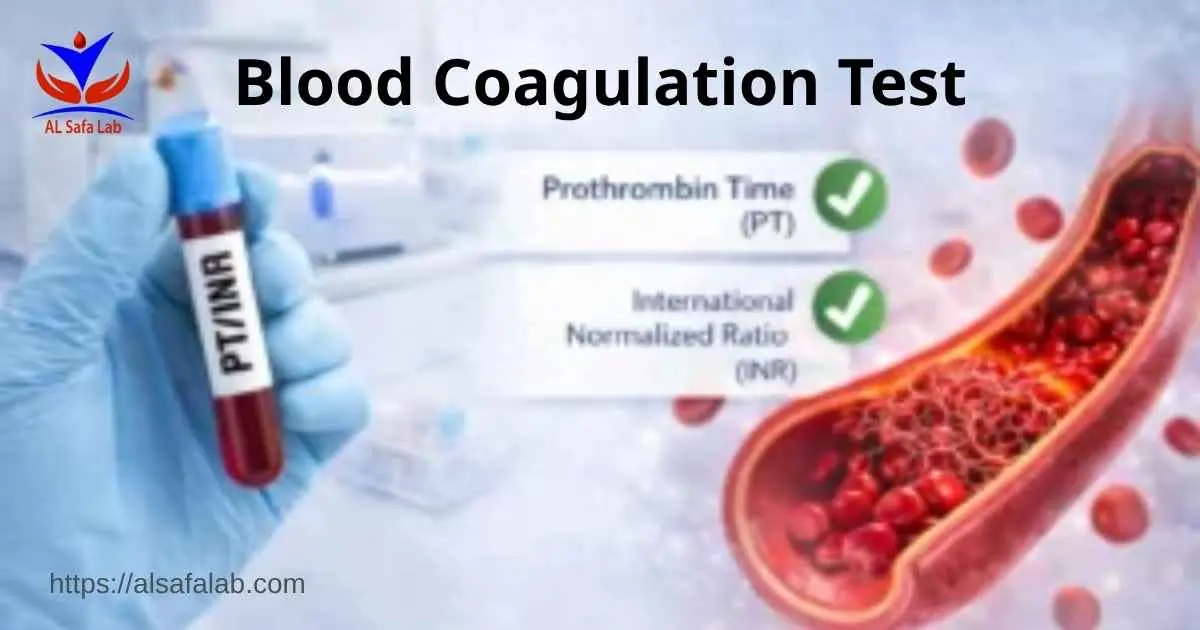
Blood Coagulation Test | Results, Normal Range & Risks
The Blood Coagulation Test (also known as Blood Clotting Test) is one of the most important medical laboratory tests requested by physicians to assess the blood’s ability to clot or remain fluid. It is a fundamental test before surgical procedures, during the management of cardiovascular diseases and thrombotic disorders, and for monitoring patients who are taking anticoagulant medications.
In this article, we explain everything you need to know about the blood coagulation test, its different types, how to interpret the results, and what the findings indicate clinically.
Importance of the Blood Coagulation Test
Under normal conditions, blood flows smoothly through blood vessels to supply all organs and tissues with oxygen and nutrients. However, when abnormal blood clotting (thrombosis) occurs inside the vessels, serious complications may develop. These clots can travel to vital organs such as the brain, heart, or lungs, leading to life-threatening conditions including:
- Stroke
- Myocardial infarction (heart attack)
- Pulmonary embolism
On the other hand, when blood becomes excessively thin (increased anticoagulation), the risk of bleeding increases, which is also considered dangerous.
Therefore, the blood coagulation test is essential as it measures:
- The blood’s ability to clot
- The speed of coagulation
- The balance between clotting and bleeding
- The function of clotting factors and plasma proteins
What Are Blood Coagulation Tests?
Blood coagulation tests are a group of laboratory investigations that aim to:
- Measure the clotting time of blood
- Assess the efficiency of clotting factors
- Determine whether the blood is too thick or too thin
These tests help physicians to:
- Diagnose bleeding disorders
- Monitor patients with thrombotic diseases
- Adjust anticoagulant drug dosages
- Reduce the risk of excessive bleeding or clot formation
Book Your Blood Coagulation Test at Home Now
Reassure yourself about your health and book your blood coagulation test at home today. At Al Safa Medical Laboratory, we provide a team of highly trained and qualified laboratory specialists, along with a professional home visit service designed to ensure patient comfort and deliver high-quality medical care.
Our services include all types of medical laboratory tests, especially the blood coagulation test, which is considered one of the essential investigations when blood clotting or bleeding disorders are suspected.
In addition, Al Safa Lab offers a comprehensive blood coagulation test package to help you monitor your health and detect coagulation disorders early, before serious complications such as thrombosis or excessive bleeding occur.

When Is a Blood Coagulation Test Requested?
Physicians usually request a blood coagulation test in the following situations:
- Before surgical procedures
- In cases of unexplained bleeding
- Recurrent blood clots
- Follow-up of heart disease patients
- During treatment with anticoagulants such as Warfarin
- High-risk pregnancy cases
- Suspected liver disease
Types of Blood Coagulation Tests
1. Prothrombin Time (PT)
The Prothrombin Time (PT) test is commonly used to monitor:
- Patients with liver disease
- Patients with clotting disorders
- Patients taking anticoagulant therapy
It measures:
- The time required for blood to clot
- The efficiency of certain clotting factors
2. International Normalized Ratio (INR)
The INR is one of the most important coagulation tests and is mainly used to adjust anticoagulant dosage.
- Normal range: 0.8 – 1.2
- For patients with heart valve replacement or thrombosis:
Target INR is usually 2.0 – 3.0
⚠️ A high INR indicates an increased risk of bleeding, while a low INR indicates an increased risk of clot formation.
3. Partial Thromboplastin Time (PTT)
The PTT test is usually performed alongside PT to provide a complete picture of blood coagulation. It measures:
- The efficiency of another pathway of clotting factors
- It is mainly used in unexplained bleeding disorders
4. Platelet Count
Platelets play a crucial role in blood clotting.
- Low platelet count: increases bleeding risk
- High platelet count: increases clotting risk

Normal Values of Blood Coagulation Tests
Reference values may vary slightly between laboratories, but generally:
- PT: 11 – 13.5 seconds
- INR: 0.8 – 1.2
- PTT: 25 – 35 seconds
- Platelet count: 150,000 – 450,000 /µL
⚠️ Results should always be interpreted by a physician, not based on numbers alone.
What Does Increased Blood Coagulation (High INR) Mean?
Increased blood coagulation means that blood clots slowly, which raises the risk of bleeding.
Causes of Increased Blood Coagulation:
- Overdose of anticoagulant medications
- Liver diseases
- Vitamin K deficiency
- Genetic clotting disorders
- Malnutrition
- Liver failure
Symptoms of Increased Blood Coagulation:
- Frequent nosebleeds
- Easy bruising
- Bleeding gums
- Blood in urine or stool
- Heavy menstrual bleeding
What Does Decreased Blood Coagulation Mean?
Decreased coagulation means faster clotting, which increases the risk of thrombosis.
Causes of Decreased Blood Coagulation:
- Dehydration
- Smoking
- Obesity
- Pregnancy
- Genetic disorders
- Prolonged immobility
Risks of Decreased Blood Coagulation:
- Venous thrombosis
- Myocardial infarction
- Ischemic stroke
Blood Coagulation Test During Pregnancy
The blood coagulation test is extremely important during pregnancy, especially for:
- Women with recurrent miscarriages
- Family history of thrombosis
- Preeclampsia
Importance During Pregnancy
Abnormal coagulation levels may affect:
- Maternal health
- Blood supply to the placenta
- Fetal growth and development
Monitoring blood coagulation helps prevent serious complications for both mother and fetus.

Blood Coagulation Test Before Surgery
The test is mandatory before surgery to avoid:
- Excessive intraoperative bleeding
- Delayed wound healing
- Serious surgical complications
In some cases:
- Anticoagulants are temporarily stopped
- Dosages are adjusted under medical supervision
Can Blood Coagulation Be Controlled?
Yes, blood coagulation can be regulated through:
1. Medical Treatment
- Anticoagulant medications
- Accurate dosage adjustment
- Regular laboratory monitoring
2. Nutrition
- Moderate intake of Vitamin K
- Adequate hydration
- Reduced saturated fats
3. Lifestyle
- Regular physical activity
- Smoking cessation
- Weight management
Frequently Asked Questions
What is the blood test for coagulation?
A blood coagulation test measures how well the blood can form clots and how long the clotting process takes. Doctors may request it to evaluate unexplained bleeding, clotting problems, liver-related concerns, or to monitor patients taking blood-thinning medications.
What is PT, PTT, and INR?
PT checks the time needed for blood to clot through one clotting pathway, while PTT or aPTT evaluates another part of the clotting system. INR is a standardized value calculated from PT, commonly used to monitor patients taking warfarin.
What happens if coagulation is high?
The meaning depends on the specific test result. A high PT/INR or prolonged PTT may mean the blood is taking longer than normal to clot, which can increase bleeding risk. In other cases, excessive clotting activity may raise the risk of abnormal blood clots, so results should be reviewed by a doctor.
Does the blood coagulation test require fasting?
Usually no fasting is required, unless advised by your physician.
Is the blood coagulation test dangerous?
No, it is a safe and simple blood test, but it detects potentially serious conditions