DHT Benefits for Men and Its Role in Male Characteristics
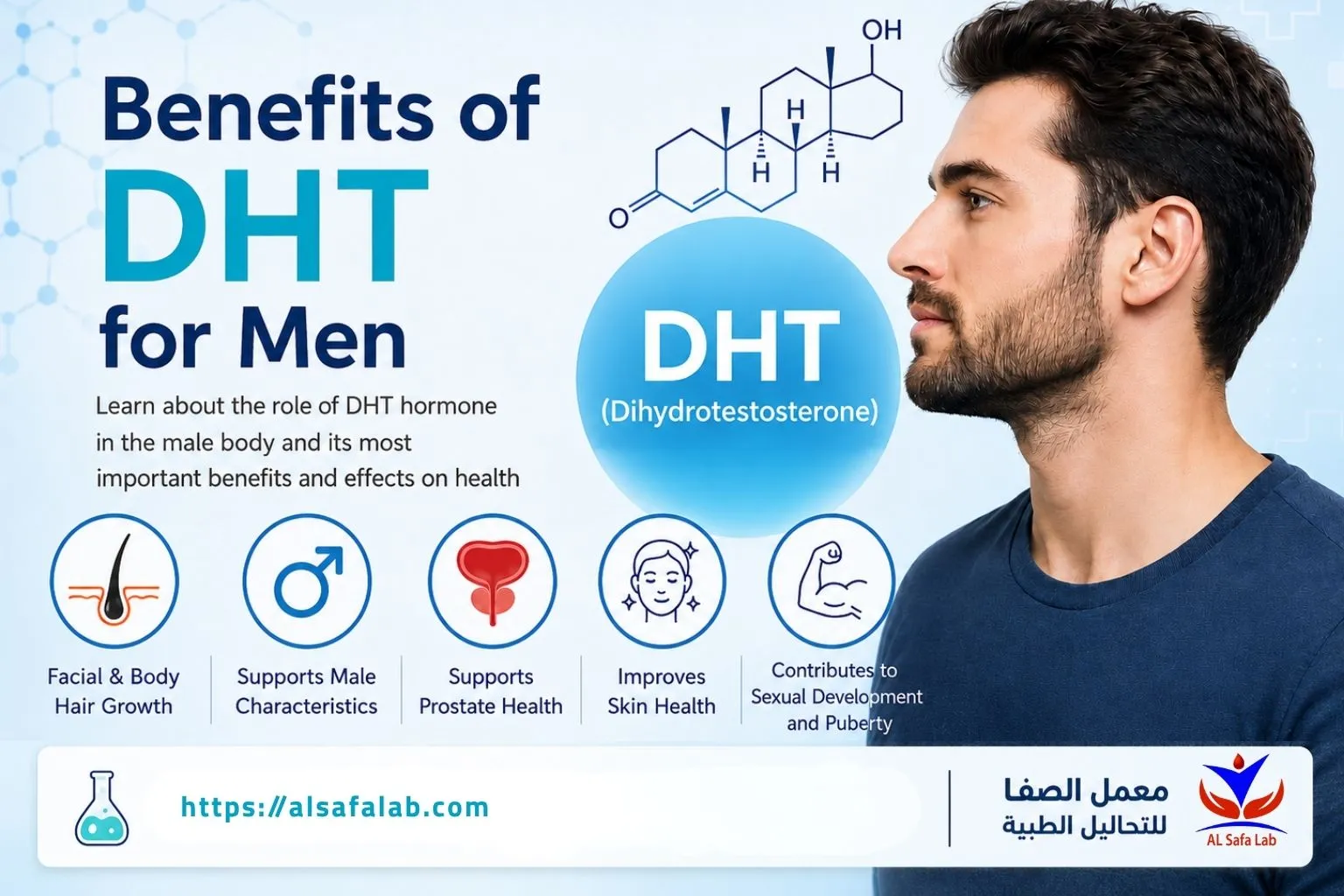
DHT benefits for men play an important role in male health, especially when it comes to beard and mustache growth, the development of male characteristics, and the health of the prostate and skin. Although DHT is commonly associated with hair loss, the full picture is more balanced. The issue is not always the presence of the hormone itself, but rather having higher-than-normal levels or increased tissue sensitivity to this hormone.
In this article, we explain what DHT hormone is, its most important benefits, how it is related to hair loss, and when you may need a DHT test or a more complete male hormone evaluation.
What Is DHT Hormone?
DHT, or dihydrotestosterone, is an active male hormone formed when part of testosterone is converted by an enzyme called 5-alpha reductase.
Its effect is especially noticeable in hair follicles, the skin, the prostate, and some tissues of the male reproductive system. This is why DHT is linked to facial and body hair growth, skin and prostate health, and may also play a role in hereditary hair loss in some men.
However, it is important to understand one key point: having DHT in the body is normal and necessary. Problems may occur when its effect becomes excessive in certain tissues, or when hair follicles or prostate tissue are more sensitive to it.
What Are the Benefits of DHT for Men?
The benefits of DHT are most noticeable during growth and puberty, but its influence may continue in certain body functions after puberty. The most important DHT benefits for men include:
1. Supporting the Development of Male Characteristics
DHT helps support the development of male characteristics, including male reproductive tissues and voice changes during puberty.
Low androgen activity in general may be associated with weaker development of some of these signs, especially if the hormonal imbalance occurs during early stages of growth.
2. Facial and Body Hair Growth
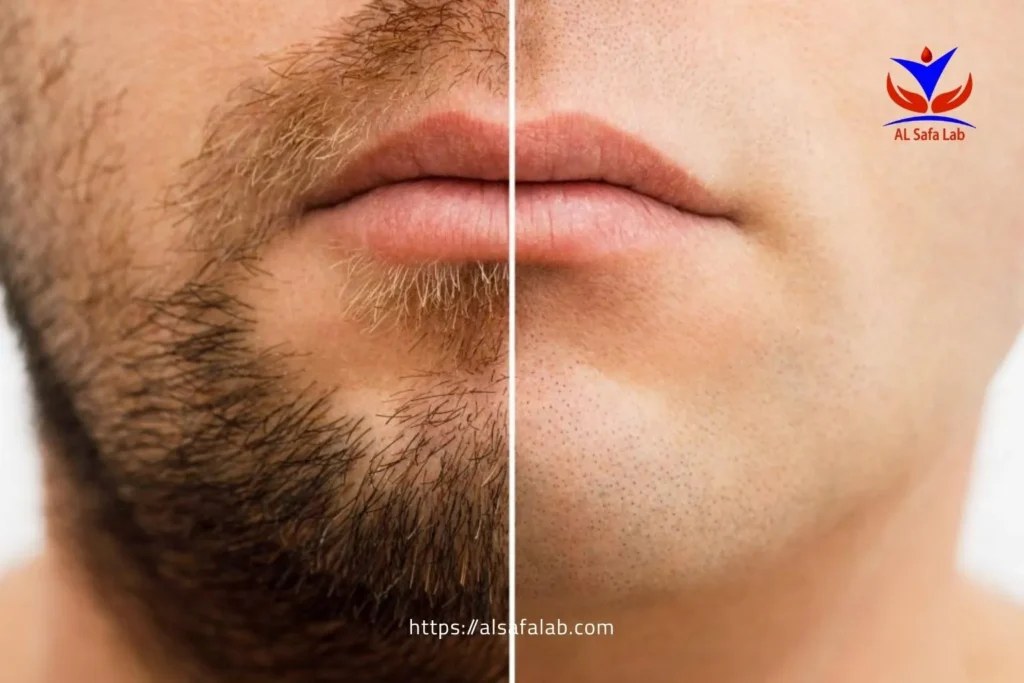
One of the most well-known DHT benefits for men is its role in stimulating facial and body hair growth, such as beard, mustache, and chest hair, particularly during puberty.
However, it is important to distinguish between its effect on body hair and scalp hair. DHT may support facial and body hair growth, while it may contribute to scalp hair loss in men who are genetically prone to male pattern baldness.
3. Supporting Some Prostate Functions
DHT is linked to prostate growth and function, and it has a natural role in prostate development. However, increased DHT activity inside prostate tissue may be associated with benign prostate enlargement in some men as they age.
Therefore, if you experience symptoms such as difficulty urinating, weak urine flow, or frequent urination at night, a DHT test alone may not be enough. A doctor may recommend a more complete prostate evaluation and related tests.
4. Effects on the Skin and Sebaceous Glands
DHT can stimulate the sebaceous glands in the skin. This effect is normal to a certain degree, but when it becomes excessive, it may be linked to oily skin or acne, especially on the face and back.
If acne is severe, recurrent, or accompanied by other hormonal symptoms, it may be helpful to consult a doctor and perform the appropriate tests.
5. Connection to Overall Male Hormonal Health
DHT does not work alone. Its levels and effects are influenced by testosterone, gland function, age, medications, general health, and genetics.
When evaluating male hormonal health, a doctor may request a group of tests, including total testosterone, free testosterone, DHT, SHBG, and other tests depending on the case.
Symptoms of High DHT in Men
Symptoms alone cannot confirm high DHT, because the same symptoms may be caused by other conditions. However, some signs may encourage a doctor to request a dihydrotestosterone test or other hormonal tests.
Possible signs linked to increased DHT activity may include:
- Male pattern hair loss, especially at the front or top of the scalp.
- Increased oily skin.
- Recurrent or severe acne.
- Increased body hair in some cases.
- Prostate-related symptoms, such as difficulty urinating or frequent urination at night.
Symptoms of Low DHT
Low DHT may occur for several reasons, including problems with testosterone production, difficulty converting testosterone into DHT, or using medications that affect the 5-alpha reductase enzyme.
Possible symptoms may include:
- Weak facial or body hair growth compared to age.
- Delayed or weak signs of puberty in males.
- Low sexual desire in some cases.
- General signs of low male hormones, especially if low testosterone is also present.
- Changes in energy or mood, while also considering other possible causes such as anemia, thyroid disorders, vitamin D deficiency, or chronic stress.
Read More About: Causes of Low Testosterone | Symptoms & When to Test
DHT and Hair Loss
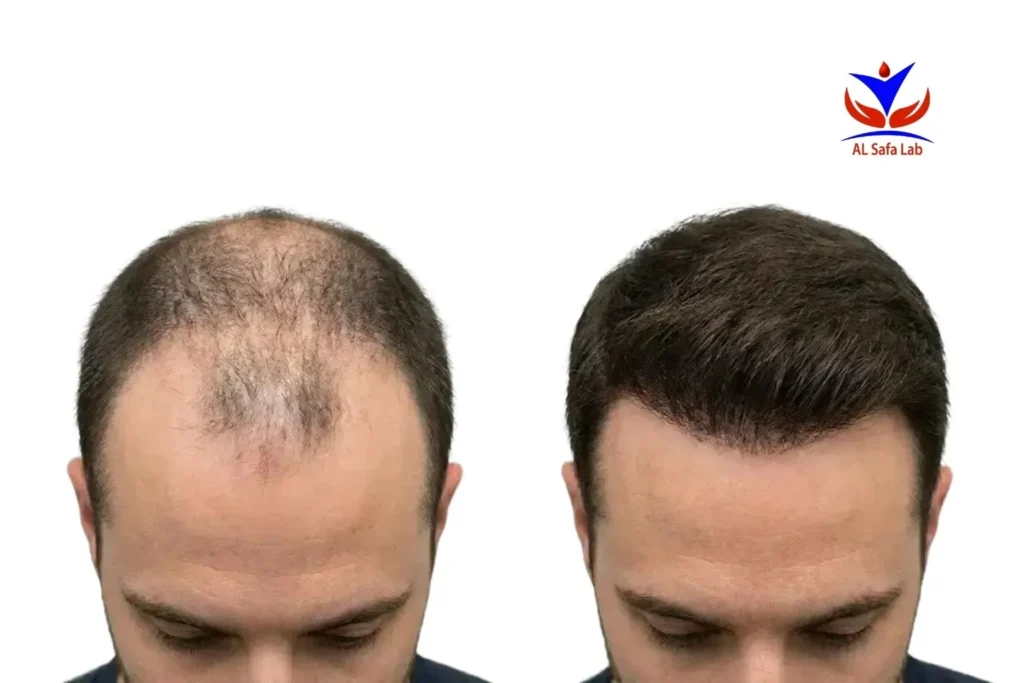
DHT is clearly linked to hereditary hair loss, also known as male pattern baldness. However, this does not mean that every man with normal DHT levels will experience hair loss.
In male pattern hair loss, hair follicles in the front or top of the scalp may become more sensitive to DHT. Over time, this may weaken the follicle, shorten the hair growth cycle, and lead to gradual hair thinning.
This is why the problem is not always the amount of DHT alone, but also how sensitive the hair follicles are to its effect.
When Do You Need a DHT Test?
A DHT test can help as part of a broader male hormone evaluation. A doctor may request it to better understand the case, especially in situations such as:
- Suspected male hormone imbalance.
- Severe or unusual acne.
- Evaluation of delayed puberty or sexual development concerns.
- Follow-up of some prostate-related conditions.
- Severe or early hair loss.
- Evaluation before or during certain hormonal treatments, according to medical advice.
For a more complete view of your hormonal health, Al Safa Lab provides male hormone testing packages that can help support your doctor’s medical evaluation.
Is High DHT Dangerous?
- High DHT or increased DHT activity in some tissues is not always directly dangerous. However, it may be associated with problems that require follow-up, such as hereditary hair loss, acne, or symptoms of benign prostate enlargement.
- The most important step is to evaluate the whole case, including symptoms, age, family history, medications, test results, and medical examination when needed.
- Therefore, when clear symptoms appear, testing can be a helpful step, but it does not replace medical consultation.
Read More About: How to Increase Testosterone Levels Fast | Proven Methods
Tips to Support Male Hormonal Balance
Maintaining healthy hormone balance does not depend on one supplement or a specific food. It is closely linked to lifestyle and overall health.
Helpful medical tips include:
- Getting regular, good-quality sleep.
- Practicing resistance training and moderate exercise.
- Maintaining a healthy weight.
- Eating a balanced diet rich in protein, vegetables, healthy fats, and minerals.
- Avoiding hormonal steroids without medical supervision.
- Managing chronic stress.
- Performing medical tests when symptoms persist instead of using random treatments.
Discover more insights in our related health guide: Sex hormone binding globulin (SHBG) test
DHT and Male Hormone Testing at Al Safa Lab
At Al Safa Lab, we help you understand your health through accurate testing and convenient service, especially when you need to evaluate male hormones or investigate possible causes of hair loss.
We provide:
- A full range of hormone tests, including the DHT test.
- Testing packages related to hair loss and male hormones.
- Home visit service for sample collection from your home or workplace.
- Clear results that help your doctor evaluate your condition more accurately.
- Full confidentiality when handling your personal data and test results.
- The ability to ask about the most suitable tests for your case before booking via WhatsApp.
،،You can contact us now to book the most suitable testing package for your condition‘‘
Frequently Asked Questions About DHT Benefits for Men
Does DHT Make You Stronger?
It cannot be said that DHT directly makes you stronger. However, it is one of the male hormones involved in puberty-related characteristics and facial and body hair growth. Muscle strength and physical energy are affected by many factors, including testosterone, nutrition, sleep, exercise, and overall health.
How Do You Know If DHT Is High?
Some symptoms may indicate the need for testing, such as excessive hair loss, recurrent acne, or prostate-related symptoms like difficulty urinating. To know your DHT level accurately, it is recommended to take a DHT test as part of a proper medical or hormonal evaluation.
What Is the Function of DHT Hormone?
The main function of DHT is to support certain male characteristics, especially during puberty, such as facial and body hair growth and the development of some male reproductive tissues. It also affects the skin, hair follicles, and prostate, which is why it is linked to male health. However, it may also contribute to hereditary hair loss in people whose hair follicles are genetically sensitive to it.
Does Zinc Block DHT?
Zinc may affect some hormone-related and enzyme-related processes in the body, but it should not be considered a direct or guaranteed treatment to block DHT. Zinc supplementation may be useful when there is a confirmed deficiency, but taking high doses without medical supervision may cause side effects. It is better to perform the necessary tests and consult a doctor before using supplements.
Does Dihydrotestosterone Become Useless After Puberty?
No, dihydrotestosterone does not become useless after puberty. It is more important during male sexual development, but after puberty it continues to affect certain tissues such as the skin, hair follicles, and prostate. Therefore, it remains part of male hormonal balance, and its levels and effects should stay within a healthy range.