

Anti-Sperm Antibodies: Causes and Effects on Fertility
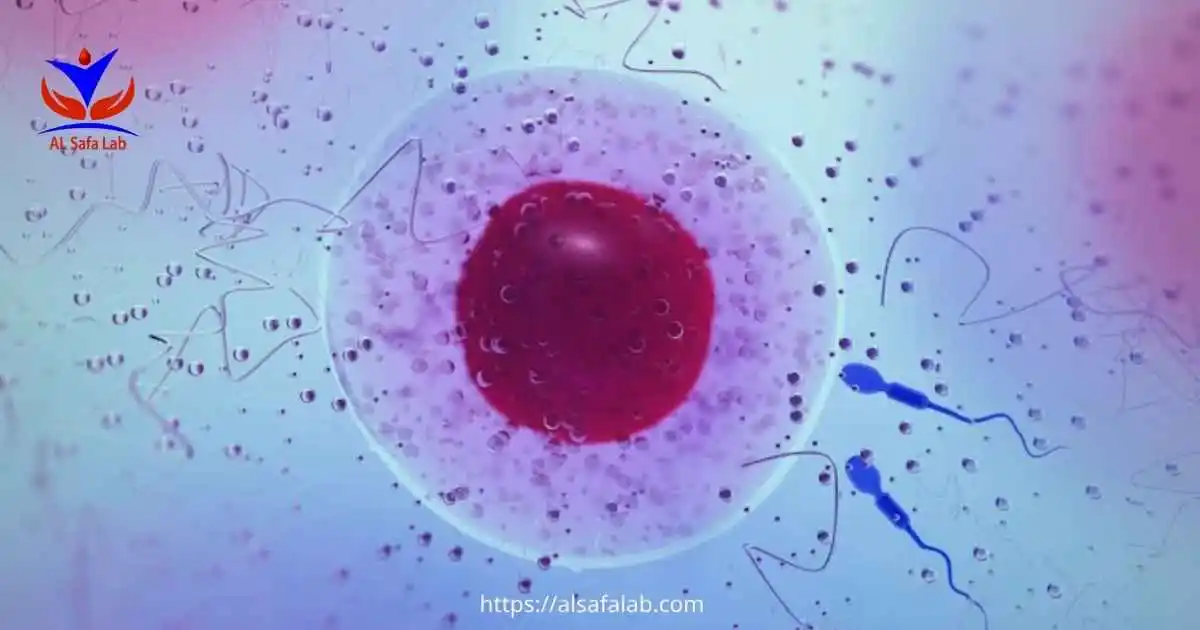
Anti-sperm antibodies are immune proteins that recognise and attach to sperm. In some cases, they may interfere with sperm movement or other functions involved in fertilisation.
Their effect varies from person to person, and their presence does not automatically mean infertility. Understanding how these antibodies develop and how they may affect sperm can make fertility investigations easier to understand.
What Are Anti-Sperm Antibodies?
The immune system normally protects the body from substances it recognises as foreign.
Sperm are usually separated from direct immune exposure by protective barriers within the male reproductive system. If this separation is disrupted, the immune system may recognise sperm proteins and produce antisperm antibodies against them.
These antibodies can attach to different parts of the sperm and may influence sperm function in different ways.
What Causes Anti-Sperm Antibodies?
There is not always one identifiable cause.
In men, sperm antibodies may develop after events that expose sperm to the immune system or disrupt the normal barriers of the reproductive tract.
Possible associations include:
- Vasectomy.
- Previous reproductive surgery.
- Testicular or genital injury.
- Obstruction within the reproductive tract.
- Some infections or inflammatory conditions affecting the reproductive system.
In some cases, anti-sperm antibodies may be detected without an obvious previous event.
How Can Anti-Sperm Antibodies Affect Sperm?
The effect depends on factors such as where the antibodies attach and how much sperm function is affected.
They may be associated with:
- Reduced sperm movement.
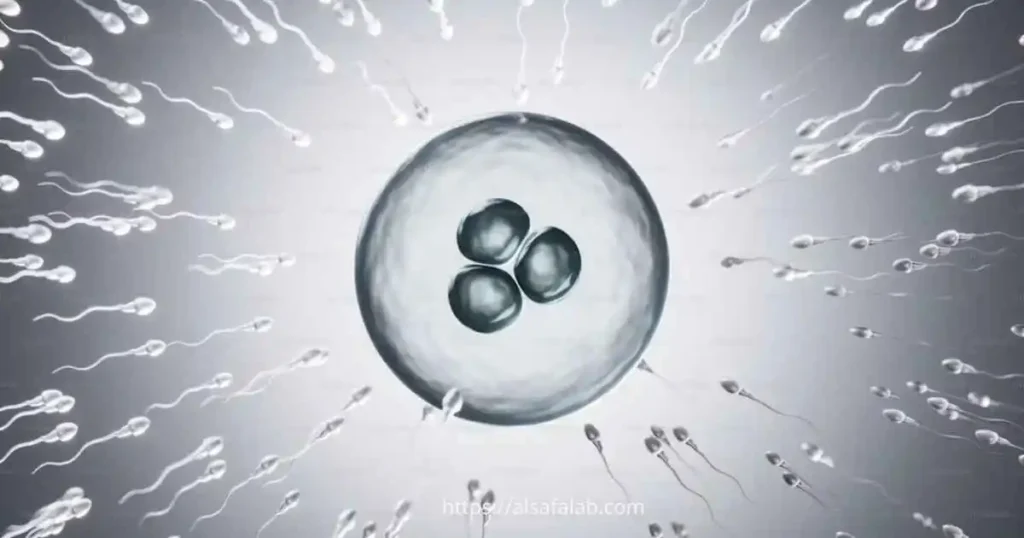
- Sperm sticking together, known as agglutination.
- Difficulty moving effectively through the female reproductive tract.
- Interference with some of the interactions needed between sperm and the egg.
Not everyone with anti-sperm antibodies will experience these effects.
Do Anti-Sperm Antibodies Cause Infertility?
Not necessarily.
The relationship between anti-sperm antibodies and infertility is complex. Some people with detectable antibodies may still conceive, while in other cases the antibodies may contribute to fertility difficulties.
Their significance can depend on:
- The amount of antibody present.
- Where the antibodies attach to sperm.
- Sperm concentration and motility.
- Other male fertility factors.
- Fertility factors affecting the female partner.
For this reason, anti-sperm antibodies are usually considered as one part of a wider fertility assessment.
Are There Symptoms of Anti-Sperm Antibodies?
- Anti-sperm antibodies usually do not cause a specific physical symptom that can be recognised without testing.
- They are more likely to become relevant during a fertility investigation when medical history or laboratory findings suggest that an immune-related sperm factor could be involved.
- Sperm agglutination, for example, may sometimes be seen during semen assessment, although it can also occur for other reasons.
Can Anti-Sperm Antibodies Affect Sperm Motility?
They may affect sperm movement in some cases.
Antibodies attached to sperm can interfere with normal movement or contribute to sperm sticking together. However, reduced motility can have many different causes, so it should not be assumed that anti-sperm antibodies are responsible based on motility alone.
If sperm concentration, motility and morphology need to be assessed, Computer-Assisted Semen Analysis (CASA) provides information about these semen parameters.
Who May Be More Likely to Develop Anti-Sperm Antibodies?
Certain situations may increase the possibility of sperm becoming exposed to the immune system.
These may include a history of:
- Vasectomy.
- Surgery involving the reproductive tract.
- Testicular or genital trauma.
- Obstruction affecting sperm transport.
- Some inflammatory or infectious conditions.
Having one of these factors does not mean that anti-sperm antibodies will necessarily develop.
How Are Anti-Sperm Antibodies Identified?
Sperm antibodies can be identified through laboratory testing using blood/serum or semen samples, depending on the type of investigation requested.
If testing has been recommended as part of your fertility assessment, you can find sample requirements, preparation and other practical details on our Anti-Sperm Antibody Test page.
Are Anti-Sperm Antibodies the Same as Sperm DNA Damage?
No. They involve different aspects of sperm health.
Anti-sperm antibodies are part of an immune response involving sperm, while sperm DNA fragmentation refers to damage within the genetic material carried by sperm.
If sperm DNA integrity needs to be assessed, the Semen DNA Fragmentation Test investigates this separately.
Are Anti-Sperm Antibodies a Genetic Problem?
Anti-sperm antibodies are an immune-related factor rather than the same type of problem investigated by genetic fertility tests.
For example, a Y Chromosome Microdeletion Test looks for specific genetic changes associated with impaired sperm production.
These investigations therefore answer different fertility questions.
What Happens If Anti-Sperm Antibodies Are Found?
The finding is usually interpreted together with semen results, medical history and other fertility investigations.
The next step depends on the overall fertility picture rather than the antibody finding alone. A fertility specialist may consider sperm parameters, reproductive history and any additional factors affecting conception before recommending further management.
In selected cases where sperm function or fertilisation is significantly affected, assisted reproductive techniques may be considered.
Looking at the Wider Fertility Picture
Anti-sperm antibodies are only one possible factor in fertility.
Depending on the individual situation, a male fertility assessment may also consider:
- Sperm concentration.
- Sperm motility.
- Sperm morphology.
- Sperm DNA integrity.
- Hormonal function.
- Genetic factors.
- Medical and reproductive history.
If hormonal assessment is required, Al Safa Lab also provides a Male Hormonal & Reproductive Health Panel.
Using the appropriate investigations together can help your doctor build a clearer picture of reproductive health.
Frequently Asked Questions About Anti-Sperm Antibodies
Can anti-sperm antibodies make sperm stick together?
Yes. Anti-sperm antibodies may contribute to sperm agglutination, although sperm can also stick together for other reasons.
Can anti-sperm antibodies reduce sperm motility?
They may affect sperm movement in some cases. However, reduced motility has several possible causes and should be assessed alongside other semen findings.
Can anti-sperm antibodies develop after vasectomy?
Yes. Vasectomy is one of the situations associated with the development of sperm antibodies because it can increase exposure of sperm to the immune system.
Are anti-sperm antibodies found only in semen?
No. Anti-sperm antibodies can also be detected in blood/serum.
Does having anti-sperm antibodies mean pregnancy is impossible?
No. Their effect varies, and the presence of anti-sperm antibodies alone cannot determine whether pregnancy can occur.
Are anti-sperm antibodies the same as sperm DNA fragmentation?
No. Anti-sperm antibodies involve an immune response involving sperm, while sperm DNA fragmentation refers to damage within sperm DNA.