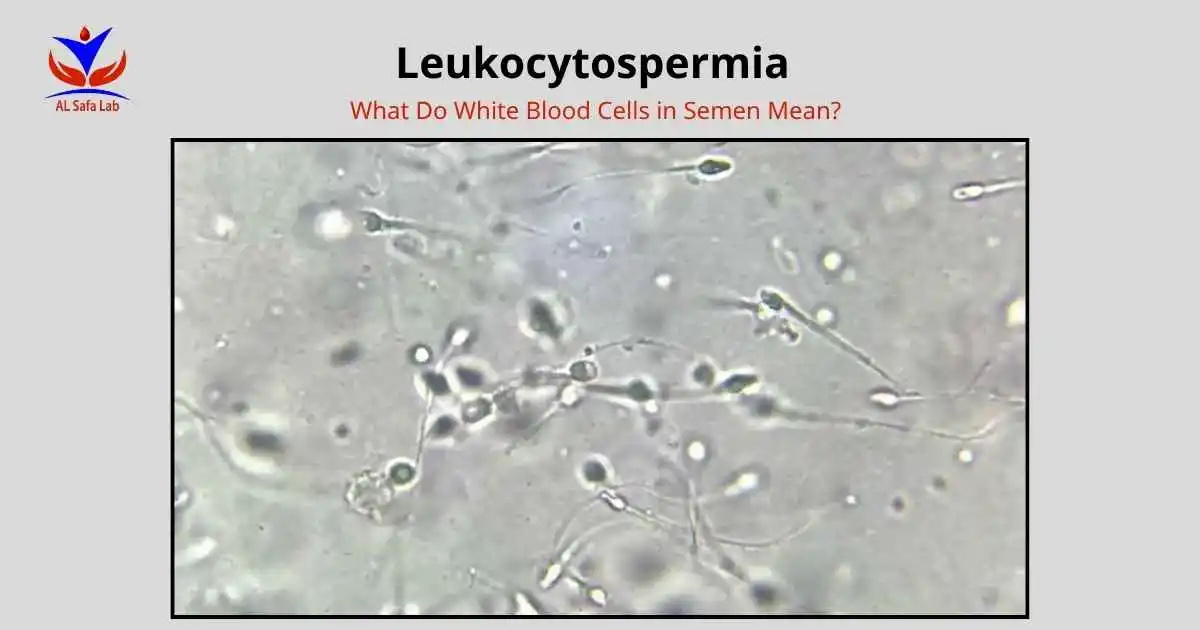
Leukocytospermia | What Do White Blood Cells in Semen Mean?
Leukocytospermia means an increased number of white blood cells in semen. These cells are part of the immune system and may appear in greater numbers when inflammation or another reproductive tract problem is present.
Their presence does not automatically mean infection or infertility, but they can provide useful information when interpreted with the rest of a semen assessment.
What Is Leukocytospermia?
White blood cells, also called leukocytes, can normally be present in semen in small numbers.
When their concentration becomes increased, the finding is known as leukocytospermia.
The cells most commonly involved are granulocytes, although semen may contain other types of white blood cells as well.
What Causes White Blood Cells in Semen?
There is not always one identifiable cause.
Possible associations include:
- Inflammation in the male reproductive tract.
- Prostate or accessory gland inflammation.
- Some genital or urinary infections.
- Certain sexually transmitted infections.
- Previous reproductive tract irritation or injury.
- Other inflammatory conditions.
In some men, elevated leukocytes may be found without a clearly identified infection.
Does Leukocytospermia Always Mean Infection?
No.
This is one of the most important points to understand.
White blood cells are part of the immune response, so they may increase during infection, but inflammation can occur without a bacterial infection.
For this reason, leukocytospermia alone cannot tell you whether bacteria are present.
If infection is suspected, a Semen Culture Test may be requested to investigate bacterial growth separately.
How Can Leukocytospermia Affect Sperm?
White blood cells can release substances involved in inflammation, including reactive oxygen species.
When present in excessive amounts, oxidative stress may affect sperm cells.
Possible effects may include:
- Reduced sperm motility.
- Damage to sperm membranes.
- Increased oxidative stress.
- Changes in sperm function.
- Possible effects on sperm DNA in some cases.
The degree of effect varies between individuals, and leukocytospermia does not automatically mean that sperm function is significantly impaired.
Can Leukocytospermia Affect Fertility?
It may contribute to fertility problems in some situations, particularly when increased leukocytes are associated with inflammation or oxidative stress.
However, fertility depends on many factors, including:
- Sperm concentration.
- Sperm motility.
- Sperm morphology.
- DNA integrity.
- Hormonal and genetic factors.
- Reproductive health of both partners.
For this reason, leukocytospermia should not be used as a stand-alone measure of fertility.
Are There Symptoms?
Leukocytospermia itself does not always cause noticeable symptoms.
When it is associated with inflammation or infection, some men may also experience symptoms such as:
- Discomfort or pain in the genital or pelvic area.
- Painful urination.
- Ejaculatory discomfort.
- Urinary symptoms.
- Other signs of reproductive tract inflammation.
Many people, however, discover the finding only during semen testing.
What Are Round Cells in Semen?
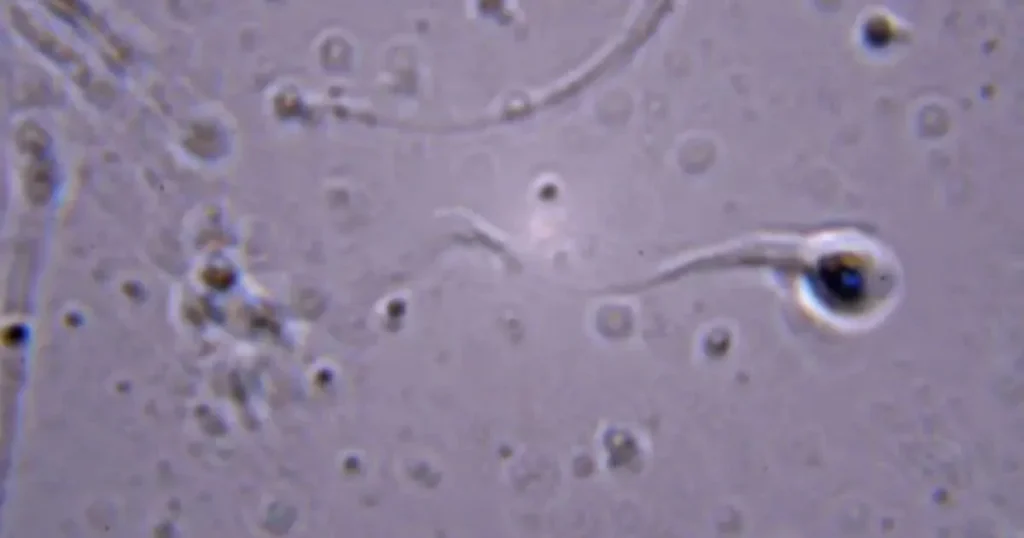
During microscopic examination, a semen sample may contain cells that appear round.
These round cells are not always white blood cells.
They may include:
- Leukocytes.
- Immature germ cells.
Because these cells can look similar, an additional laboratory method may be needed to determine whether the round cells are leukocytes.
How Is Leukocytospermia Confirmed?
- Laboratory testing can help determine whether increased round cells in semen are white blood cells.
- One commonly used approach is a peroxidase-based test, also known as the Endtz test, which identifies peroxidase-positive leukocytes.
- For sample requirements, preparation and practical test information, see our Peroxidase Test in Semen service page.
Is Leukocytospermia the Same as Bacteria in Semen?
No.
Leukocytospermia refers to increased white blood cells.
Bacteriospermia refers to the presence of bacteria in semen.
The two findings can occur together, but one does not automatically prove the other.
This is why leukocyte assessment and semen culture answer different clinical questions.
What Happens If Leukocytospermia Is Found?
The next step depends on the wider clinical picture.
Your doctor may consider:
- Other semen findings.
- Symptoms.
- Medical history.
- Signs of infection or inflammation.
- Whether additional microbiology testing is needed.
- Other fertility investigations.
Treatment should be directed at the underlying cause when one is identified rather than based only on the presence of white blood cells.
Can Leukocytospermia Be Treated?
Management depends on the cause:
- If a specific bacterial infection is identified, appropriate antimicrobial treatment may be considered by the treating doctor.
- When inflammation is present without a confirmed bacterial cause, management may be different.
- Because not every case has the same cause, treatment should not be started solely because white blood cells were seen in semen.
Leukocytospermia Is Only One Part of Semen Health
A complete fertility assessment may also consider:
- Sperm concentration.
- Motility.
- Morphology.
- Semen volume.
- Sperm DNA integrity.
- Hormonal function.
- Genetic factors.
- Medical and reproductive history.
If detailed sperm parameters need to be assessed, Computer-Assisted Semen Analysis (CASA) provides information about concentration, movement and other semen characteristics.
Need Further Investigation?
If your doctor has requested confirmation of white blood cells in semen, view sample and preparation details for our Peroxidase Test in Semen.
Call: 01030903637
Contact Al Safa Lab Via: WhatsApp
Frequently Asked Questions
What does leukocytospermia mean?
It means that the number of white blood cells in semen is increased.
Does leukocytospermia mean I have an infection?
No. Infection is one possible cause, but inflammation and other factors can also increase leukocytes.
Can leukocytospermia reduce sperm motility?
Increased leukocytes may contribute to oxidative stress and may affect sperm motility in some cases.
Are white blood cells and round cells in semen the same thing?
Not always. Round cells may be leukocytes or immature germ cells.
Can leukocytospermia affect fertility?
It may contribute to fertility problems in some situations, but the effect varies and should be interpreted with other semen and fertility findings.
How are white blood cells confirmed in semen?
Laboratory methods such as the peroxidase or Endtz test can help identify peroxidase-positive leukocytes.
Is leukocytospermia the same as bacteria in semen?
No. Leukocytospermia refers to white blood cells, while bacteria in semen are investigated separately.