HIV PCR Test | Window Period, Normal Range, And Results
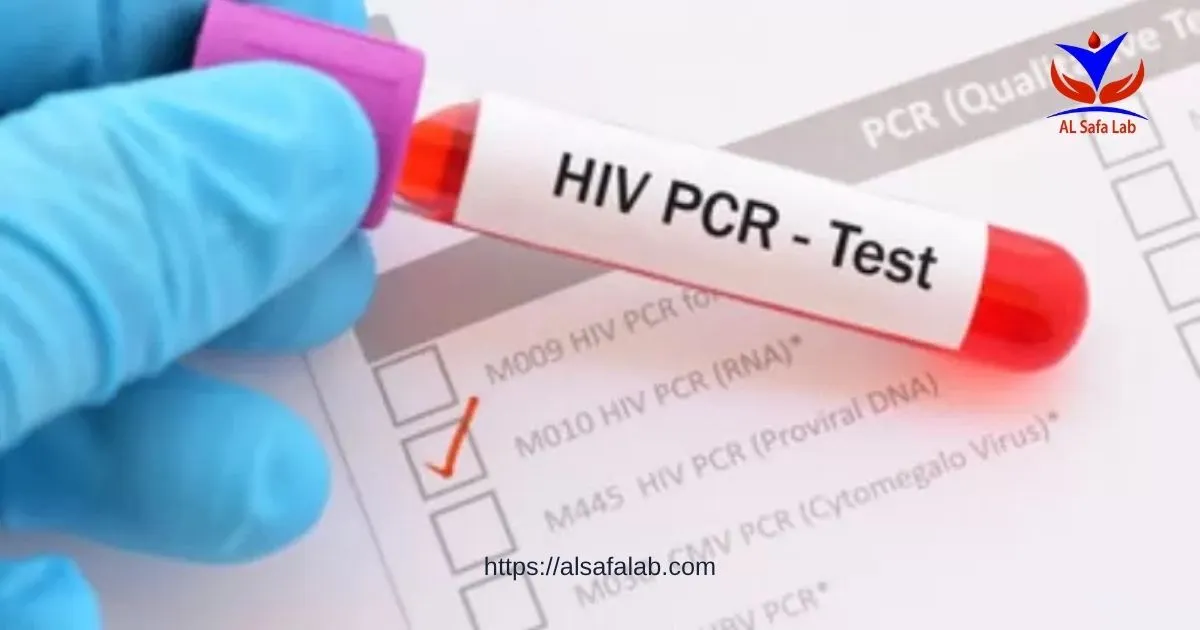
An HIV PCR test is a blood test that looks for the genetic material of HIV, usually HIV RNA. It may help detect HIV earlier than antibody-only tests in selected cases, especially after a recent possible exposure or when acute infection is suspected. This guide explains the HIV PCR test window period, how the sample is collected, how long results take, what “detected” and “not detected” mean, the normal range, price factors, and the difference between HIV PCR vs antibody testing.
HIV PCR Test at a Glance
| Point | Summary |
| Test name | HIV PCR test / HIV RNA PCR test / HIV NAT |
| Sample type | Blood sample, usually from a vein |
| What it detects | HIV genetic material, usually RNA |
| Common result format | Detected, not detected, or copies/mL |
| Normal result | Usually “not detected” or “undetected” |
| Result time | Varies by laboratory and test type |
| Main use | Early detection in selected cases, acute infection assessment, or viral load monitoring |
| Fasting needed? | Usually no fasting is required unless other tests are ordered |
What Is an HIV PCR Test?
An HIV PCR test is a laboratory test used to detect HIV genetic material in the blood. PCR stands for polymerase chain reaction, a laboratory method that can identify very small amounts of viral genetic material.
How Is the HIV PCR Test Sample Collected?
The HIV PCR test is usually performed on a blood sample taken from a vein. The process is similar to many routine blood tests.
During sample collection:
- Our healthcare professional cleans the skin.
- A small needle is inserted into a vein, usually in the arm.
- Blood is collected into a tube.
- The sample is labeled and sent to the laboratory.
- The laboratory checks the sample for HIV genetic material.
The test usually takes only a few minutes..
In most cases, fasting is not required before an HIV PCR test. However, if the laboratory orders other tests at the same time, you may receive specific preparation instructions.
How HIV Testing Works: Antigen vs PCR vs Antibody
To understand how HIV testing works antigen vs PCR, it helps to know what each test is looking for.
| Test type | What it detects | Main idea |
| HIV PCR / RNA test | HIV genetic material | Looks for the virus itself |
| HIV antigen test | A viral protein called p24 | Detects an early viral marker |
| HIV antibody test | Antibodies made by the immune system | Detects the body’s response |
| 4th generation HIV test | Antigen + antibodies | Combines early marker and immune response |
PCR testing may detect HIV earlier than antibody-only testing because it does not wait for the body to produce antibodies. However, no HIV test can detect infection immediately after exposure. Every HIV test has a window period.
HIV PCR Test Window Period
The HIV PCR test window period is the time between possible exposure to HIV and the point when the test can detect the virus reliably.
HIV RNA PCR or NAT testing may detect HIV earlier than antibody-only tests. In many cases, this type of test may begin detecting HIV around 10 to 33 days after exposure, but the exact timing can vary.
Several factors affect the window period:
- The type of exposure
- The amount of virus transmitted
- The person’s immune response
- Whether preventive medication was used
- The laboratory method
- The test’s detection limit
A simplified comparison:
| HIV test type | What it detects | General timing after exposure |
| HIV RNA PCR / NAT | HIV genetic material | Often earlier than antibody-only tests |
| 4th generation HIV test | p24 antigen + antibodies | Early to mid-window detection |
| Antibody-only test | HIV antibodies | Usually later than PCR or antigen testing |
A negative HIV PCR test is more meaningful when it is done at the right time. If the test is performed too early, repeat testing may be needed.
Can HIV PCR Detect HIV After 7, 10, 14, or 28 Days?
Many people search for an HIV PCR test after a specific number of days from a possible exposure. The timing matters.
| Time after possible exposure | How to understand the result |
| 7 days | Usually too early to rely on a negative result alone |
| 10 days | PCR may begin to be useful in some cases, but interpretation still matters |
| 14 days | More useful than very early testing, but not always final |
| 28 days | More reassuring if negative, especially with the right testing plan |
| Later follow-up | May still be recommended depending on test type and exposure risk |
An HIV PCR test can be helpful for early detection, but it should not be interpreted alone. A healthcare professional may recommend follow-up testing based on exposure timing, symptoms, and the exact test used.
HIV PCR Test Results Time
At Al Safa Medical Laboratories, HIV PCR test results are usually available within 3 days, with strict privacy and confidentiality maintained throughout the testing process. Patients can visit a branch or request a home visit for sample collection, where available.
For broader screening, Al Safa Lab offers the full STI screening, which includes HIV PCR or antibody testing, chlamydia and gonorrhoea screening, syphilis blood test, hepatitis B and hepatitis C testing, and herpes testing when indicated.
HIV PCR Test Result: Detected, Not Detected, and Copies/mL
An HIV PCR test result is usually reported in one of three main ways.
Detected
“Detected” means HIV genetic material was found in the blood sample. This result requires medical follow-up and confirmatory testing according to the correct diagnostic process.
Not Detected
“Not detected” means HIV genetic material was not found in the blood sample. This is reassuring, but it must be interpreted based on the timing of the test, the type of exposure, symptoms, and whether preventive medication was taken.
Copies/mL
If the report shows a number in copies/mL, the test is likely a quantitative PCR test or viral load test. This measures how much HIV RNA is present in the blood.
HIV PCR Test Normal Range
Many people search for HIV PCR test normal range, but HIV PCR is not interpreted like common blood tests such as glucose, cholesterol, or hemoglobin.
For a diagnostic HIV PCR test, the expected negative result is usually written as:
- Not detected
- Undetected
- HIV RNA not detected
- Below the limit of detection
For a HIV PCR Quantitative test, the result may appear as a number, often in copies/mL. In this case, interpretation depends on why the test was ordered.
| Result format | Possible meaning |
| Not detected | No HIV RNA found in the sample |
| Below detection limit | HIV RNA is not measurable by that test |
| Copies/mL number | Viral load is being measured |
| Detected but low | Needs professional interpretation |
The normal or expected result depends on whether the test is being used for diagnosis, early detection, or monitoring a person already diagnosed with HIV.
Related reading: sexually-transmitted-diseases-std-tests
HIV PCR Quantitative Test
A HIV PCR Quantitative test measures the amount of HIV RNA in the blood. It is often called an HIV viral load test.
This test is commonly used for people already diagnosed with HIV to monitor the amount of virus in the blood and assess treatment response.
| Test type | Main purpose |
| Qualitative HIV PCR | Detects whether HIV genetic material is present |
| Quantitative HIV PCR | Measures the amount of HIV RNA |
| HIV viral load | Reports the amount of virus, usually in copies/mL |
A quantitative result should not be interpreted without medical context. The same number may mean different things depending on whether the person is newly diagnosed, already on treatment, or being tested after possible exposure.
HIV PCR vs Antibody Test
The topic HIV PCR vs antibody is important because these tests do not detect the same thing.
| Feature | HIV PCR test | HIV antibody test |
| What it detects | HIV genetic material | Antibodies made by the immune system |
| Early detection | Usually earlier | Usually later |
| Common use | Early infection, viral load, special cases | Routine screening in many settings |
| Result format | Detected, not detected, or copies/mL | Reactive or non-reactive |
| Cost | Usually higher | Usually lower |
| Interpretation | Requires timing and clinical context | Also depends on window period |
PCR testing is not automatically better for every situation. It may be more useful for early detection, but antibody and antigen/antibody tests remain widely used for routine screening.
HIV PCR vs 4th Generation HIV Test
A 4th generation HIV test detects both p24 antigen and HIV antibodies. It is commonly used as a screening test because it combines early detection with antibody detection.
HIV PCR detects viral genetic material directly. This may make it useful when acute HIV infection is suspected or when a recent exposure needs earlier evaluation.
| Comparison | HIV PCR test | 4th generation HIV test |
| Detects | Viral RNA | Antigen + antibodies |
| Useful for | Early detection, viral load, special cases | Routine screening |
| Cost | Usually higher | Usually lower |
| Availability | May be less available | More widely available |
| Follow-up | May need confirmation | May need confirmation if reactive |
The best test depends on timing, risk, symptoms, and medical advice.
When Should You Consider an HIV PCR Test?
An HIV PCR test may be considered in situations such as:
- Recent high-risk exposure
- Symptoms suggestive of acute HIV infection
- A negative screening test but persistent clinical concern
- An unclear or conflicting HIV test result
- Monitoring viral load in someone diagnosed with HIV
- Testing infants in specific medical situations
For routine screening, a healthcare provider may recommend a different type of HIV test first. PCR is valuable, but it is not always the first test needed for every person.
Related reading:Ureaplasma Parvum PCR | Everything About Testing
Symptoms That May Lead to Early HIV Testing
Some people develop flu-like symptoms during early HIV infection. These symptoms can appear similar to many other viral illnesses, so they cannot diagnose HIV by themselves.
Possible symptoms include:
- Fever
- Sore throat
- Rash
- Swollen lymph nodes
- Fatigue
- Night sweats
- Muscle aches
- Mouth ulcers
If symptoms appear after a possible exposure, testing is the only reliable way to know your status.
Related reading: Does the VDRL Test Detect HIV? Medical Facts Explained
Can HIV PCR Be False Negative?
Yes, an HIV PCR test can be falsely negative if it is done too early or if the virus is not yet detectable in the blood.
Possible reasons include:
- Testing too soon after exposure
- Very low viral levels
- Preventive medication affecting viral replication
- Laboratory detection limits
- Sample handling issues
- Testing that does not match the clinical situation
A negative HIV PCR test is reassuring only when the timing is appropriate and the result is interpreted correctly.
Related reading: Confidential STD Testing in Egypt – Private STD Tests
Can HIV PCR Be False Positive?
False positive results are uncommon but possible with any laboratory test. A detected result should be evaluated by a healthcare professional and confirmed according to the correct testing process.
Do not rely on a single unexpected result without proper follow-up.
Does Preventive Medication Affect HIV PCR Testing?
Preventive medication taken before or after exposure may affect the timing and interpretation of HIV test results.
If you took any preventive medication, tell your healthcare provider before testing. You may need a specific testing schedule rather than a single test.
If the possible exposure happened within the last 72 hours, seek urgent medical advice immediately.
HIV PCR Test Price
The HIV PCR test price varies widely depending on the country, laboratory, test type, and whether the test is qualitative or quantitative.
Factors that may affect the price include:
- Private laboratory vs hospital
- Qualitative vs quantitative PCR
- HIV-1 only vs HIV-1/HIV-2 coverage
- Standard vs urgent result time
- Whether consultation is included
- Whether confirmatory testing is needed
- Insurance or public health coverage
Because prices change often, the safest approach is to contact the laboratory directly and ask for the exact test name, result time, and total cost.
Ready to Get Tested?
If you are looking for broader sexual health screening, you can book Our private STD Plus Package from Al Safa Lab, one of Egypt’s trusted laboratories for medical testing. This package can help you take a more complete step toward checking your sexual health, especially if you want confidential testing, professional sample collection, and clear result support.
Take control of your health and Book Now your confidential test Via Whatsapp.
What Happens During an HIV PCR Test?
The test usually requires a blood sample from a vein.
The process is simple:
- A healthcare worker cleans the skin.
- Blood is drawn from a vein.
- The sample is sent to the laboratory.
- The laboratory checks for HIV genetic material.
- The result is reported as detected, not detected, or as a viral load value.
You usually do not need to fast before an HIV PCR test unless the laboratory is performing other tests at the same time.
How to Prepare Before Taking an HIV PCR Test
Before taking the test, it is helpful to know:
- The date of possible exposure
- The type of exposure
- Whether protection was used
- Whether preventive medication was taken
- Whether you have symptoms
- Whether you previously tested for HIV
- The exact test name offered by the laboratory
This information helps the healthcare provider choose the right test and interpret the result correctly.
Common Mistakes About HIV PCR Testing
Avoid these common mistakes:
- Believing PCR can detect HIV immediately after exposure
- Treating a very early negative result as final
- Comparing PCR and antibody tests without considering timing
- Assuming “not detected” always means no further testing is needed
- Ignoring preventive medication history
- Choosing a test based only on price
- Interpreting copies/mL without medical guidance
Correct timing and professional interpretation are essential.
Who Should Speak to a Healthcare Provider?
You should speak to a healthcare provider if:
- The possible exposure was recent
- You are within the first 72 hours after exposure
- You have symptoms after possible exposure
- You took preventive medication
- Your result is detected or unclear
- You are unsure which HIV test to take
- You need help understanding the result
Early advice can help you choose the right next step and avoid unnecessary anxiety.
FAQ
What is an HIV PCR test?
An HIV PCR test is a blood test that detects HIV genetic material, usually HIV RNA. It may be used for early detection, special diagnostic situations, or viral load monitoring.
Is HIV RNA PCR test the same as HIV PCR test?
In many cases, yes. An HIV RNA PCR test is a type of HIV PCR test that looks for HIV RNA in the blood.
What is the HIV PCR test window period?
The HIV PCR test window period is the time between possible exposure and when the test can detect HIV. PCR may detect HIV earlier than antibody-only tests, but timing still matters.
How is the HIV PCR test sample collected?
The sample is usually collected from blood taken from a vein in the arm. The process is quick and usually does not require fasting.
How long does HIV PCR test result take?
HIV PCR test results are usually available within 3 days.
Can HIV PCR detect HIV after 7 days?
Seven days is usually too early to rely on a negative result alone. Repeat testing may be needed depending on exposure risk and medical advice.
Is HIV PCR accurate after 14 days?
It may be useful after 14 days in some cases, but the result should be interpreted with timing, risk, symptoms, and medical history in mind.
What does HIV RNA not detected mean?
“HIV RNA not detected” means the test did not find HIV RNA in the blood sample. This is reassuring, but it should be interpreted according to the timing of the test.
What is the HIV PCR test normal range?
For diagnostic HIV PCR, the expected negative result is usually “not detected” or “undetected.” For quantitative PCR, results may appear as copies/mL and need medical interpretation.
What is HIV PCR Quantitative test?
A HIV PCR Quantitative test measures the amount of HIV RNA in the blood. It is often used as a viral load test.
What is the difference between HIV PCR and antibody test?
HIV PCR detects genetic material from the virus. An antibody test detects antibodies produced by the immune system.
Is HIV PCR better than antibody testing?
Not always. PCR may detect earlier, but antibody or antigen/antibody tests are commonly used for routine screening. The best test depends on the situation.
What affects HIV PCR test price?
The HIV PCR test price depends on the laboratory, country, test type, result speed, and whether the test is qualitative or quantitative.
Do I need another test after HIV PCR?
You may need repeat or confirmatory testing depending on timing, exposure risk, symptoms, and the result.