Can HPV Be Cured in Women? Symptoms, Testing And Treatment
What Is HPV?
HPV stands for Human Papillomavirus. It is a group of viruses that can spread through intimate skin-to-skin contact, including vaginal, anal, or oral sex.
HPV is very common. Many women may have it without knowing because the infection can stay silent and clear naturally. The main concern is persistent high-risk HPV, which may lead to abnormal cervical cell changes over time.
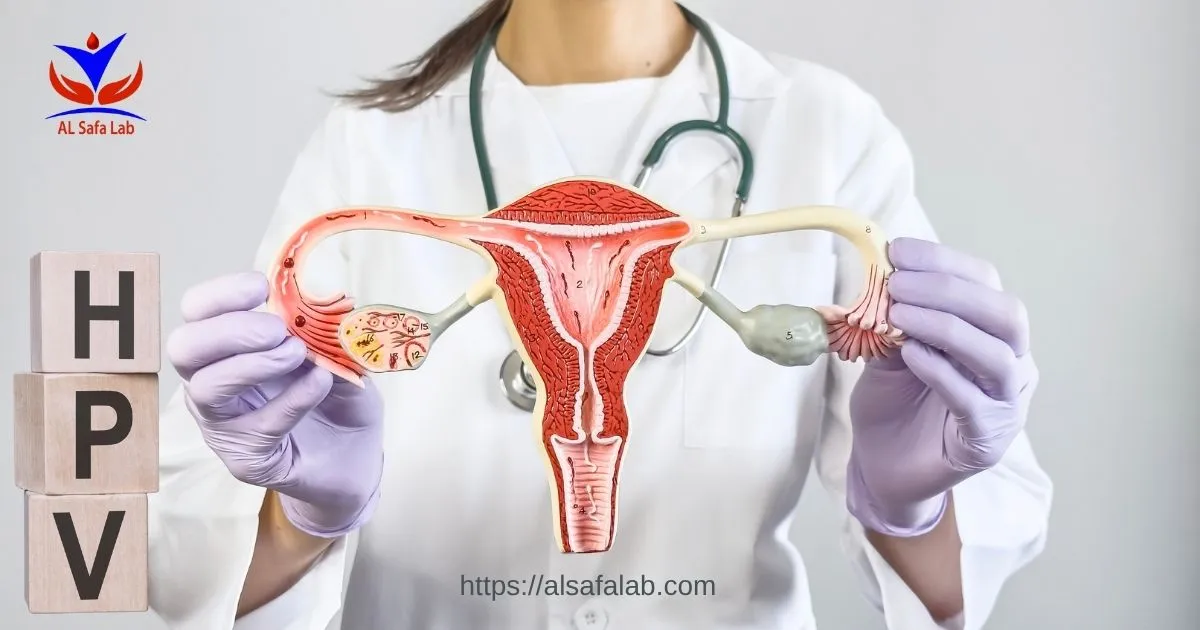
 Can HPV Be Cured in Women[/caption]
Can HPV Be Cured in Women?
The most accurate answer is: HPV can often clear naturally, but there is no direct cure that removes the virus immediately from the body.
In many women, the immune system controls the infection until it becomes undetectable. If HPV causes genital warts or cervical changes, these conditions can be treated, but treatment does not directly “kill” the virus.
This means:
- HPV may go away naturally.
- High-risk HPV needs monitoring.
- Genital warts can be treated.
- Abnormal cervical cells can be managed.
- Testing is the safest way to know your current status.
Low-Risk HPV vs High-Risk HPV
HPV types are usually divided into low-risk and high-risk types.
Low-Risk HPV
Low-risk HPV may cause genital warts or mild skin changes. These types are not usually linked to cancer, but they may still need treatment if symptoms appear.
High-Risk HPV
High-risk HPV is more important medically because persistent infection can increase the risk of cervical cancer. HPV 16 and HPV 18 are among the most significant high-risk types.
High-risk HPV may be linked to:
- Cervical cancer
- Vaginal cancer
- Vulvar cancer
- Anal cancer
- Some throat cancers
Having high-risk HPV does not mean you have cancer. It means follow-up is important.
Does HPV Go Away on Its Own?
Yes. In many cases, HPV goes away on its own within months to a couple of years. A healthy immune system often controls the infection without treatment.
HPV is more likely to persist when the immune system is weakened, smoking is present, or follow-up screening is missed. Persistent high-risk HPV is the reason regular screening matters.
HPV Symptoms in Women
HPV symptoms in women may not appear at all. Many women only discover the infection after an HPV test, Pap smear, or cervical screening.
When symptoms occur, they may include:
- Genital warts
- Small bumps around the vulva, vagina, cervix, or anus
- Itching or irritation
- Burning or discomfort
- Abnormal cervical cell changes found during screening
High-risk HPV usually does not cause visible symptoms early. That is why relying on symptoms alone is not enough.
How Is HPV Diagnosed in Women?
HPV diagnosis depends on the reason for testing, symptoms, age, and medical history. The most common methods include clinical examination, Pap smear, HPV testing, and HPV PCR testing.
Clinical Examination
If genital warts are visible, a doctor may recognize them during examination. Warts may appear as small raised bumps, flat lesions, or cauliflower-like growths.
Pap Smear
A Pap smear checks cervical cells for abnormal changes. It does not directly detect the HPV virus, but it helps identify early cell changes that may need follow-up.
HPV Test for Women
An HPV test for women detects high-risk HPV types in cervical samples. It is commonly used as part of cervical cancer screening, especially for women aged 30 and above depending on medical guidelines and doctor advice.
HPV PCR Test
An HPV PCR test detects HPV DNA using molecular testing. It is highly sensitive and can help identify high-risk HPV infection, including types linked to cervical cancer risk.
An HPV PCR test may be useful if you:
- Need high-risk HPV screening
- Had an abnormal Pap smear
- Were advised by a gynecologist
- Need follow-up after previous HPV infection
- Want confidential HPV testing
- Have concerns after sexual exposure
HPV PCR Test vs Pap Smear
HPV PCR and Pap smear are different tests, and each answers a different question.
Test | What It Detects | Why It Matters |
Pap smear | Abnormal cervical cells | Helps detect early cell changes |
HPV PCR test | HPV DNA | Helps detect high-risk HPV infection |
Co-testing | Pap smear + HPV test | Gives broader screening information |
A positive HPV PCR result does not mean cancer. It means HPV DNA was detected and medical follow-up may be needed.
What Does a Positive HPV Test Mean?
A positive HPV test means HPV was found in the tested sample. This result should not cause panic.
Many HPV infections clear naturally. The concern is persistent high-risk HPV, especially if it appears with abnormal Pap smear results.
After a positive result, your doctor may recommend:
- Repeat HPV testing
- Pap smear
- Co-testing
- Colposcopy
- Follow-up after a specific period
- Treatment if abnormal cells are found
The next step depends on your age, HPV type, Pap smear result, and medical history.
Can HPV Be Treated in Women?
There is no direct medicine that cures HPV itself, but HPV-related conditions can be treated.
Treatment may include:
- Topical treatment for genital warts
- Cryotherapy
- Laser treatment
- Removal of abnormal cervical cells
- Follow-up screening
- Colposcopy when needed
The right treatment depends on whether HPV caused warts, abnormal cells, or precancerous changes.
Can HPV Affect Pregnancy?
Most women with HPV can become pregnant and have a normal pregnancy. HPV usually does not prevent pregnancy.
However, if you have genital warts, abnormal cervical results, or high-risk HPV, tell your doctor. Some treatments may need to be delayed or adjusted during pregnancy.
Do not start any treatment while pregnant without medical advice.
How Can Women Reduce HPV-Related Risks?
You cannot always prevent HPV completely, but you can reduce risk and detect problems early.
Helpful steps include:
- Get the HPV vaccine if recommended.
- Keep up with Pap smear or HPV screening.
- Use protection during sexual activity.
- Avoid smoking.
- Support your immune system with healthy habits.
- Follow your doctor’s advice after abnormal results.
- Do not ignore genital warts or unusual symptoms.
Screening is especially important because high-risk HPV may not cause symptoms before cervical changes develop.
You might also be interested in: Sexually Transmitted Diseases (STD) Tests
When Should You Book an HPV PCR Test?
You should consider booking an HPV PCR test if you need high-risk HPV screening or if your doctor recommends it.
Book a test if you:
- Had an abnormal Pap smear
- Need follow-up after previous HPV infection
- Are concerned about high-risk HPV
- Have genital warts or suspicious symptoms
- Want confidential HPV testing
- Need a clear result before medical follow-up
- Want to combine HPV testing with broader STD screening
If you are unsure which test you need, ask the lab or your doctor whether HPV PCR, Pap smear, or both are suitable for your case.
Why Choose Al Safa Lab for HPV Testing?
Al Safa Lab provides confidential and professional HPV testing for women who need clear answers and reliable sample handling.
- Confidential results
Your privacy is respected from booking to result delivery. - HPV PCR testing available
The test helps detect HPV DNA using molecular technology. - Clear reporting
Results are handled professionally so you can discuss the next step with your doctor. - Suitable for high-risk HPV screening
HPV PCR testing can help identify types linked to cervical cancer risk. - Easy booking
You can ask about preparation, sample type, turnaround time, and available collection options. - Home sample collection availability
Ask Al Safa Lab whether free home sample collection is suitable for your requested test. - Option to combine with STD screening
If your concern includes other infections, you can ask about broader sexual health packages.
Related Tests at Al Safa Lab
Depending on your symptoms, exposure history, or doctor’s advice, you may also ask about:
- Pap Smear
- STD Plus Package
- HIV Test
- Gonorrhea and Chlamydia Test
- Hepatitis B Test
- Hepatitis C Test
- VDRL Test for Syphilis
A healthcare professional can help you choose the most suitable test or package.
Frequently Asked Questions
Can HPV be cured in women?
In many women, HPV clears naturally through the immune system. There is no medicine that directly kills HPV, but genital warts and abnormal cervical changes can be treated.
Does HPV go away on its own?
Yes. HPV often clears naturally within months to a couple of years. Persistent high-risk HPV needs follow-up because it may cause cervical cell changes over time.
What are the symptoms of HPV in women?
HPV may cause no symptoms. When symptoms appear, they may include genital warts, itching, irritation, burning, or abnormal cervical changes found during screening.
What is the best test for HPV in women?
An HPV test or HPV PCR test can detect high-risk HPV DNA. A Pap smear checks for abnormal cervical cells. Your doctor may recommend one or both.
Is HPV PCR test accurate?
Yes. HPV PCR testing is highly sensitive because it detects HPV DNA using molecular technology. It is useful for high-risk HPV screening and follow-up.
Does a positive HPV test mean cancer?
No. A positive HPV test means HPV DNA was detected. It does not mean cancer, but high-risk HPV may require monitoring or further cervical screening.
Can HPV come back after clearing?
HPV may become undetectable and later appear again in some cases. Regular follow-up helps monitor risk, especially with high-risk HPV.
Can women get pregnant with HPV?
Yes. Most women with HPV can become pregnant normally. If you have genital warts or abnormal cervical results, follow your doctor’s advice during pregnancy.
Can HPV be treated permanently?
There is no direct cure for the virus itself. However, HPV-related conditions such as genital warts or abnormal cervical cells can be treated.
When should I book an HPV PCR test?
Book an HPV PCR test if your doctor recommends it, if you have an abnormal Pap smear, need high-risk HPV screening, have symptoms, or want confidential HPV testing.