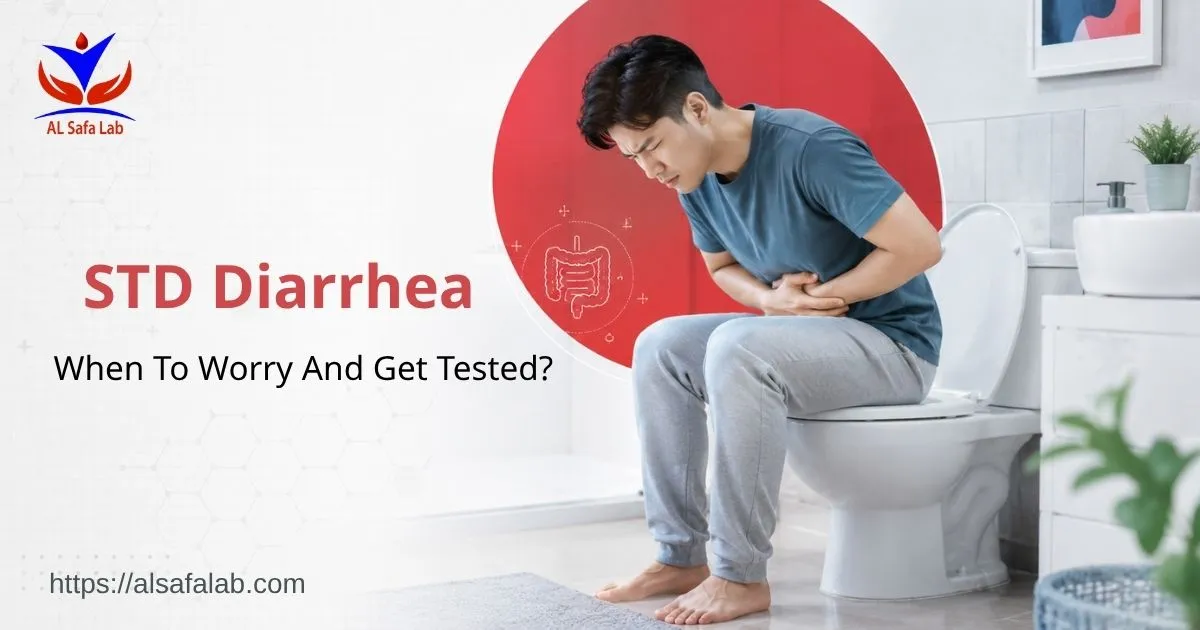
STD Diarrhea | Can an STD Cause Diarrhea?
What Is Diarrhea?
Diarrhea means passing loose, watery, or more frequent stools than usual. It may happen suddenly and last a few days, or it may continue for longer depending on the cause.
Common causes include viral infections, contaminated food, antibiotics, digestive disorders, and stress. However, diarrhea may need extra attention when it happens with symptoms such as rectal pain, anal discharge, fever, abdominal cramps, blood in stool, swollen lymph nodes, genital sores, burning urination, or unusual discharge.
When STD Diarrhea appears after sexual exposure, especially after anal contact, it may be related to infection or inflammation in the rectum or lower bowel.
Can an STD Cause Diarrhea?
Yes. Some sexually transmitted infections can cause diarrhea, especially when they affect the rectum or lower digestive tract. This may happen through receptive anal sex, oral-anal contact, or direct exposure to infected fluids or sores.
STD-related diarrhea is more likely when it comes with rectal symptoms, such as:
- Pain during bowel movements
- Rectal bleeding
- Mucus in stool
- Anal itching
- Rectal discharge
- Lower abdominal cramps
- A feeling of needing to pass stool even when the bowel is empty
- Fever or flu-like symptoms after sexual exposure
Not every person with an STI has obvious symptoms. Some infections remain silent for weeks or months, which is why testing matters even when symptoms are mild.
What STD Cause Diarrhea?
Several infections may be linked to diarrhea or rectal inflammation. The most relevant possibilities include:
1. Chlamydia
Chlamydia can infect the rectum after anal sex. Rectal chlamydia may cause pain, discharge, bleeding, or diarrhea-like symptoms. Many people do not notice symptoms at all, so testing is important after possible exposure.
A specific type of chlamydia called LGV can cause more severe rectal inflammation, pain, bleeding, and bowel symptoms. It needs proper diagnosis and treatment.
Feel more reassured with: Chlamydia Trachomatis PCR Test | Accuracy, Sample & Results
2. Gonorrhea
Gonorrhea can affect the genitals, throat, or rectum. Rectal gonorrhea may cause anal discomfort, discharge, bleeding, painful bowel movements, and sometimes diarrhea. It may also be present without clear warning signs.
Because gonorrhea and chlamydia often overlap in symptoms, lab testing helps identify the exact infection and guide treatment.
3. Herpes
Genital herpes can affect the anal area and may cause painful sores, burning, itching, rectal pain, and discomfort during bowel movements. Some people may also feel feverish or unwell during a first outbreak.
Herpes does not usually cause diarrhea directly in every case, but anal inflammation and pain may make bowel movements feel abnormal.
4. Syphilis
Syphilis can cause sores around the genitals, mouth, or anus. These sores may be painless, which makes them easy to miss. When syphilis affects the anal area, it may be confused with other causes of rectal irritation.
Because syphilis can progress silently, blood testing is essential if there has been risky exposure.
5. HIV
HIV diarrhea can happen at different stages. During early HIV infection, some people develop flu-like symptoms that may include fever, swollen glands, sore throat, rash, fatigue, and diarrhea. In later untreated HIV, diarrhea may also occur because the immune system becomes weaker and more vulnerable to other infections.
Diarrhea alone does not mean you have HIV. But if diarrhea appears after high-risk exposure, especially with fever, rash, night sweats, swollen lymph nodes, or unexplained weight loss, HIV testing should not be delayed.
6. Sexually Transmitted Intestinal Infections
Some intestinal infections can spread through sexual contact, especially oral-anal contact. These may cause diarrhea, cramps, nausea, fever, and dehydration. Although they are not always classified as classic STDs, they can still be transmitted during sexual activity.
This is why a full sexual health assessment is important when diarrhea appears after recent exposure.
When Should You Suspect STD Diarrhea?
You should consider STD testing if diarrhea appears within days or weeks after sexual contact and is accompanied by any of the following:
- Unprotected vaginal, oral, or anal sex
- A new or multiple sexual partners
- A partner with symptoms or unknown STI status
- Anal pain, itching, discharge, or bleeding
- Genital sores, ulcers, bumps, or rash
- Burning during urination
- Unusual vaginal or penile discharge
- Fever, fatigue, sore throat, or swollen glands
- Persistent diarrhea that does not improve
- Blood or mucus in stool
The keyword here is context. Diarrhea by itself is common. Diarrhea after sexual exposure with other genital, rectal, or flu-like symptoms deserves testing.
You might also be interested in: Sexually Transmitted Diseases (STD) Tests
Is Diarrhea an Early Sign of HIV?
Diarrhea can be one of the symptoms seen during early HIV infection, but it is not specific to HIV. Early HIV symptoms can look like many common viral illnesses. This may include fever, fatigue, sore throat, swollen lymph nodes, rash, muscle aches, and sometimes diarrhea.
The only way to confirm or rule out HIV is through testing at the right time after exposure. If your exposure was recent, you may need an initial test and a follow-up test depending on the type of HIV test used and the timing.
When Is Diarrhea Not Likely to Be STD-Related?
Diarrhea is less likely to be caused by an STD when it starts after spoiled food, affects several people who ate the same meal, comes with vomiting, or improves within a short time without any sexual-risk context.
Other non-STD causes may include:
- Food poisoning
- Viral gastroenteritis
- Antibiotic use
- Lactose intolerance
- Irritable bowel syndrome
- Inflammatory bowel disease
- Stress or anxiety
- Certain supplements or medications
Still, if you have any doubt after sexual exposure, testing gives peace of mind and protects your partner.
Why Testing Matters
Symptoms can be misleading. Some STDs cause obvious discomfort, while others stay silent. Waiting for symptoms to become severe may increase the risk of complications and transmission.
A complete STD test helps detect infections early, supports faster treatment, and gives you clarity instead of guessing based on symptoms.
Testing is especially important because chlamydia, gonorrhea, syphilis, and HIV can all require different test types and different medical management. Self-diagnosis is not reliable.

Book the STD Plus Lab Package
If you have diarrhea after sexual exposure, rectal discomfort, unusual discharge, sores, burning urination, or flu-like symptoms, the STD Plus Lab Package is the right step toward clarity.
This package is designed for people who want a broader sexual health check instead of testing for only one infection. It helps you screen for key sexually transmitted infections in one organized visit, with professional handling and confidential results.
Why Choose Al Safa Lab for STD Testing?
- Confidential and discreet testing: Your privacy is fully respected from sample collection to result delivery.
- STD Plus Lab Package in one visit: Screen for multiple sexually transmitted infections through one organized package instead of booking separate tests.
- Reliable lab testing for clearer answers: Get accurate results that help you understand your health status and take the right next step.
- Suitable after risky exposure: Ideal after unprotected sex, condom failure, anal contact, or exposure to a partner with unknown STD status.
- Helpful when symptoms are unclear: Recommended if you have diarrhea after sexual exposure, rectal discomfort, unusual discharge, burning urination, sores, fever, or flu-like symptoms.
- Professional and judgment-free experience: Testing is handled respectfully, so you can check your sexual health without embarrassment.
- Supports early detection and treatment: Early testing can help reduce complications and lower the risk of passing an infection to your partner.
- Clear next-step guidance: If a result needs attention, you can follow the right medical direction instead of guessing based on symptoms.
Book your STD Test today and get clear, confidential result
What to Do Before Your Test
Before your appointment, avoid taking antibiotics unless prescribed by a doctor, because they may affect some test results. Try to remember the date of possible exposure, the type of contact, and when your symptoms started. This information helps the healthcare provider choose the most appropriate tests.
If you have severe dehydration, high fever, intense abdominal pain, black stool, blood in stool, or persistent vomiting, seek urgent medical care.
Frequently Asked Questions
Can std diarrhea happen without genital symptoms?
Yes. Some rectal or intestinal infections linked to sexual exposure may cause bowel symptoms without obvious genital signs. However, diarrhea alone does not confirm an STD.
Can an STD affect your bowels?
Yes. Some STDs can affect the rectum or lower bowel, especially after anal sex or oral-anal contact. This may cause diarrhea, cramps, rectal pain, mucus, bleeding, or anal discharge.
What STD causes diarrhea in women?
In women, diarrhea after sexual exposure may be related to rectal chlamydia, gonorrhea, HIV, or intestinal infections spread through sexual contact. Testing is recommended if symptoms appear after risky exposure.
How long does STD diarrhea last?
STD diarrhea may last a few days or continue longer if the infection is not treated. If diarrhea happens after sexual exposure or comes with rectal pain, discharge, fever, or bleeding, book an STD test.
Is diarrhea a symptom of syphilis?
Diarrhea is not a typical symptom of syphilis. Syphilis more often causes sores, rash, and swollen lymph nodes. However, anal or rectal syphilis may cause discomfort that can be confused with bowel symptoms.
What STD cause diarrhea most commonly?
Rectal chlamydia, rectal gonorrhea, and infections causing proctitis or proctocolitis may be associated with diarrhea-like symptoms. HIV may also cause diarrhea in some cases, especially with other systemic symptoms.
Should I test if diarrhea is my only symptom?
If you had recent unprotected sex, anal sex, oral-anal contact, or a partner with unknown STI status, testing is a smart decision even if diarrhea is the only symptom.
Can antibiotics cure STD diarrhea?
Only some bacterial STDs respond to antibiotics, and the correct medicine depends on the exact infection. Do not self-medicate. Testing should guide treatment.
Can I have sex while waiting for results?
It is better to avoid sexual contact or use protection until your results are available and any needed treatment is completed. This helps reduce the chance of passing an infection to someone else.